
Last updated November 4, 2026
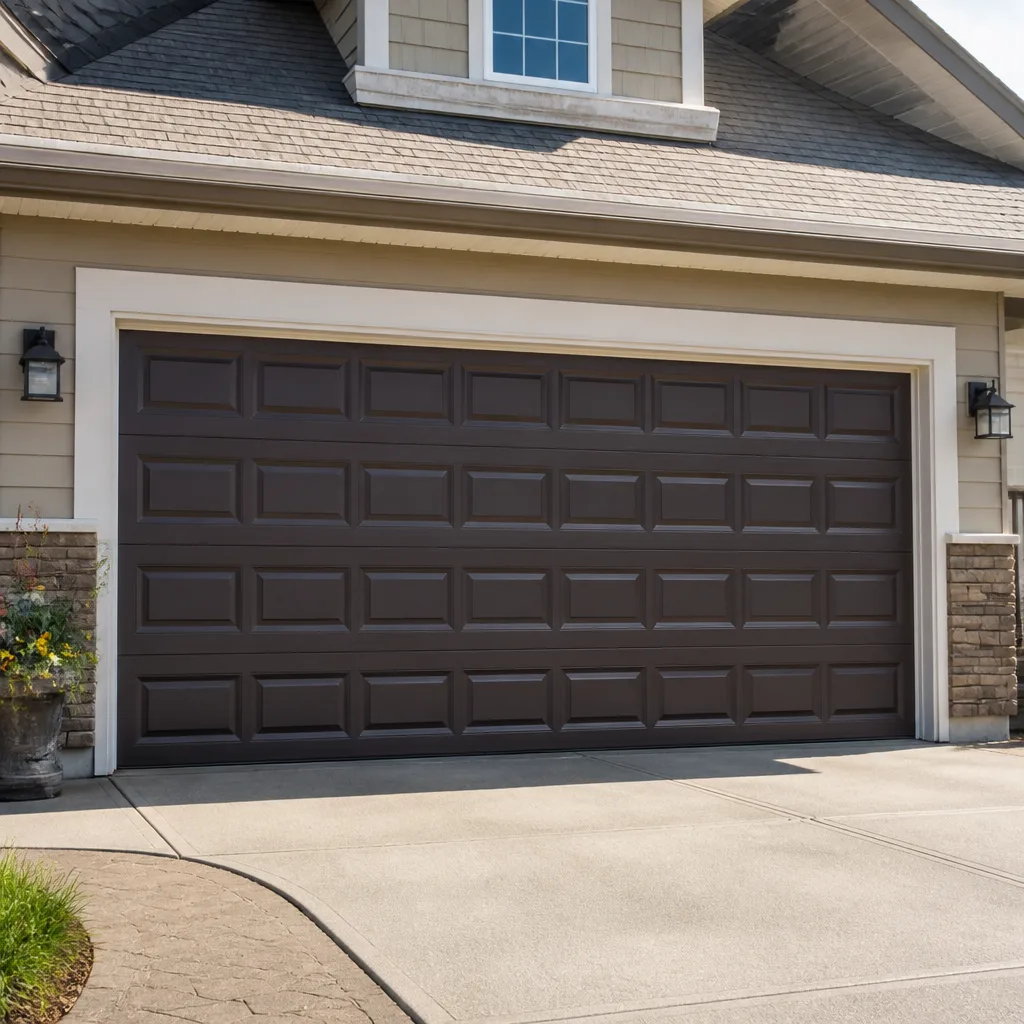 Raised-panel steel
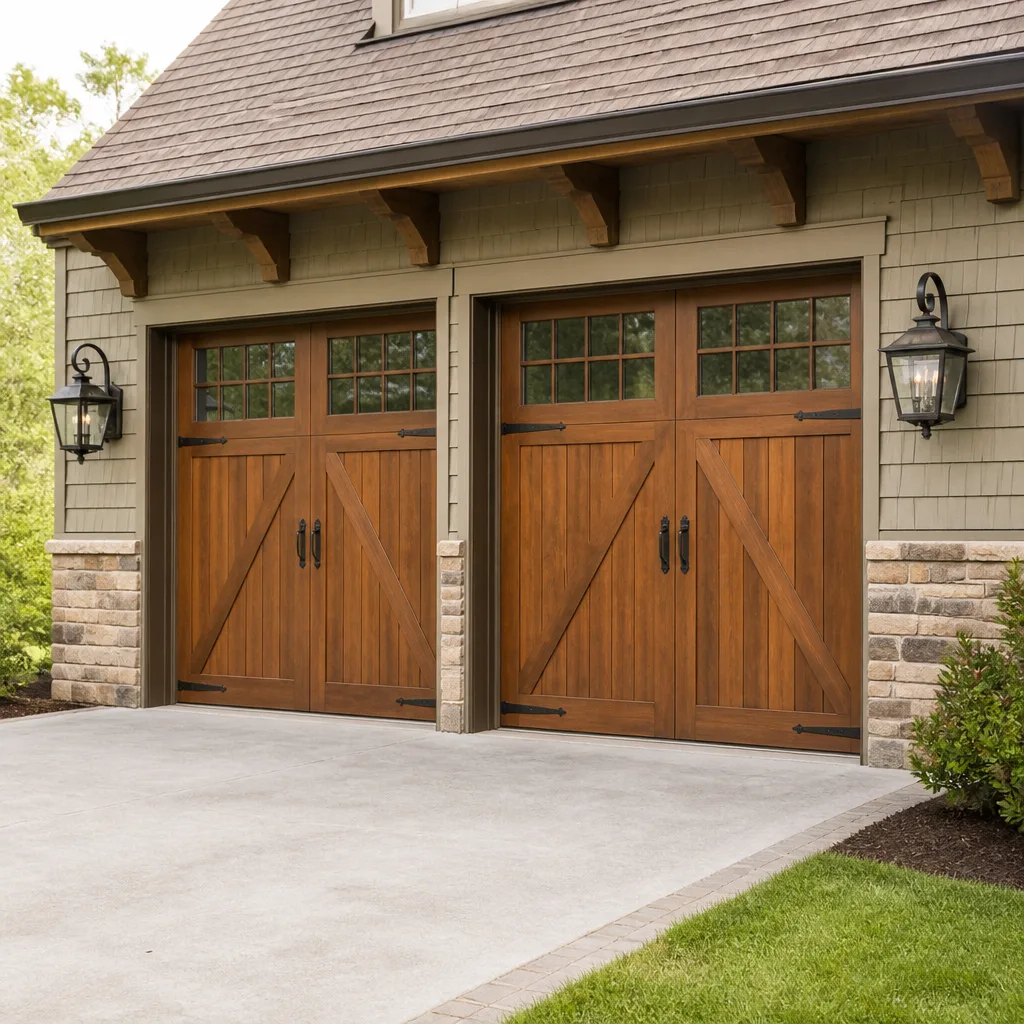 Carriage house
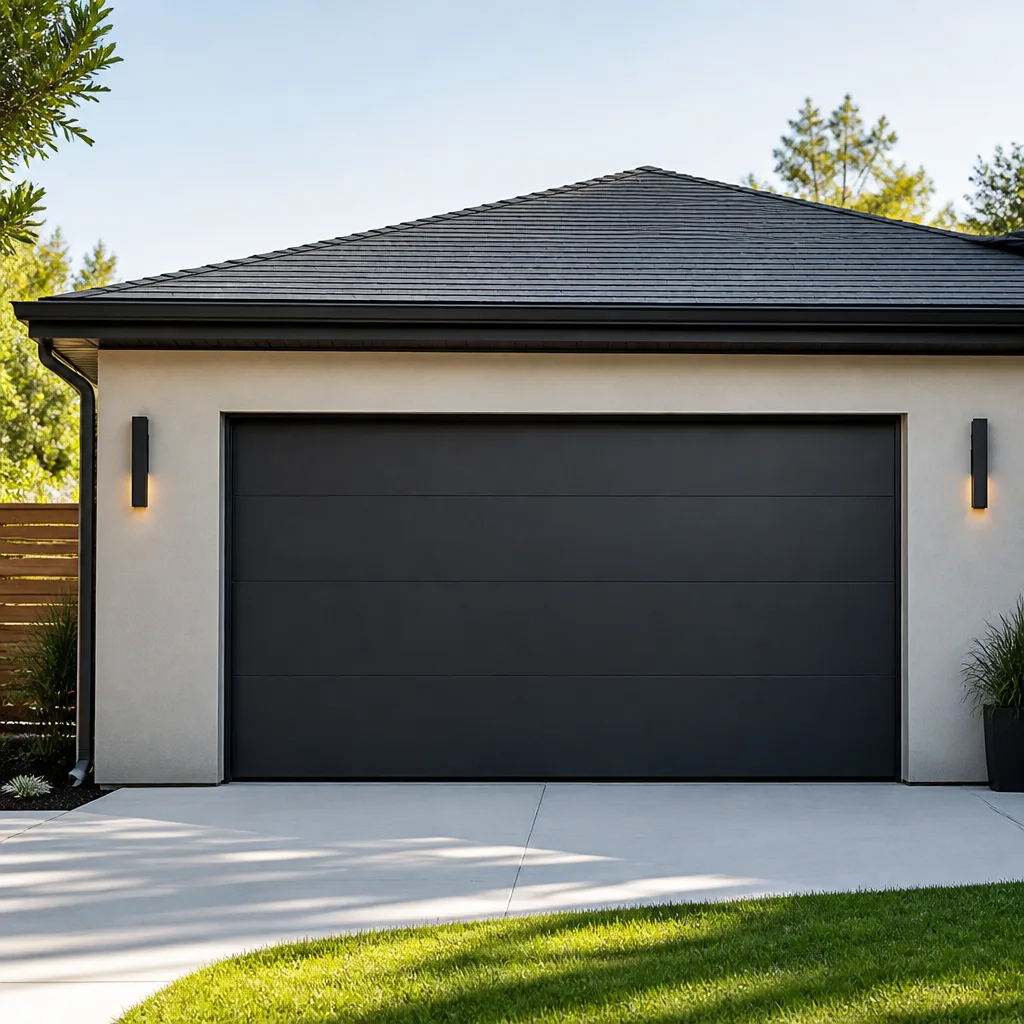 Modern flush
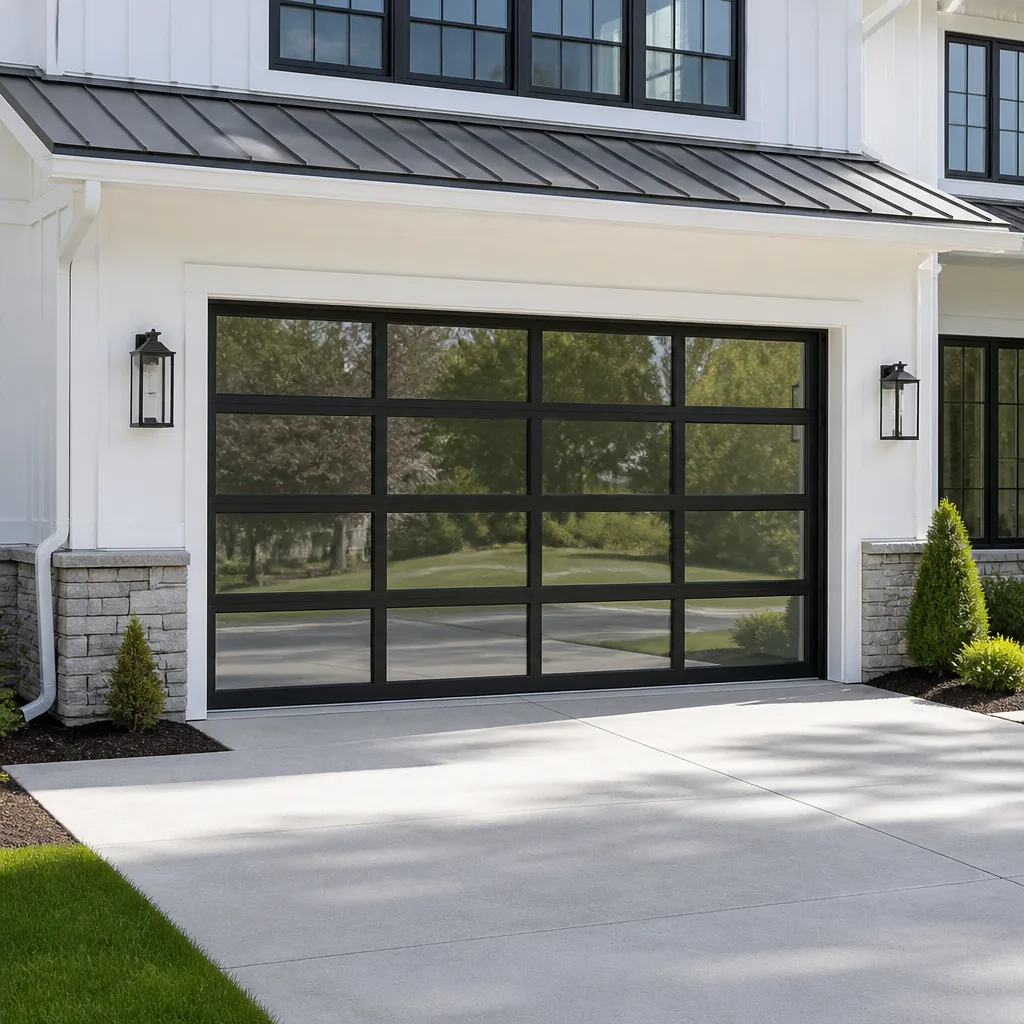 Full-view glass
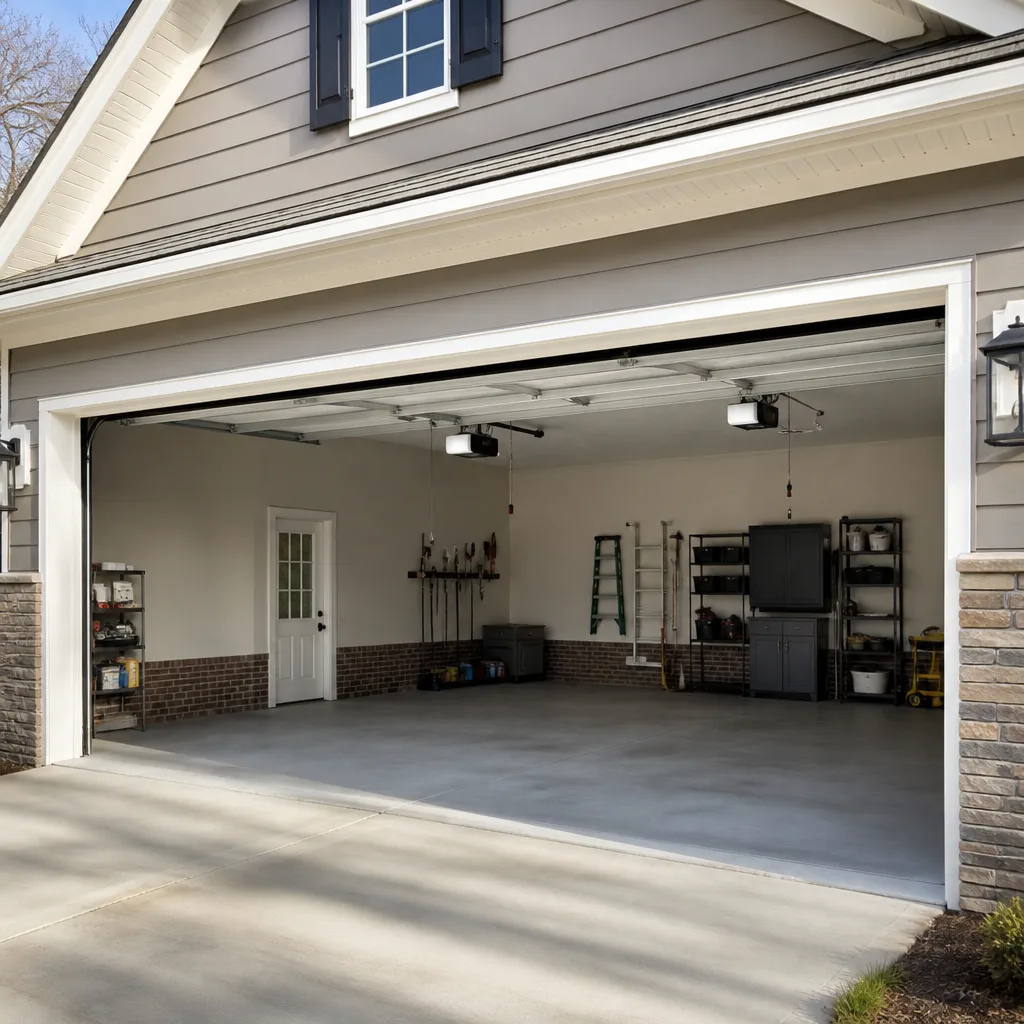 LiftMaster openers
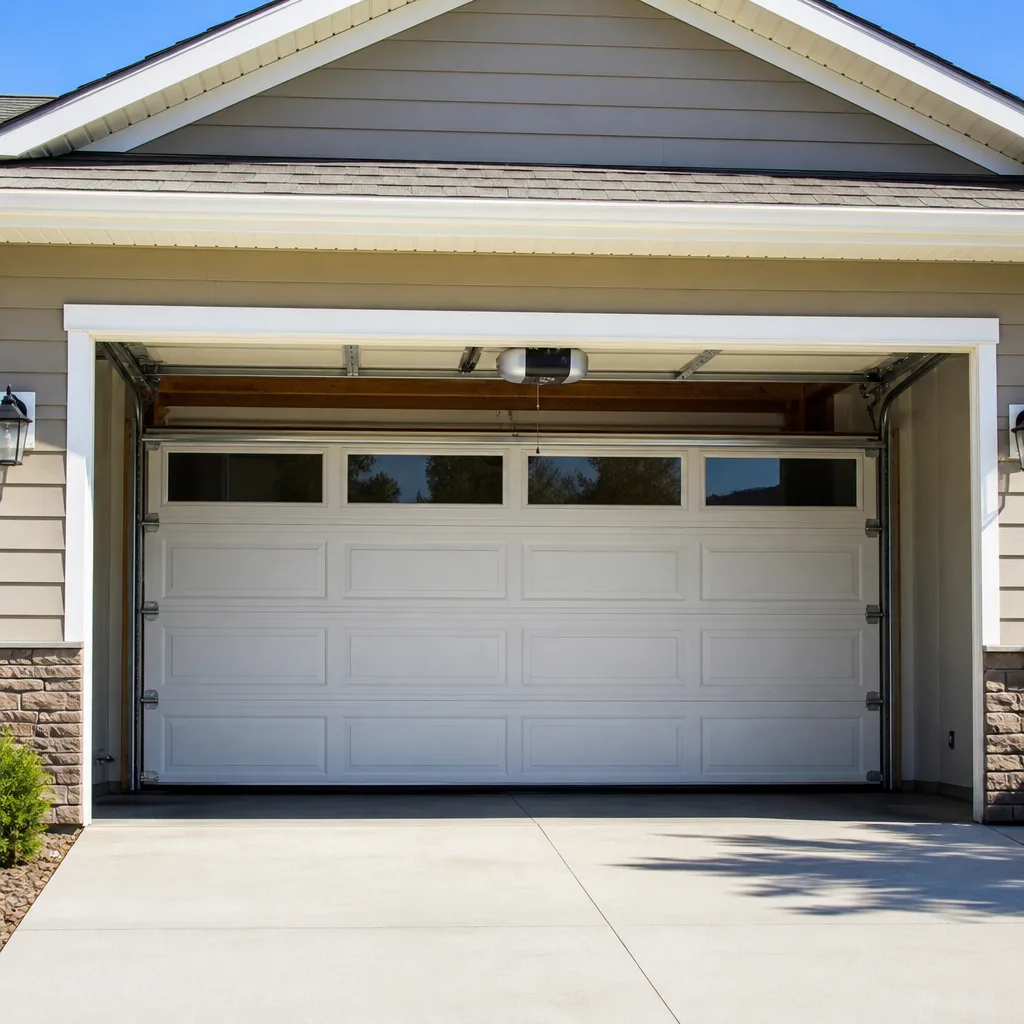 Chamberlain openers
Full 25-point door and opener safety check with every visit - springs, cables, rollers, tracks, and your LiftMaster or Chamberlain opener included
You get a price before we start. It does not change when the truck arrives.
Get your free estimateChoosing the Right Garage Door Brand: A Buyer’s Guide for Highland
A solid wood garage door that photographs beautifully in a showroom can warp, crack, and require annual refinishing within three years on a west-facing Highland driveway. Brand prestige doesn’t survive direct sun at 110°F. What does survive is the right combination of steel gauge, insulation core, and a warranty that actually pays when the Inland Empire heat does its worst. This guide breaks down the brands most commonly installed in Highland through the lens of thermal performance, UV tolerance, and long-term serviceability, not marketing brochures. You’ll learn which materials handle Highland summers, which warranties carry real weight, and which brands keep parts available a decade down the road.
Styles & brands we work with
- Raised-panel steel
- Carriage house
- Modern flush
- Full-view glass
- LiftMaster openers
- Chamberlain openers
Quick Answer
The best garage door brand for a Highland home depends on sun exposure, insulation needs, and how long you plan to stay. For most Highland properties, a steel door with a polyurethane insulation core from Clopay, Amarr, or Wayne Dalton in the 16 to 18 R-value range offers the strongest balance of heat resistance, durability, and warranty coverage. Real wood doors from any brand require a maintenance commitment that many Inland Empire homeowners abandon by year three.
Table of Contents
- How Insulation Works in a Highland Garage Door
- Material Durability Rankings for Highland’s UV Exposure
- Warranty Fine Print: What Actually Gets Covered
- Matching Brands to Highland Architectural Styles
- Parts Availability and the 10-Year Repair Question
- Opener Compatibility: What Works With What
- Steel vs. Wood Composite: The Real Numbers
- Common Mistakes to Avoid
- When to Call a Professional
- Frequently Asked Questions
- The Bottom Line
How Insulation Works in a Highland Garage Door
A garage door is not a wall. Your home’s walls carry insulation batts in a cavity that’s sealed on both sides. A garage door carries insulation inside its own structure, which means the insulating material only performs as well as the design around it. Thermal bridging, where heat conducts through the metal skin, frame, and hardware, can erase much of the R-value printed on the label. In Highland, this matters more than in coastal California because the real-world temperature difference between your sun-baked door face and your garage interior can exceed 40 degrees on an August afternoon.
Here’s what the R-value numbers actually mean for the brands you’ll encounter in Highland:
| Insulation Type | Typical R-Value Range | Common Brands | Highland Performance Notes |
|---|---|---|---|
| Polystyrene (foam board) | 6.5 to 9.0 | Clopay, Wayne Dalton, Amarr | Acceptable for detached garages; heat still transfers at panel seams |
| Polyurethane (injected foam) | 13.0 to 18.4 | Clopay, Amarr, Raynor | Bonds to steel skin, reduces thermal bridging; best for attached garages in Highland |
| Uninsulated steel | 0 to 2.0 | Wayne Dalton, Amarr | Poor choice for any Highland garage used as a workspace or attached to the house |
Polyurethane costs more at installation. On an attached garage in Highland, where the garage shares a wall with your living space, that premium typically pays for itself in the first three to five summers. The reason is simple: injected polyurethane expands inside the panel and adheres to both steel skins, creating a structural sandwich that minimizes the conduction points where heat sneaks through. Polystyrene boards, by contrast, are cut to fit and can leave small air gaps at the edges, which become heat pathways on a day when the door face reads 140 degrees or more.
Material Durability Rankings for Highland’s UV Exposure
Highland sits in the Inland Empire’s solar corridor, where summer temperatures routinely climb past 100 degrees and UV index readings stay in the “extreme” range for months. Any garage door spends a decade facing that. The material you choose, not the brand name on the box, determines how it ages.
Ranked by UV and Heat Tolerance
- Steel with factory-applied primer and baked-on topcoat: 24-gauge or thicker steel from Clopay, Amarr, or Wayne Dalton holds color well when the finish is applied at the factory. Field-painted steel ages faster and can show chalking within five years on south- and west-facing exposures.
- Aluminum with factory finish: Lightweight and rust-resistant, but aluminum conducts heat more readily and dents with less impact than steel. Oxidation appears as a dull haze rather than rust, typically within four to six years on unshaded Highland driveways.
- Wood composite (engineered): Clopay’s composite lines and similar products resist moisture-related warping better than solid wood. The resin binders still degrade under sustained UV, and the finish coat requires reapplication every three to five years.
- Solid wood: The worst performer in Highland’s climate unless you commit to annual or semiannual refinishing. Cedar and redwood handle heat better than fir or pine, but all solid wood expands, contracts, cracks, and fades under direct Inland Empire sun.
Steel gauge deserves specific attention. A 27-gauge steel door may look identical to a 24-gauge door on the showroom floor. After five years on a Highland driveway, the difference shows in the bottom panel where someone’s knee, ball, or trash can has left dents. Thicker steel resists that. When comparing brands, ask for the gauge, not just the decal. Amarr and Clopay both publish panel thickness specs; Wayne Dalton builds some models with sandwich construction that offers structural rigidity at medium gauge. We’ve pulled enough old doors off Highland garages to know that panel dent resistance matters more than most buyers assume.
Warranty Fine Print: What Actually Gets Covered
“Limited lifetime warranty” is the most powerful phrase in garage door marketing and the most misunderstood. In every brand we’ve serviced, the coverage splits into tiers that protect different components for different periods. Knowing the tiers before you buy prevents a nasty surprise when a spring fails at year eight.
Decoding the Standard Tiers
- Panel and section warranty: This is the “lifetime” part. Clopay, Amarr, and Wayne Dalton typically offer lifetime coverage on the door sections against rust-through and delamination for the original owner. The word to note is “rust-through,” not “rust.” Surface rust is generally excluded.
- Finish warranty: Factory finishes carry their own term, often 1 to 5 years depending on the line. A premium finish from Clopay may carry longer coverage. Sun fading is almost always excluded, and any Highland homeowner should read that exclusion carefully.
- Hardware and springs: Most brands cover hinges, rollers, and springs for 1 to 3 years. Springs are wear components. Every manufacturer treats them that way.
- Opener integration: The opener carries its own warranty through its own manufacturer. A Chamberlain opener installed on a Clopay door has a Chamberlain warranty, not a Clopay one.
The fine print that voids coverage is where Highland homeowners get caught. Most manufacturers void the panel warranty if the door was installed without proper reinforcement for an opener, or if a strut was omitted on a wide single door. Painting a factory-finished door yourself often voids the finish warranty. Failing to register the door within 30 to 90 days is another common void, depending on brand. Before you buy, ask the installer which local authorized service networks exist for that brand in the Inland Empire. A lifetime panel warranty means nothing if warranty service requires shipping parts from a facility three states away. Clopay, Amarr, and Wayne Dalton all maintain distribution channels in Southern California; the depth of that local network varies by model line.
Matching Brands to Highland Architectural Styles
Highland’s housing stock runs heavily to three looks: mid-century and later ranch, Spanish-influenced stucco with tile roofing, and contemporary tract builds from the last two decades. A garage door occupies up to a third of your home’s street-facing facade, so the brand and product line you pick should respond to that architecture rather than fight it.
Ranch homes typically want a door with clean horizontal lines or a flush panel. Clopay’s flush steel lines and Amarr’s Classica collection both offer understated profiles that suit the low, wide proportions of a ranch. Short raised panels can work, but avoid anything too ornate. The door should read as a calm rectangle, not a design statement.
Spanish-influenced homes in Highland benefit from doors that echo wood. Here is where a wood-look steel door earns its price. Amarr’s Carriage Court line and Clopay’s faux-wood collections give the appearance of handcrafted timber without the maintenance load of real wood in a punishing sun. True wood carriage doors, like those from Wayne Dalton’s custom lines, look stunning for the first two years on a Highland driveway and then demand a refinish schedule that many homeowners find unsustainable.
Contemporary tract homes with clean stucco and minimal trim want what the industry calls modern profile: flush panels, reduced or absent raised ridges, often with a darker finish. Clopay’s Modern collection and Raynor’s contemporary series fit this aesthetic. Note that dark finishes absorb more heat and challenge any steel door’s insulation. If you choose a dark contemporary door for a west-facing Highland exposure, insist on a polyurethane core. The finish will endure the sun; the garage interior should not feel like it.
Parts Availability and the 10-Year Repair Question
Every garage door eventually needs something. The hinge that fails at year six, the weatherstrip that cracks at year nine, the spring that snaps at year twelve. The most important brand decision you make is whether that brand still has parts on the shelf when the failure arrives.
In the Inland Empire, the repair ecosystem favors brands with deep dealer networks and long product runs. Wayne Dalton, Clopay, and Amarr have all maintained consistent distribution in Southern California for years, which means springs, hinges, and sections for common models are typically available without a special order. A special order is not the end of the world, but it adds time to a repair and cost to the invoice.
Here’s the step-by-step way to evaluate a brand’s serviceability before you buy:
- Ask how old the current model line is. Brands that refresh their models every two years create orphaned products. A builder-grade door installed in 2018 may have no matching panel available in 2026, which means a total replacement when one panel gets dented.
- Ask which local companies stock parts. In Highland, multiple independent and franchised service providers carry stock for major brands. If the sales person can’t name a local parts source, that brand is a weaker long-term choice for this market.
- Ask about cross-compatibility. Some springs, cables, and rollers are universal; tracks and panels generally are not. A door using standardized hardware is easier and less expensive to service a decade after installation.
- Read the discontinued-model policy. A few manufacturers will substitute a current panel for a discontinued one under warranty. Others will not. This single clause can be worth thousands on a double door.
In our experience serving Highland, a door from a major brand with local distribution is almost always repairable. Where we see forced replacements is with doors bought online from brands with no California distribution, or with custom wood builds where the craftsman has retired. The brand you know from a television commercial is generally a safer parts bet than the beautiful door you found in a design magazine.
Opener Compatibility: What Works With What
Your garage door only performs as well as the opener driving it. Highland homeowners often replace a door and keep the existing opener, or replace an opener on a door that still has life left. Either way, compatibility matters.
Modern openers from LiftMaster and Chamberlain dominate the Highland market, with Genie maintaining a smaller but loyal installed base. All three communicate through standard rails and trolleys, so the brand of opener does not restrict the brand of door. What restricts compatibility is door weight and balance. A heavier insulated door, like a 16 R-value steel model, requires a more capable opener than a lightweight uninsulated door. An opener sized for a 150-pound door will struggle with a 250-pound door, wearing out gears and burning through travel limits years early.
Smart-home integration adds another layer. LiftMaster’s myQ platform, Chamberlain’s app ecosystem, and Genie’s Aladdin Connect all operate around proprietary communication protocols. If your Highland home runs on a particular smart-home hub, verify that the opener’s brand connects to it before buying. We do dedicated garage door opener repair for a reason: these units are now complex electronics as much as mechanical devices. As openers have gotten smarter, more of the service calls we handle involve software, connectivity, and sensor calibration rather than worn gears.
One practical note: if you’re installing a new door and any opener, specify the door first, then let the installed weight and balance inform the opener selection. The reverse ordering leads to premature opener failure, which is not a brand problem but a specification one. The right Clopay door with the wrong Chamberlain opener is no better than the reverse.
Steel vs. Wood Composite: The Real Numbers
The showroom comparison between a real wood carriage door and a wood-look steel door gets the question wrong. The question is not which looks better today. The question is which looks better in 2031 and what it costs to keep it looking that way.
Real wood garage doors on a Highland home require a maintenance schedule that looks like this, year over year: inspect the finish for cracking or peeling, sand any affected areas, recoat with exterior-grade spar varnish or penetrating oil, and repeat. On a west-facing driveway, that inspection interval shortens to every six to eight months. Miss one cycle and the UV gets into the wood fibers, where the damage is no longer cosmetic. Budget four to six hours per cycle for a double door, or roughly $300 to $600 per year if you pay someone else. Over ten years, a real wood door costs several times its initial price to maintain under Highland sun.
Wood composite doors from the major brands split the difference. The core is a wood fiber and resin blend, the face is engineered to mimic grain, and the whole assembly is prefinished at the factory. Composite resists the expansion and contraction cycles that crack solid wood in Highland’s hot-dry climate. The finish still fades, but the structural panel beneath is stable, which means refinishing is a surface job rather than a structural repair. A composite door from Clopay or Amarr costs more than painted steel but less than real wood, and its maintenance burden tracks closer to steel than to solid timber.
The thermal performance of wood and composite doors is mediocre across the board. The wood itself provides some insulation, but few wood and composite doors carry meaningful R-values because the panel joints and construction method prevent it. On an attached garage in Highland, wood’s inferior insulation plus its maintenance demands make it a choice driven purely by aesthetics. If that aesthetic is non-negotiable, wood composite is the smarter Highland choice. If the look can be achieved with a wood-look steel door, that door wins on every practical measure.
Common Mistakes to Avoid
- Buying the cheapest steel door and planning to insulate it later. Field-added insulation kits add weight, rarely seal well against thermal bridging, and can void the manufacturer’s warranty. Buy the insulated door the first time.
- Ignoring the garage door’s role in home energy bills. An attached garage on a Highland summer day can reach 120 degrees inside, and that heat radiates through the shared wall into the house. An insulated door is a cheap efficiency improvement relative to new attic insulation or HVAC work.
- Assuming all warranties are equal. The panel may carry lifetime coverage while the finish carries one year. In Highland’s sun, the finish is the component most likely to fail first. Read that line before you buy.
- Choosing dark colors on a west-facing door without polyurethane insulation. Dark doors absorb more solar energy, and that heat conducts through the panel into the garage if the core is polystyrene or empty. Either choose a light-to-medium color or pay for the better core.
- Buying a door online from a brand with no Inland Empire distribution. When a panel dents or a section delaminates, you’ll discover whether “free shipping” was worth a four-week parts wait on a door that no longer opens.
- Specifying a door without checking the opener’s weight rating. A heavier insulated door can exceed the duty capacity of an older opener, leading to early failure. Match the opener to the installed door, not the old one.
- Treating the garage door as an afterthought in curb appeal. Highland real estate listings still show garage doors prominently. A door that clashes with your home’s architecture is a visible flaw, and a door that’s warped or faded signals deferred maintenance to every buyer.
When to Call a Professional
Some garage door decisions are worth paying an expert to get right. If you’re comparing brands and product lines for a Highland home, an experienced installer can assess your sun exposure, measure your garage opening, check the opener’s weight compatibility, and quote the total installed price for two or three real options. If your existing door is failing, whether the springs are worn, the panels are dented, or the opener has stopped responding, a trained eye determines whether repair or replacement makes better long-term financial sense. At Prestige Garage Door Repair, we work across LiftMaster, Chamberlain, Genie, Clopay, Amarr, Wayne Dalton, Craftsman, and Raynor equipment, so the brand on your existing door never limits the conversation. We’re a full-lifecycle shop: garage door repair, dedicated garage door opener repair, and complete new-door installation are all handled in-house. From a broken spring to a full new door, we’ll tell you which one actually makes sense. We offer free estimates in Highland. Call (833) 593-5123. We answer 24/7. Fast dispatch from 7am to 7pm, Sunday through Friday.
Frequently Asked Questions
For most Highland homes, the best brand is the one whose product line matches your sun exposure, insulation need, and architecture. Clopay, Amarr, and Wayne Dalton all build steel doors with polyurethane cores in the 13 to 18 R-value range that handle Inland Empire heat well, and all three maintain parts distribution in Southern California. Call (833) 593-5123 for a free estimate and we’ll match the right product to your specific garage. We answer 24/7.
A quality insulated steel garage door for a typical Highland single-car opening typically ranges from $1,000 to $2,500 installed, depending on insulation level, gauge, finish, and accessories. A double door or a premium wood-look line can exceed that range. The written estimate sets the final price, and it is quoted and agreed before any work starts. Call (833) 593-5123 for an exact quote, estimates are free.
Clopay, Amarr, and Wayne Dalton all offer lifetime panel warranties on their premium lines, with finish and hardware coverage varying by model. The most important warranty question in Highland is whether sun fading is excluded, because it almost always is, and whether local authorized service exists for the brand in the Inland Empire. Call (833) 593-5123 and we’ll walk you through the warranty tiers on any door you’re considering.
Real wood is not automatically a bad idea, but it is a high-maintenance one. Solid wood doors on Highland homes require refinishing every six to twelve months, more often on west-facing exposures, to prevent cracking and UV damage. Wood composite doors offer the same look with far less upkeep, and wood-look steel doors eliminate the maintenance problem entirely.
For an attached garage in Highland, a door with an R-value between 13 and 18 using a polyurethane core provides meaningful thermal performance and resists heat transfer from direct sun. For a detached garage used only for parking, a polystyrene door in the 6.5 to 9 R-value range is often sufficient. Call (833) 593-5123 and we’ll assess your specific garage. We answer 24/7.
No. Garage door opener brands like LiftMaster, Chamberlain, and Genie mount on standard tracks and work with any properly balanced door from Clopay, Amarr, Wayne Dalton, or Raynor. The requirements are that the opener’s capacity matches the door’s installed weight and that the door is properly balanced, which any professional installation should confirm. We can work with your existing opener when installing a new door.
No. We quote the job before any work starts and that written quote is the price, unless you authorize a change in scope in writing. You’ll know the number before we pick up a tool. Call (833) 593-5123 for a free estimate in Highland. We answer 24/7. Fast dispatch from 7am to 7pm, Sunday through Friday.
The Bottom Line
The right garage door brand for your Highland home is the one whose steel gauge, insulation core, and warranty terms match what this climate demands. In practice, that means a polyurethane-core steel door from a brand with real Inland Empire parts distribution, which today most often points to Clopay, Amarr, or Wayne Dalton. Skip real wood unless you’re prepared for a decade of refinishing. Read the finish warranty before you sign, because Highland’s sun will test it first. And match your opener to the door’s actual weight, not the old unit’s rating. Prestige-level work on every job, regardless of size, is the standard we hold, from a broken spring to a full new door. Call (833) 593-5123 and we’ll tell you which choice actually makes sense.
Written by the team at Prestige Garage Door Repair, serving Highland since 2014.
See the difference
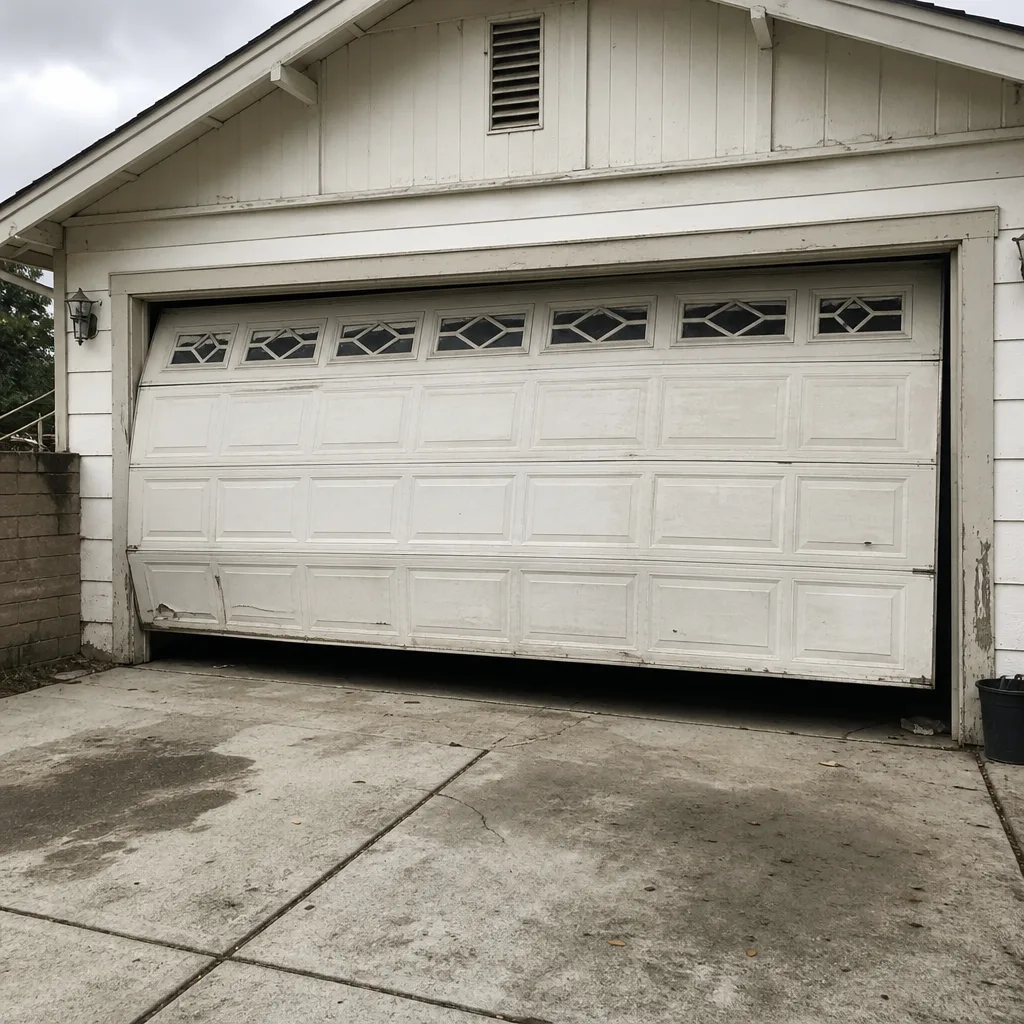 Before
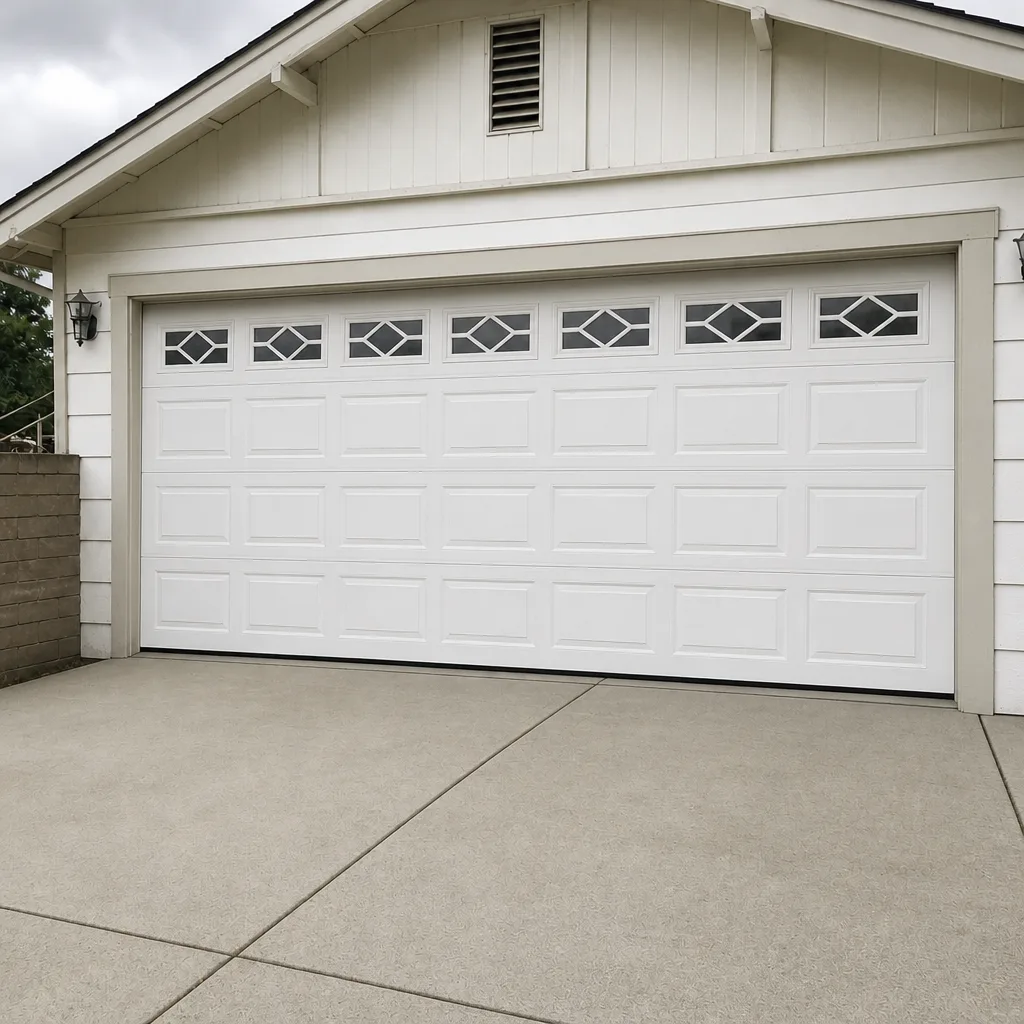 After
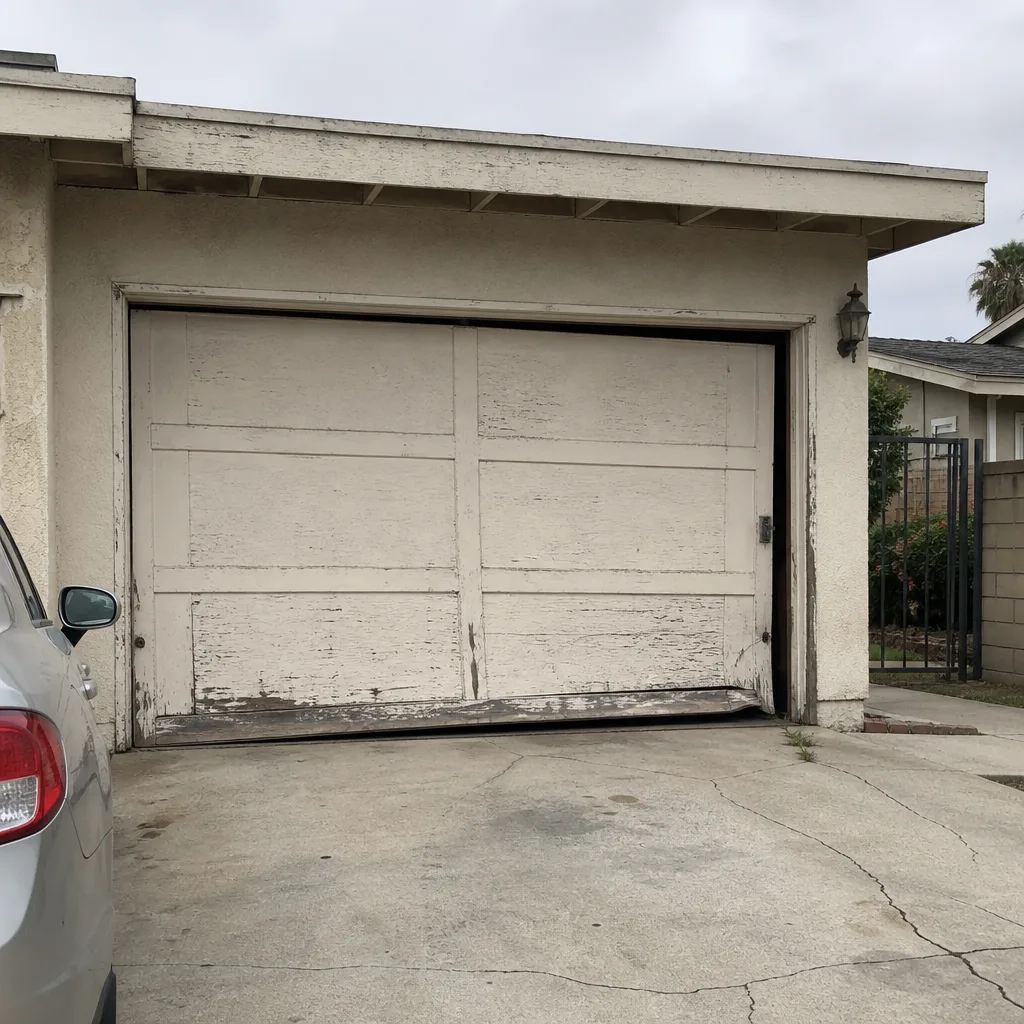 Before
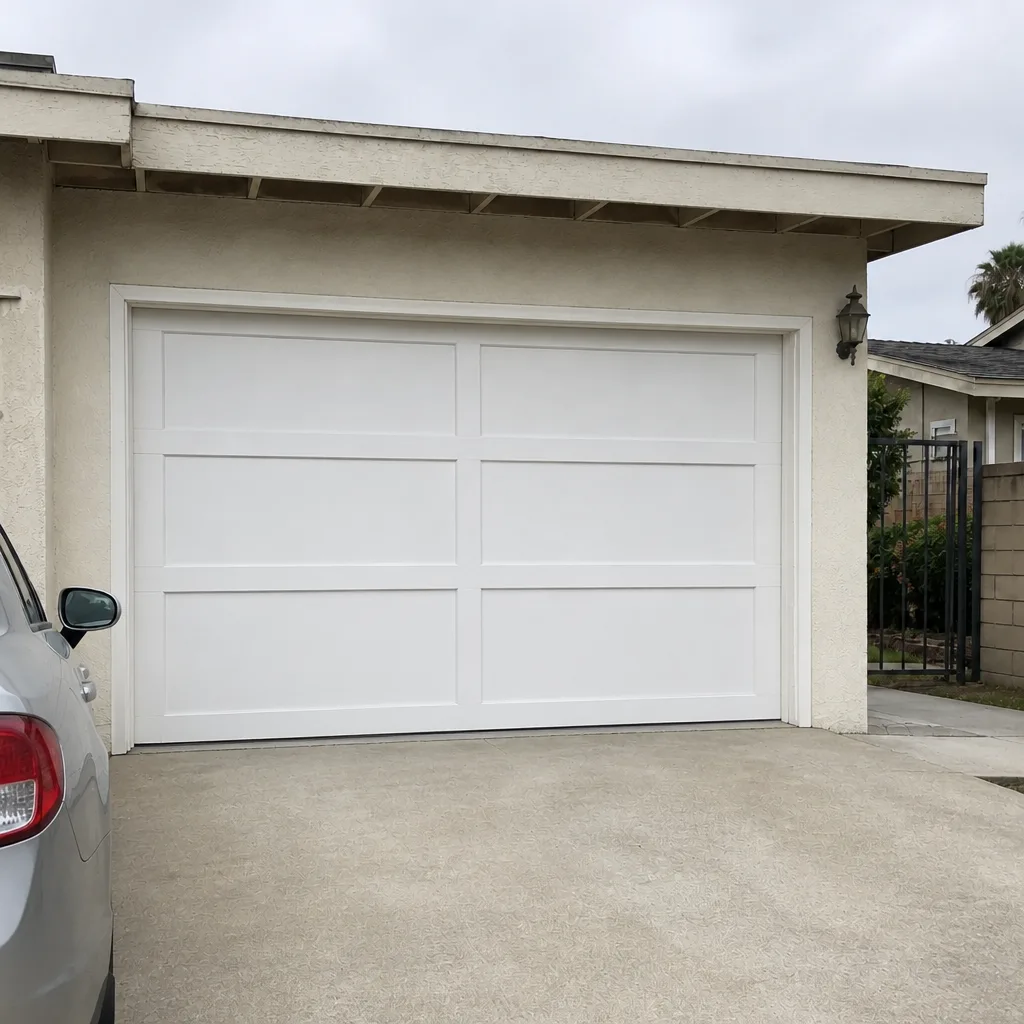 After
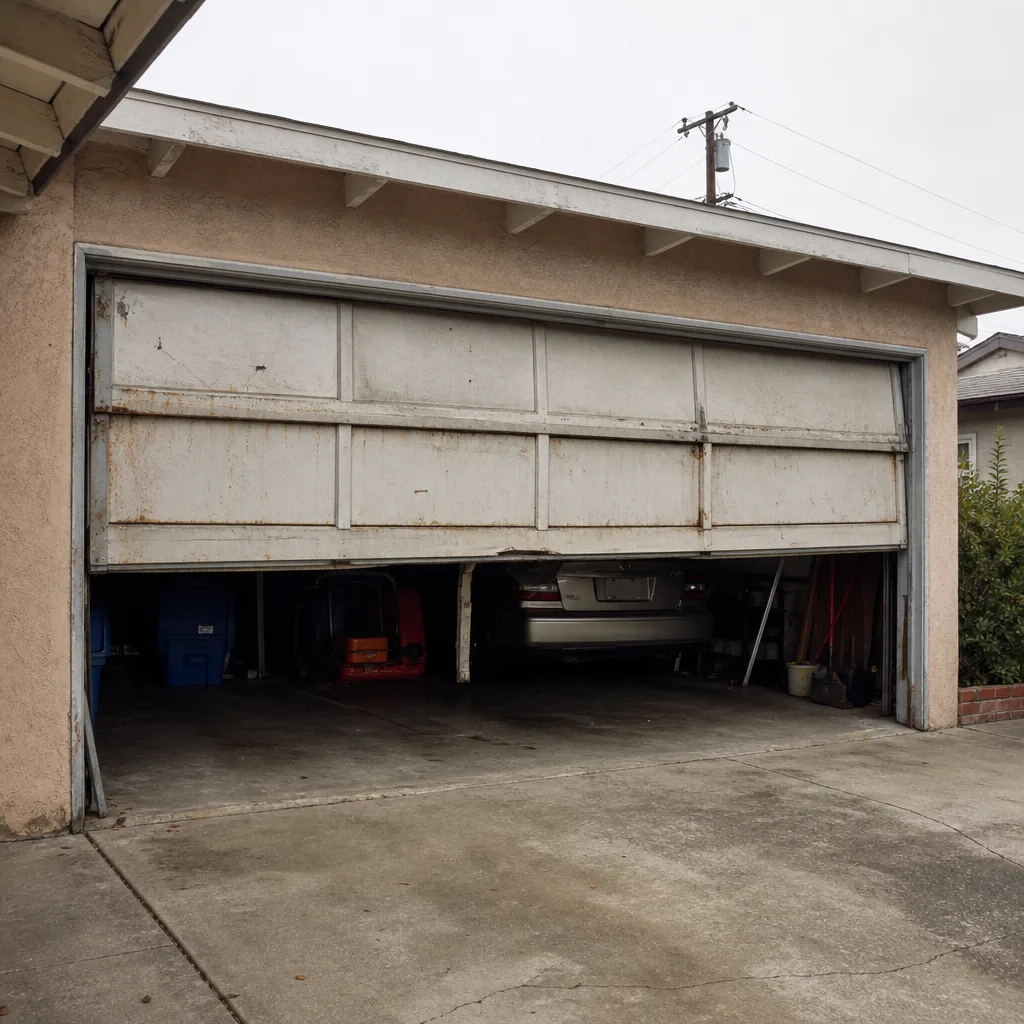 Before
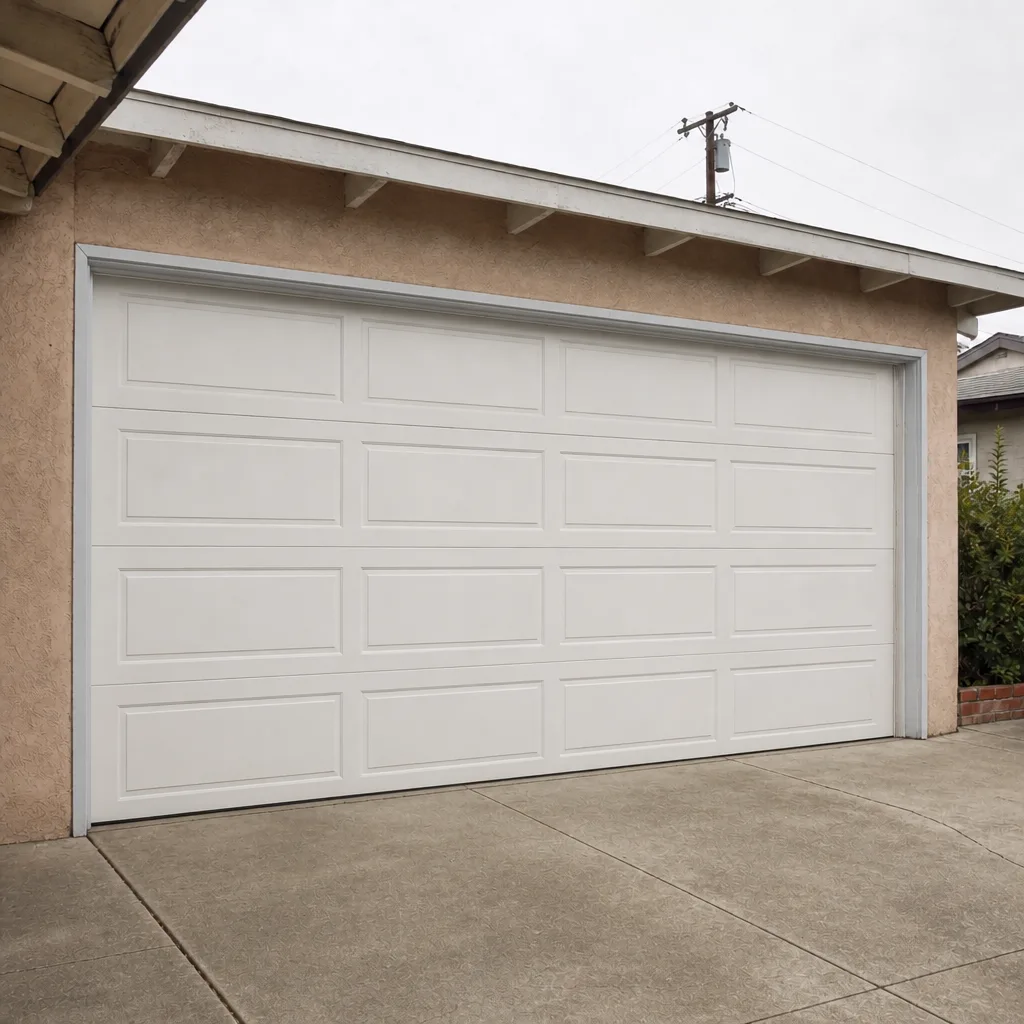 After