
Last updated November 4, 2026
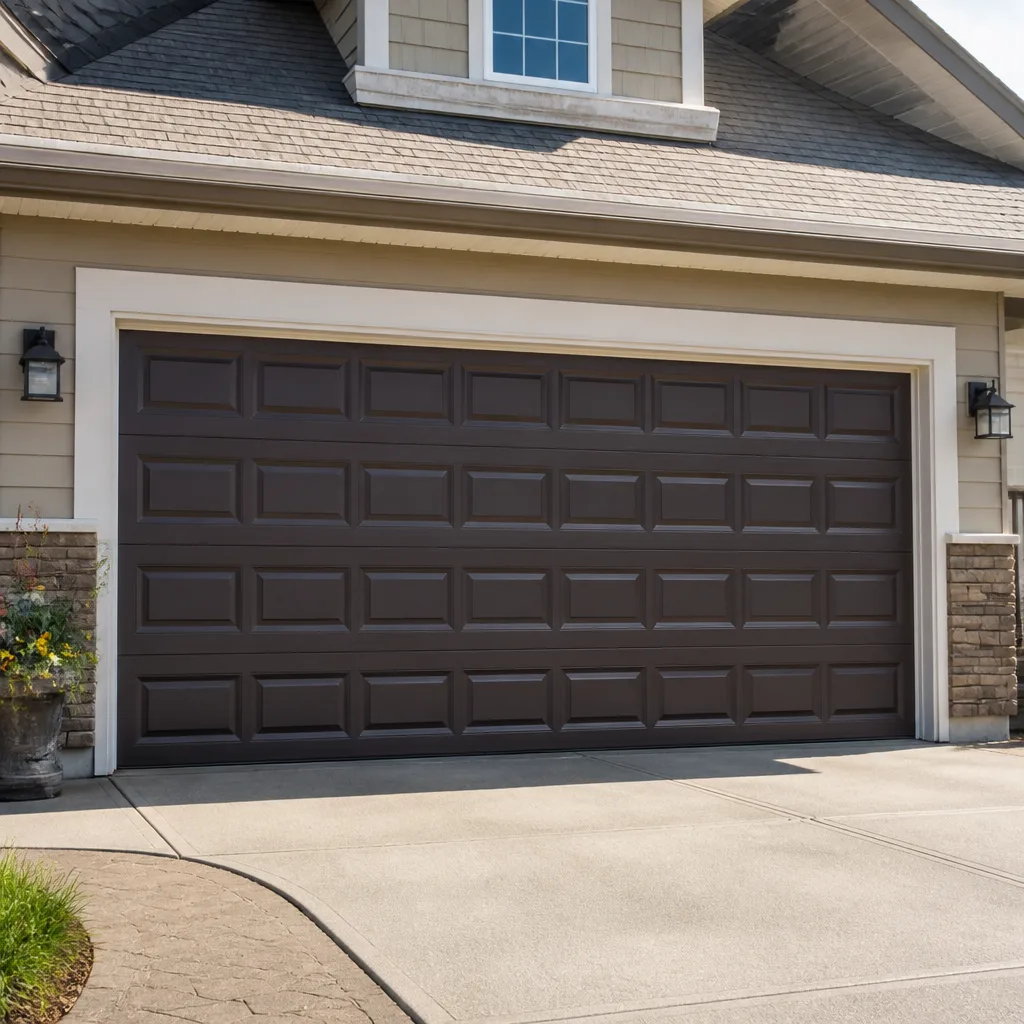 Raised-panel steel
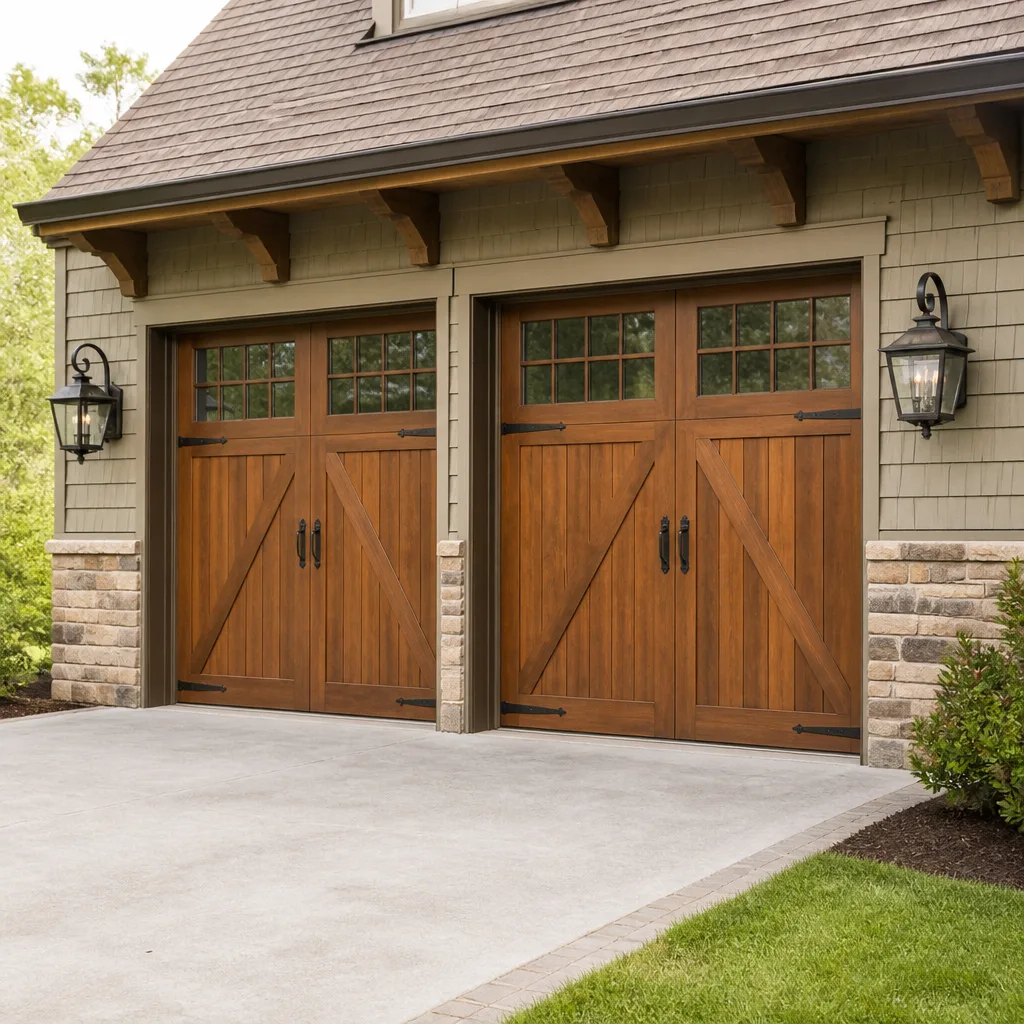 Carriage house
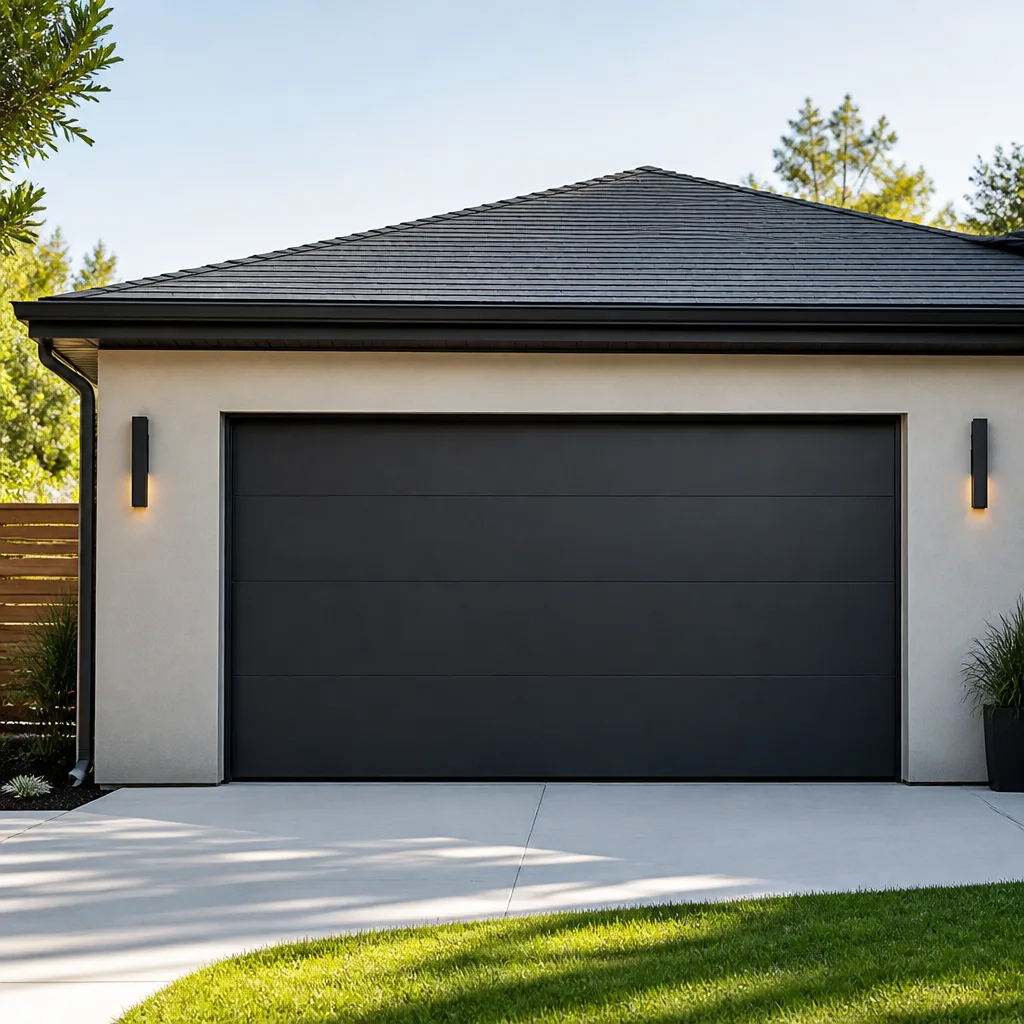 Modern flush
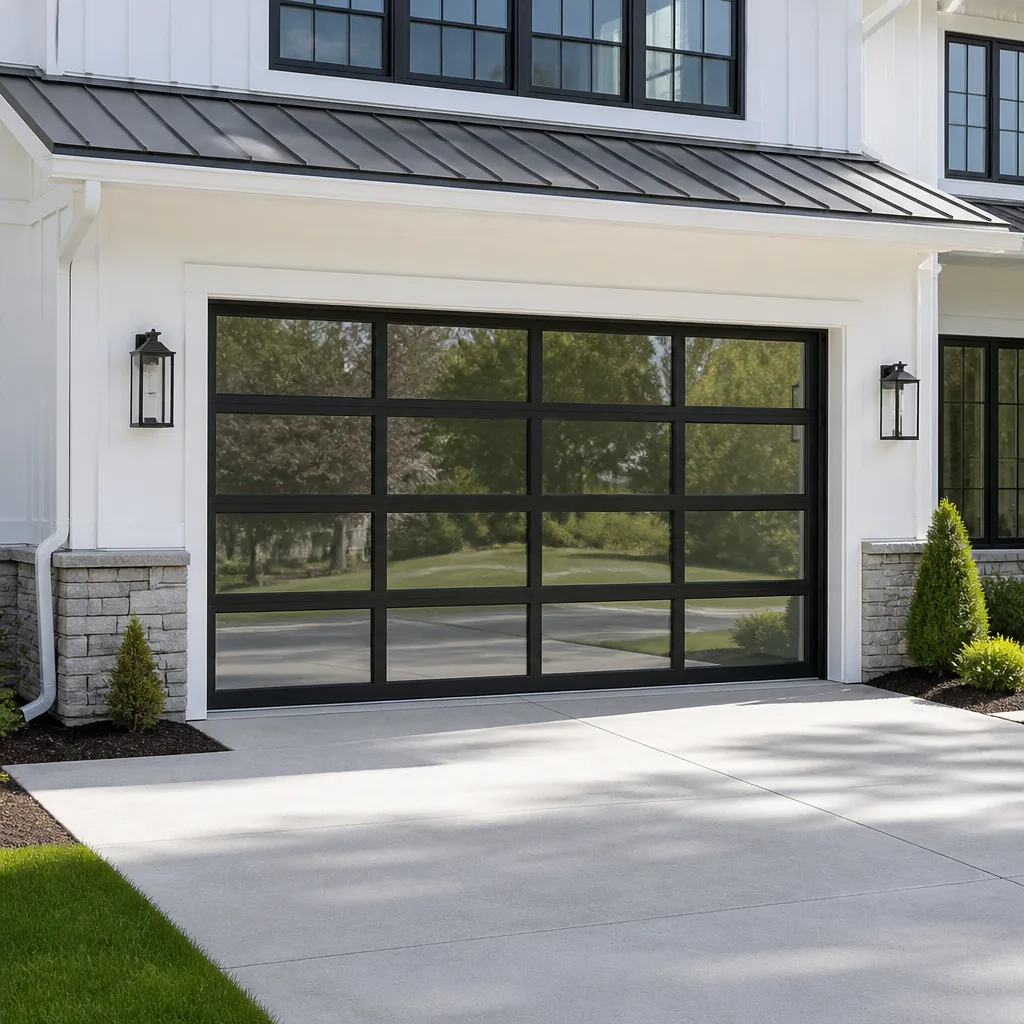 Full-view glass
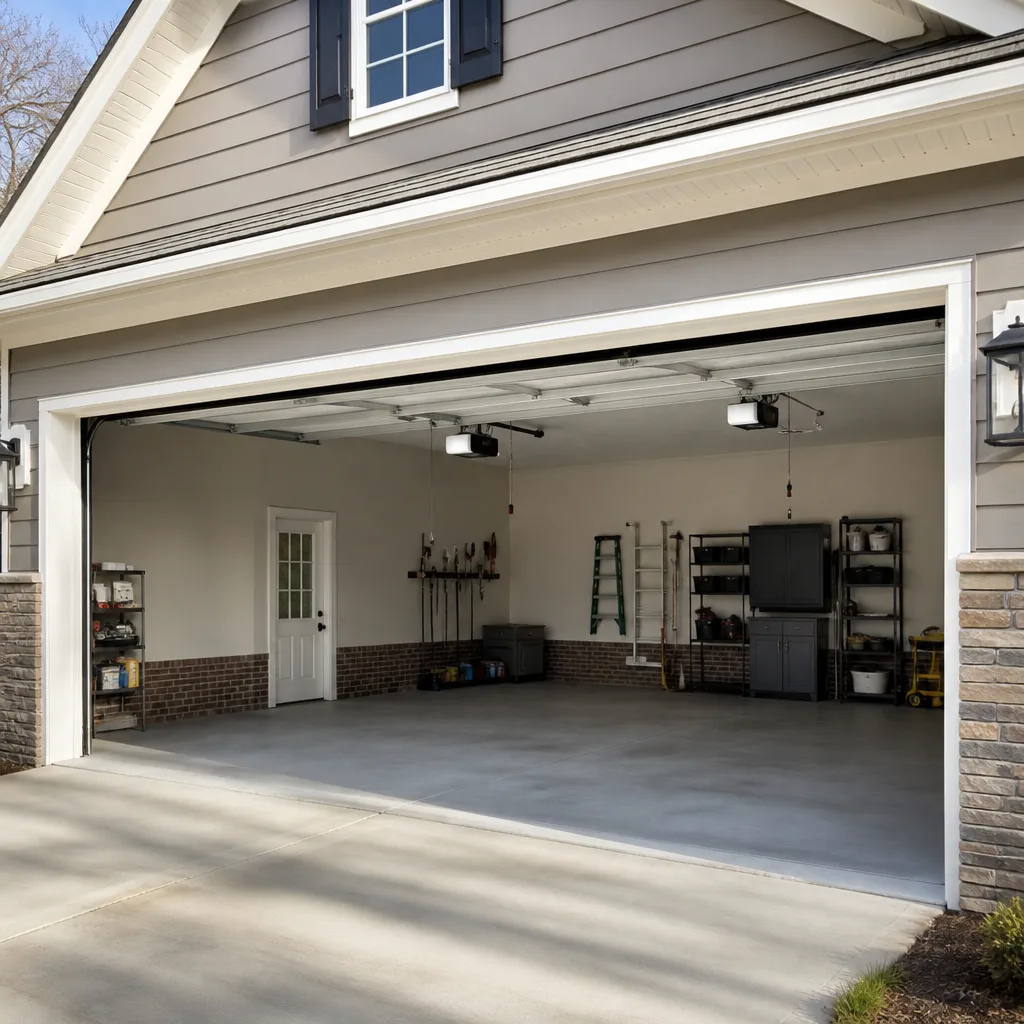 LiftMaster openers
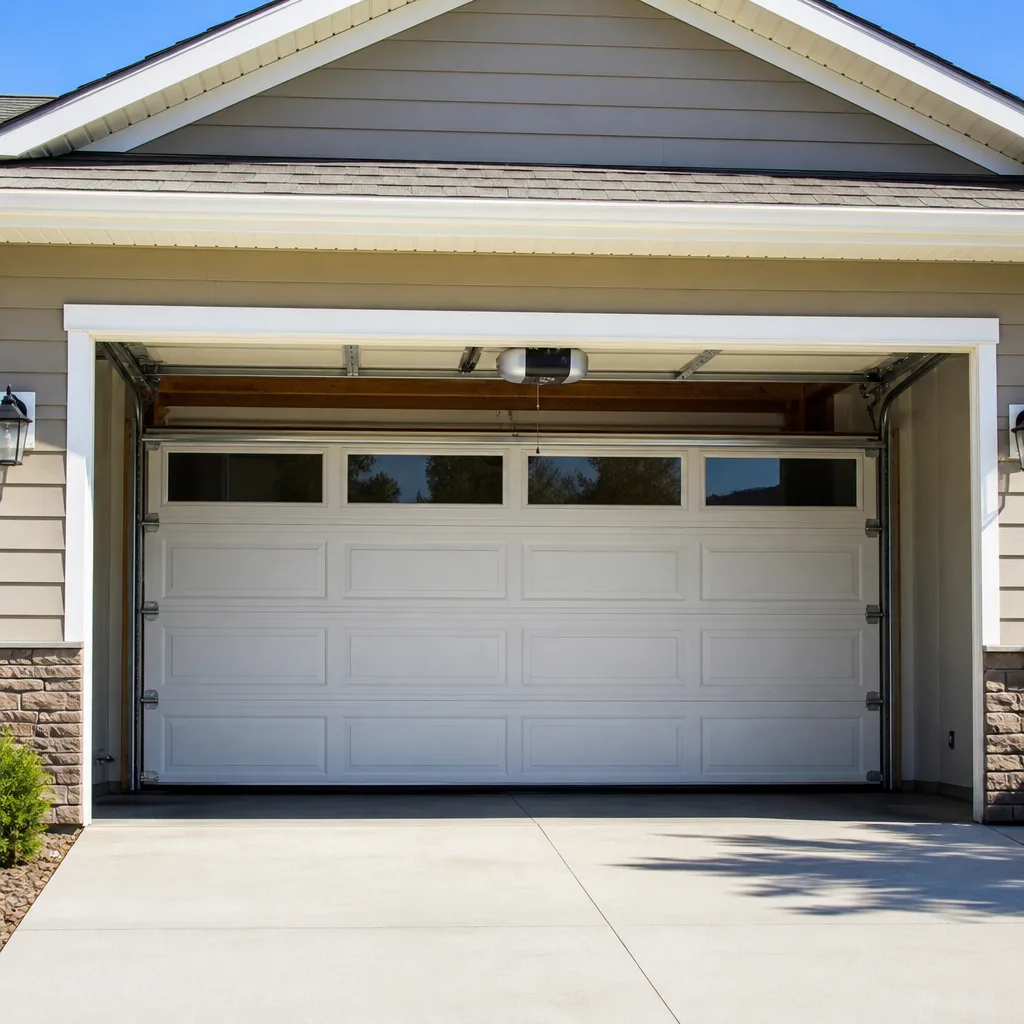 Chamberlain openers
Full 25-point door and opener safety check with every visit - springs, cables, rollers, tracks, and your LiftMaster or Chamberlain opener included
You get a price before we start. It does not change when the truck arrives.
Get your free estimateDIY vs Professional Garage Door: The Highland Homeowner’s Decision Guide
Most homeowners in Highland approach a garage door problem the same way they’d approach a leaky faucet: how hard can it be? The answer depends entirely on which part failed. A worn bottom seal, a misaligned photo-eye, a noisy roller track – these are genuinely reasonable weekend projects. But the moment you touch a torsion spring, you’re no longer doing home repair. You’re working against a tightly wound spring holding hundreds of pounds of torque, and the physics don’t care how careful you think you’re being. This guide draws the exact line between what a prepared Highland homeowner can safely handle and what belongs in the hands of a garage door repair specialist, so you don’t attempt the wrong task or overpay to avoid the right ones.
Styles & brands we work with
- Raised-panel steel
- Carriage house
- Modern flush
- Full-view glass
- LiftMaster openers
- Chamberlain openers
Quick Answer
Most garage door maintenance in Highland is safe for a careful DIYer – think lubrication, weatherstripping, sensor cleaning, and battery replacement. But any job involving torsion springs, lift cables, or opener logic boards should go to a professional, because those components store dangerous energy or require brand-specific diagnostic tools. The smart approach is task-specific: about half of common garage door issues are DIY-appropriate, and the other half should never be touched without training.
Table of Contents
- The Risk Profile: Why Skill Level Isn’t the Real Question
- Task-by-Task: DIY vs Professional vs Professional-Recommended
- The Physics of a Torsion Spring: Stored Energy You Can’t See
- Tools for Legitimate DIY Jobs in Highland
- California Liability: Warranties, Insurance, and Permits
- The Honest Cost Comparison: When DIY Saves and When It Doesn’t
- Highland-Specific Factors That Affect Your Door
- Common Mistakes to Avoid
- When to Call a Professional
- Frequently Asked Questions
- The Bottom Line
The Risk Profile: Why Skill Level Isn’t the Real Question
We’ve watched capable Highland homeowners with full tool chests and decades of general contractor experience make the same call every new homeowner makes when a spring snaps: they grab a socket wrench and go. And that’s the problem. The DIY-vs-professional line for garage doors isn’t drawn by mechanical aptitude. It’s drawn by consequence. A mistake with a paintbrush costs you an afternoon. A mistake with a torsion spring costs you fingers, a broken wrist, or a door that comes crashing down because you released tension the wrong way.
So before we get into the task list, let’s reframe the question. Instead of asking “Can I fix this?” ask “If I get this wrong, what’s the worst that happens?” For most garage door maintenance tasks, the worst case is a misaligned track or a door that won’t close properly. Annoying but repairable. For garage door opener repair involving logic boards or wiring, the worst case is a fried circuit or a door that reverses mid-cycle. For torsion springs and lift cables, the worst case is an injury that sends you to the emergency room in Highland. That’s the boundary. Everything in this guide respects it.
What complicates things further is that garage doors have evolved. A door installed in a Highland home built in 2005 has a different spring system than one installed in a 1995 build. Older doors often use extension springs on the sides, which are marginally less dangerous to service than torsion springs above the header, but they still store enough tension to cause real harm. Modern openers from Amarr, Wayne Dalton, Craftsman, and Raynor include smart-home integration, battery backups, and self-diagnostic LED codes that require specific knowledge to interpret correctly. The brand on your door matters less than the generation of the system, but a technician who works across eight brands is going to recognize both.
Task-by-Task: DIY vs Professional vs Professional-Required
Here’s the definitive breakdown. We’ve organized common garage door jobs into three categories: DIY-appropriate, professional-recommended, and professional-required. The distinction comes down to energy storage, access to specialty tools, and the cost of getting it wrong.
DIY-Appropriate (Safe for a Prepared Homeowner)
- Lubricating rollers, hinges, and tracks – Use a silicone-based spray, not WD-40. Takes 15 minutes, no special tools, and it’s the single best thing you can do for a noisy door in Highland’s dry climate, where metal-on-metal wear accelerates faster than in humid areas.
- Replacing the bottom weatherstrip seal – A utility knife, a tape measure, and about $30 in material. The old seal slides out of the channel, the new one slides in. Even a novice can do this in under an hour.
- Cleaning and realigning photo-eye safety sensors – Dust, spider webs, and vibration knock sensors out of alignment all the time. A soft cloth and a level usually solve it. If the indicator lights blink in a pattern you don’t recognize, that’s where it becomes a diagnostic job.
- Replacing remote control batteries – If your opener responds to the wall button but not the remote, this is the fix about 80% of the time. Check the battery first before assuming the opener is dead.
- Tightening loose hinge bolts and track brackets – Vibration loosens hardware over time. A socket set handles most of it. Check the door’s balance afterward.
- Painting a steel door – Highland’s sun will fade a painted garage door faster than you expect. Rust-Oleum or similar exterior-grade paint works. Just don’t paint the weatherstripping, tracks, or hinges.
Professional-Recommended (You Could Do It, But It Usually Costs More to Get Wrong)
- Replacing rollers – Bottom rollers are attached to cables under tension. The top rollers are straightforward, but bottom roller replacement requires releasing cable tension, which means working near the spring system. If you have a Wayne Dalton or Amarr door with bottom brackets that double as cable anchors, call someone.
- Adjusting extension spring tension – Older doors in Highland neighborhoods with 1990s construction often still have side-mounted extension springs. They’re safer than torsion springs, but if a cable snaps while you’re adjusting it, the spring becomes a projectile. Professional-recommended.
- Replacing the opener wall console or keypad – If the wiring is straightforward, this is doable. But many newer Craftsman and Raynor openers have security protocols that require re-pairing the console with the motor unit. Wrong wiring sequence can short the logic board, and now you’re buying a new opener instead of a $40 console.
- Fixing a door that binds or sticks in one spot – The cause is usually a track that’s slightly out of alignment, a roller that’s worn flat, or a door that’s out of balance. Diagnosing which one requires experience. Fixing the wrong thing wastes your weekend and doesn’t solve the problem.
Professional-Required (Do Not Attempt)
- Torsion spring replacement – The single most dangerous component in your home. See the physics section below. Do not touch this.
- Lift cable replacement – Cables run through the spring system and carry the door’s entire weight. If you don’t understand the relationship between cable tension and spring tension, you can’t do this safely.
- Opener logic board or circuit board replacement – Modern openers have integrated circuit boards that require specific diagnostic knowledge. A wrong ground or crossed wire burns the board and voids the warranty.
- Track repair or replacement – Bent or twisted tracks require specialty tools and a level of precision that’s hard to achieve without a technician’s experience. A misaligned track is also how doors come off their hinges and fall.
- Spring-to-opener force adjustments – This is the calibration between your door’s spring system and the opener’s motor. Too much force and the door doesn’t reverse properly when it hits something. Too little and the opener burns out. The adjustment matters for safety and the opener’s lifespan.
- Any repair to a door with a broken spring – If the spring is broken, the door is unbalanced. Operating it by hand or with the opener is how garage doors end up on car hoods. Leave the door closed, unplug the opener, and call a professional.
The Physics of a Torsion Spring: Stored Energy You Can’t See
The average residential garage door weighs between 130 and 180 pounds, depending on the material and insulation. A steel double door on a three-car garage in Highland might weigh over 200 pounds. The torsion spring above your door is wound to offset that weight, meaning it’s holding roughly the door’s full mass in stored rotational force. A typical residential torsion spring is wound to seven and a half or eight turns, and each turn adds tension. The spring stores hundreds of pounds of force when fully wound.
Now think about what happens when that spring breaks while you’re standing on a ladder underneath it. The spring doesn’t slowly unwind. It releases all that energy at once. The winding bars in your hands become projectiles. The broken spring end whips through the air. If your hand or face is in the way, the injury is severe. If you’re lucky, you lose the wrench and not a finger. If you’re not, you’re one of the thousands of Americans who go to the ER every year from garage door spring accidents.
We work on doors from Amarr, Wayne Dalton, Craftsman, and Raynor, and every manufacturer we’ve installed has the same warning in their documentation: torsion spring adjustment requires professional training and specialized winding bars. It’s not a suggestion. It’s a safety protocol written after decades of injuries. The winding bars we use are thicker than anything in a homeowner’s tool chest, and we still treat every spring with the respect it deserves.
What’s counterintuitive is that torsion springs don’t look dangerous. They’re a coiled piece of steel above your door. But a fully wound spring is holding back the equivalent of lifting that 200-pound door with your bare hands, over and over. That energy has to go somewhere. The only question is whether it releases gradually under professional control or all at once in your direction. If you’re in Highland and your spring snaps, the safest thing you can do is leave the door down, disconnect the opener, and make a call.
Tools for Legitimate DIY Jobs in Highland
One of the quiet giveaways between a DIY-appropriate job and a professional-required one is the tool list. A weatherstrip replacement needs a utility knife and a tape measure. A torsion spring replacement needs two winding bars of a specific diameter, a proper socket set, a ladder tall enough to reach the spring line, and at least two hands that know what they’re doing. Most Highland homeowners own the first set. Almost nobody owns the second.
Here’s what a legitimate DIY toolkit for garage door maintenance looks like:
- Silicone-based lubricant spray – Specifically for garage door rollers and hinges. Not WD-40, which is a cleaner and degreaser, not a lubricant.
- Utility knife with extra blades – For cleanly cutting old weatherstripping without scoring the door.
- Tape measure – For measuring the bottom seal width and length. Highland doors are typically 8 or 16 feet wide, but measure yours rather than guessing.
- Socket set with 3/8-inch and 7/16-inch sockets – Covers most hinge and track bracket bolts on residential doors.
- Spirit level – For checking photo-eye alignment and confirming the door sits level when closed.
- Soft cloths and a mild cleaner – For wiping down sensor lenses and removing the dry dust that Highland’s climate leaves on everything.
- Replacement batteries – Most openers use a standard coin cell or 9-volt for remotes. Check your model before buying a whole pack.
What you won’t find on any legitimate DIY list: winding bars for torsion springs, spring gauges, opener circuit testers, and specialized track alignment tools. Those are commercial equipment. They’re not expensive because they’re rare; they’re specialized because using them incorrectly creates danger. The cost difference between a professional repair and a DIY attempt that goes wrong isn’t measured in tools. It’s measured in hospital visits, damaged doors, and the follow-up repair you needed in the first place.
California Liability: Warranties, Insurance, and Permits
California has specific consumer protection laws and contractor licensing requirements that affect garage door work, and Highland homeowners should understand them before attempting a repair. Here’s what matters.
First, manufacturer warranties. Every major door brand – including Amarr, Wayne Dalton, Craftsman, and Raynor – includes language in their warranty documentation about unauthorized modifications or repairs. If you replace a torsion spring yourself and the spring fails or damages the door, the manufacturer is within its rights to void the guarantee on the door and any connected components. You’re not just eating the cost of the mistake. You’re eating the cost of everything the warranty would have covered.
Second, homeowner’s insurance. Most policies in California cover garage door damage from accidents, weather, or break-ins. But if you perform a repair that later fails and causes damage or injury, your insurance provider may deny the claim on the basis that the work was performed by an unlicensed person. This is especially relevant for spring and cable work, where a failure can bring a 200-pound door down on a car or a person.
Third, permits. The city of Highland requires permits for structural changes to your garage, which can include full door replacement if the opening is being modified. A direct swap of a same-size door typically doesn’t require a permit, but adding a door where there wasn’t one or enlarging an opening does. Most cities also require that the work be performed by a licensed contractor if a permit is involved. If you’re unsure, call Highland’s building department and ask. It’s a five-minute phone call that saves a much longer headache later.
The practical upshot: DIY-appropriate maintenance tasks don’t affect your warranty or insurance. Professional-required tasks absolutely do. The line isn’t just about safety. It’s about protecting the investment in your home.
The Honest Cost Comparison: When DIY Saves and When It Doesn’t
Let’s talk about the reason most homeowners in Highland consider DIY in the first place: money. The calculation seems simple. A weatherstrip costs $30 at the hardware store, so why pay someone to install it? A new spring costs $50 online, so why pay a technician?
Because the cost of a repair isn’t the cost of the part. It’s the cost of the part plus the labor, the expertise, the tools, and the guarantee that the job is done right. Here’s the honest math.
When DIY Saves Real Money
- Weatherstrip replacement: $30-$50 in materials, under an hour of your time. A professional would charge for the service call plus labor. You save $100-$150. Genuinely worth doing yourself.
- Lubrication: $10 for a spray can that lasts multiple applications. A service call for the same thing would be mostly diagnostic time. DIY all the way.
- Photo-eye cleaning and alignment: Free if you own a level. Even if you buy one, $15. This is the most common non-mechanical cause of an opener that won’t close, and you can usually fix it in ten minutes.
- Remote battery replacement: $5 for a battery. A service call for a dead remote is usually just a battery swap. Save the money.
When DIY Creates a Bigger Bill Downstream
- Torsion spring replacement: A single spring is inexpensive, but if you install it with the wrong wind or the wrong size, the door goes out of balance. An unbalanced door burns out the opener motor, which costs several hundred dollars to replace. You’ve saved $50 and created a $400 repair.
- Cable replacement: If the cable isn’t seated correctly on the drum, it can slip during operation. A slipped cable lets the door fall unevenly, which bends the track. Now you need a spring adjustment, a cable reinstall, and a track repair. The original cable job would have been a fraction of that.
- Logic board tinkering: A lot of Highland homeowners have openers from Craftsman or Raynor that are still in good mechanical shape but have finicky electronics. Opening the housing and poking around without understanding the board’s layout can short the board. Now the opener is a paperweight, and you’re buying a new one anyway.
The point isn’t that DIY is always a trap. It’s that some jobs carry hidden costs when they go wrong, and the money you saved on labor becomes the down payment on a much larger repair. The smart approach is to be honest about which category you’re in. A $30 weatherstrip is the kind of job that pays for your own afternoon. A torsion spring is the kind of job that pays for itself in avoided consequences.
Highland-Specific Factors That Affect Your Door
Prestige Garage Door Repair has worked on doors throughout Highland long enough to know what this climate does to garage hardware. It’s not the dramatic stuff that causes problems. It’s the slow, steady stuff.
Highland’s dry air is hard on rubber components. Weatherstripping seals dry out and crack faster here than in coastal climates. The same goes for the rubber bushing in rollers and the insulation strip along the door’s edge. If you notice little black crumbles on the garage floor near the door, that’s your seal degrading. It’s a normal part of owning a garage in this climate, and it’s why we recommend checking the bottom seal every spring and replacing it every two to three years.
The other Highland factor is temperature fluctuation. Mild winters and hot summers mean your door metal expands and contracts through a wider daily cycle than a door in a more temperature-stable climate. That expansion and contraction loosens track bolts, hinge screws, and bracket mounts over time. A door that was perfectly aligned when installed will gradually drift out of alignment as the seasons pass. A five-minute bolt-tightening session twice a year prevents most of the binding and sticking problems we see.
Dust is another quiet problem. Highland sits in a region where dry, dusty air is the norm, and that dust works its way into opener gears, sensor lenses, and roller bearings. Sensors that were clean in March are crusted over by July. That’s not a defect. It’s maintenance. Cleaning photo-eye lenses with a dry cloth every few months prevents most “my door won’t close” calls.
None of this is exotic. It’s the reality of owning a garage door in Highland, and most of it falls firmly on the DIY side of the line. The more you stay ahead of the environment, the fewer surprises you’ll have.
Common Mistakes to Avoid
- Using WD-40 as a garage door lubricant. WD-40 is a water displacer and degreaser, not a lasting lubricant. It actually strips the existing lubricant from your rollers and hinges, making the door noisier over time. Use a silicone-based spray made for garage doors.
- Attempting any spring work without understanding the tension. This is the mistake that changes everything else. Torsion springs are wound to hold your door’s entire weight. If you don’t know how to release that tension safely, you’re gambling with a hospital visit.
- Disconnecting the opener from a door with a broken spring. The emergency release handle is there for power outages and opener malfunctions, not for broken spring scenarios. With a broken spring, the door is unbalanced and can slam shut under its own weight once released. Leave the door connected and call a professional.
- Replacing one spring on a two-spring system. Most double doors in Highland use a pair of torsion springs. When one breaks, the other is usually worn to the same degree and will fail soon after. Replacing only the broken one means you’ll be calling again in a few months. A matched pair gets replaced together.
- Ignoring a door that’s visibly out of balance. A door that creeps up or down when you release it manually is telling you something. That imbalance puts constant strain on the opener motor, shortening its lifespan. The longer you ignore it, the more components wear out.
- Painting over sensor lenses or weatherstripping. When you repaint your garage door, mask off the photo-eye lenses, the weatherstripping seal, and the track interior. Paint on a sensor lens blocked the beam and the door won’t close. Paint on weatherstripping makes it brittle and ineffective.
- Assuming all garage door jobs are the same difficulty. The biggest mistake on this list. Replacing a seal and replacing a spring are not on the same spectrum. One is maintenance. The other is a professional repair. Treating them as equivalent is how DIY projects turn into emergency calls.
When to Call a Professional
The short version: call a professional for anything involving springs, cables, logic boards, or track alignment. Call for any problem you can’t diagnose in the first ten minutes of inspection, because garage door symptoms often point to a different cause than the one you assumed. And call if the door is making a sound you’ve never heard before, because new noises are usually the first sign of a component about to fail.
The longer version: Prestige Garage Door Repair works on the brand you already own, whether it’s an Amarr door, a Wayne Dalton spring system, a Craftsman opener, or a Raynor smart-home setup. Our technicians are trained across eight of the most widely installed brands in the U.S., which means the label on your equipment isn’t an obstacle. From a broken spring to a full new door, we handle the complete spectrum. If you’re in Highland and you’re not sure whether a job is DIY-appropriate, call (833) 593-5123. We answer 24/7. Fast dispatch from 7am to 7pm, Sunday through Friday. The estimate is free, and the price is set by the written estimate before any work begins.
Frequently Asked Questions
You can safely handle lubrication, bottom weatherstrip replacement, photo-eye sensor cleaning, remote battery replacement, and tightening loose track bolts. These tasks require basic tools, carry minimal risk, and don’t void manufacturer warranties. Anything involving springs, cables, or opener internals should go to a professional.
A torsion spring is wound to hold your door’s entire weight, typically 130 to 200 pounds or more, in stored rotational force. When it breaks or is released improperly, that energy discharges instantly. Winding bars become projectiles, and the spring end can whip through the air with enough force to break bone or cause severe lacerations. It’s the single most dangerous component in your home. Call (833) 593-5123 for an exact quote on spring replacement. Estimates are free.
It depends on the repair and the manufacturer. Most major brands, including Amarr, Wayne Dalton, Craftsman, and Raynor, include language voiding warranty coverage if unauthorized repairs are performed on components like springs, cables, or opener boards. Maintenance tasks like lubrication and seal replacement don’t affect your warranty. Professional-required repairs absolutely can.
The cost depends on the specific repair, the brand of your door, and the parts required. Free estimates are standard practice, meaning the technician assesses the problem and gives you a written price before any work starts. Never agree to work without a written estimate. For an exact quote on your specific issue, call (833) 593-5123. We answer 24/7. Fast dispatch from 7am to 7pm, Sunday through Friday.
Yes, in most cases. Torsion spring replacement is a common same-day job for a technician with the right tools and the right spring size on the truck. The key is having the matching spring dimensions and wire gauge, which is why experience across multiple brands matters. Call (833) 593-5123 and describe your door. We’ll confirm availability and schedule a dispatch window. The price is quoted and agreed before work begins.
Repair is almost always cheaper when the door is structurally sound and the panels are in good shape. Replacement makes sense when the door is dented or rusted through, when the tracks are damaged beyond alignment, or when you’re planning to upgrade to an insulated door. A reputable company will give you an honest recommendation rather than steering you toward the bigger sale. Garage door repair is our core service, and we’ll tell you if replacement is the better call.
The Bottom Line
The DIY-vs-professional question for garage doors in Highland comes down to one distinction: energy. Tasks that don’t involve stored energy – lubrication, weatherstripping, sensor cleaning, battery swaps – are genuinely appropriate for a prepared homeowner. Tasks that do involve stored energy – torsion springs, extension springs, lift cables – belong with a professional, not because you lack skill, but because the physics don’t forgive mistakes. Most of what your garage door needs falls on the maintenance side of the line. For the rest, garage door repair professionals in Highland work across the brands you already own and handle the full lifecycle, from a broken spring to a full new door.
Written by the team at Prestige Garage Door Repair, serving Highland since 2014.
See the difference
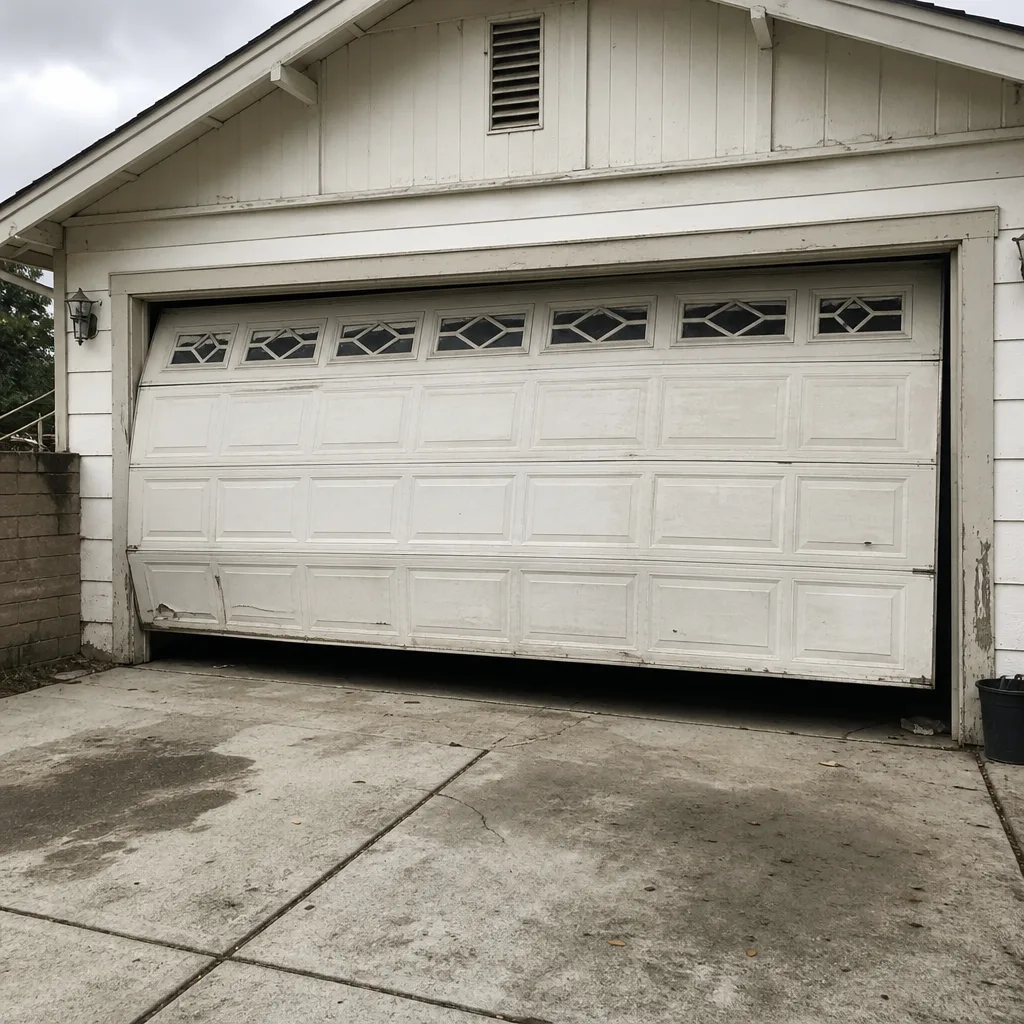 Before
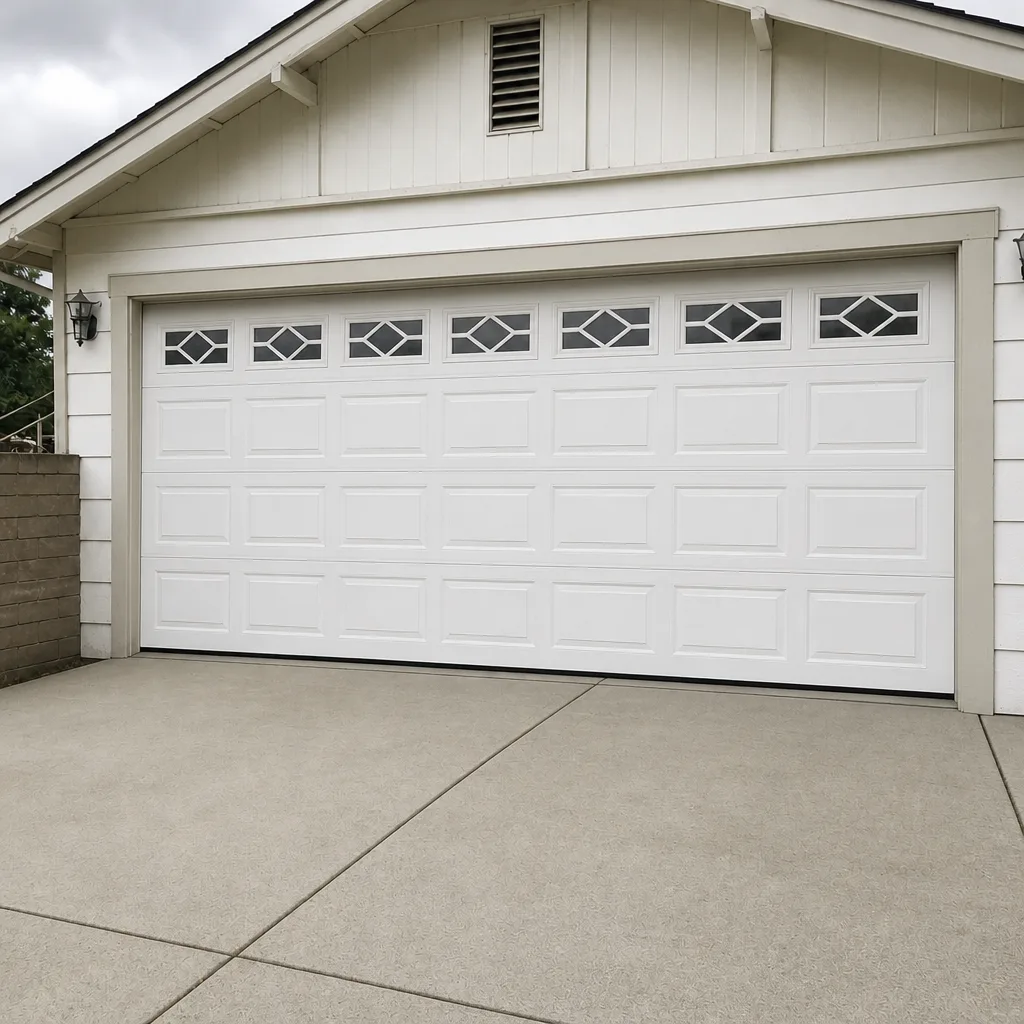 After
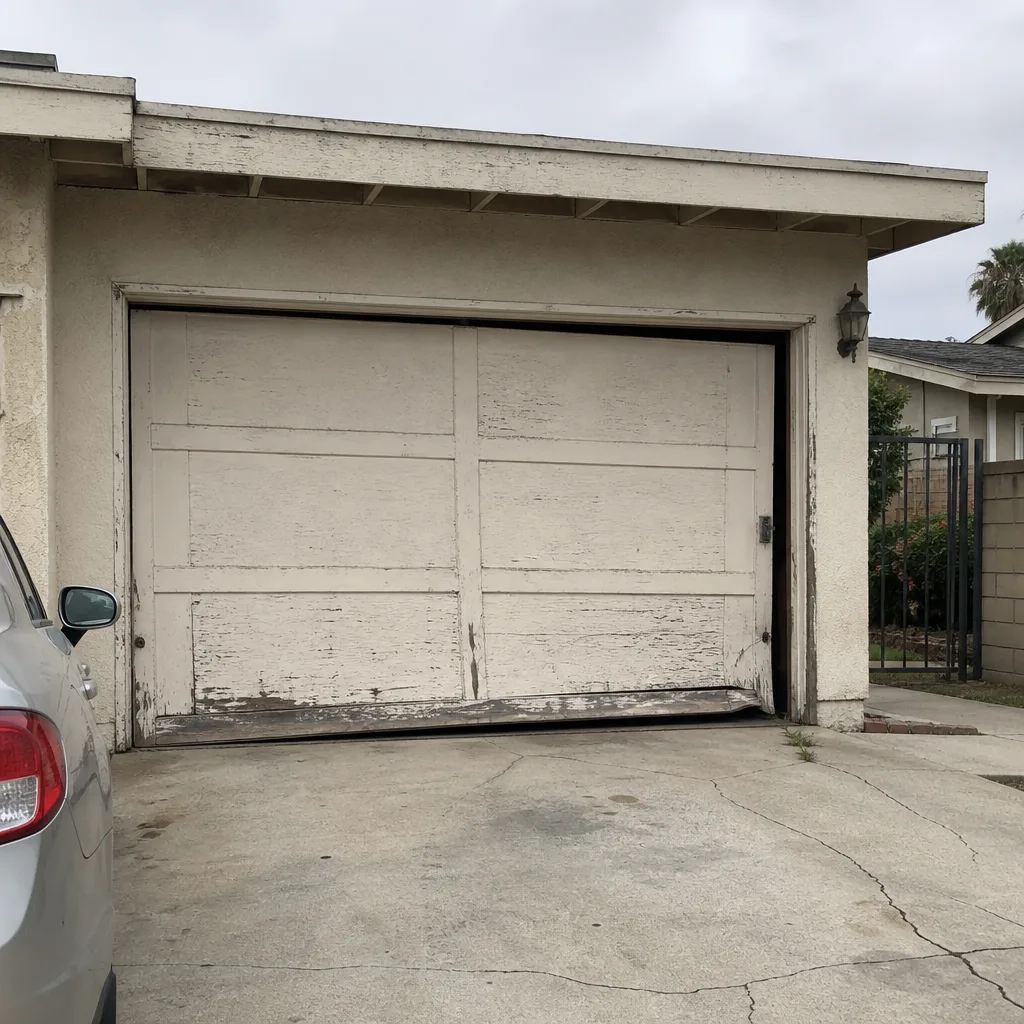 Before
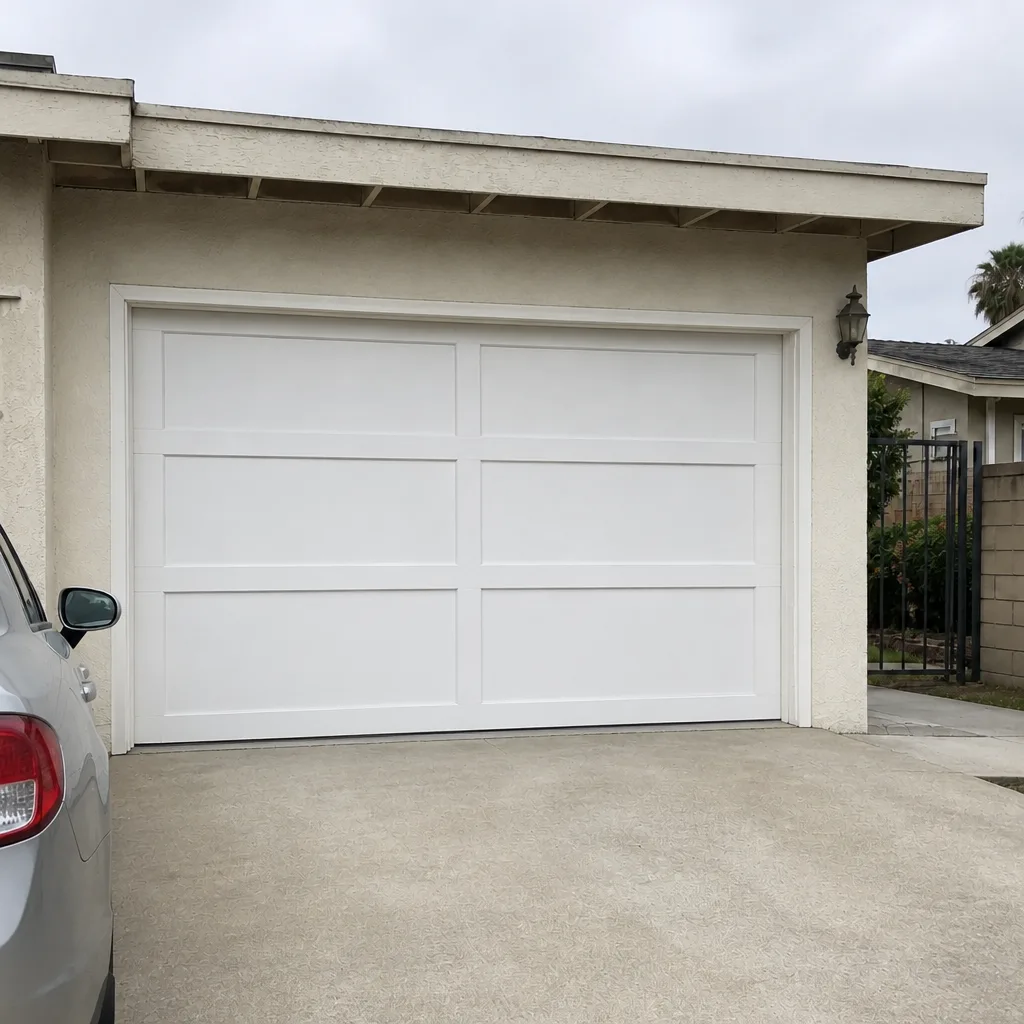 After
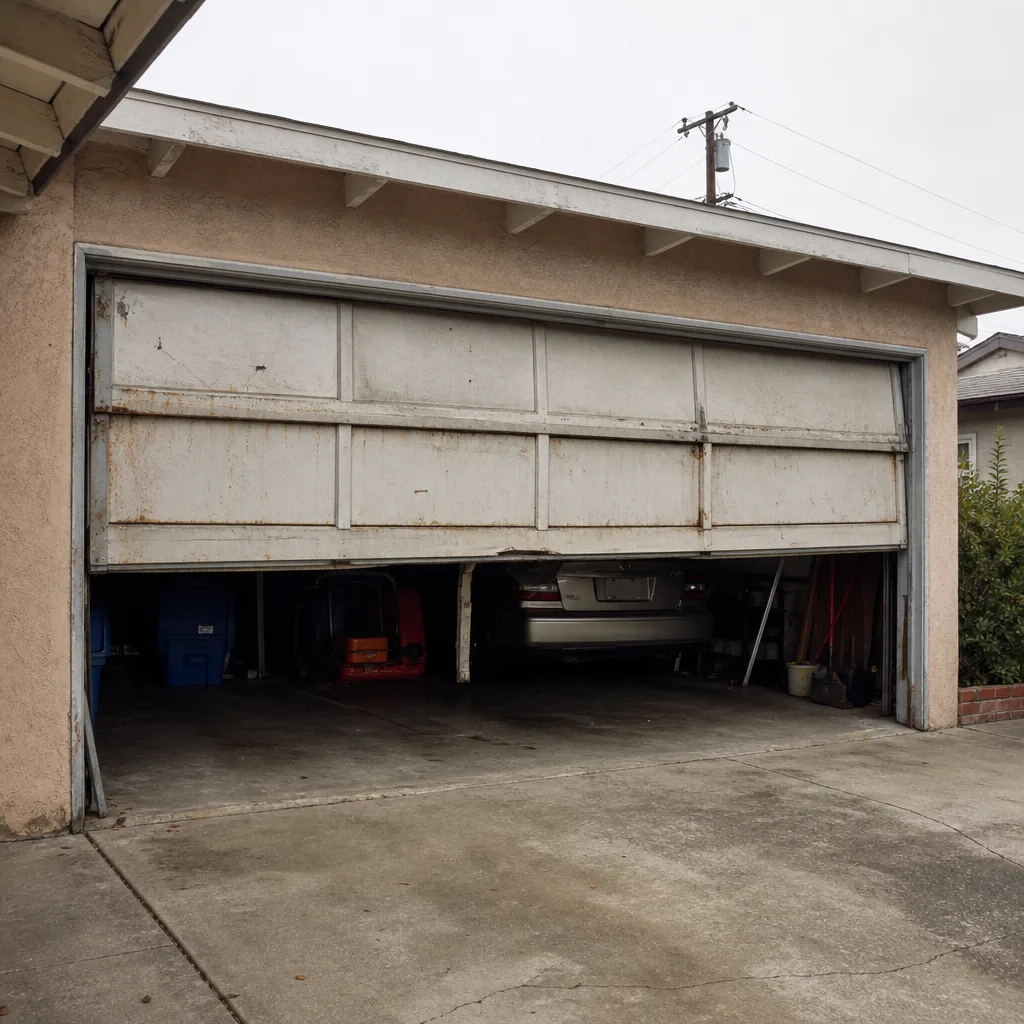 Before
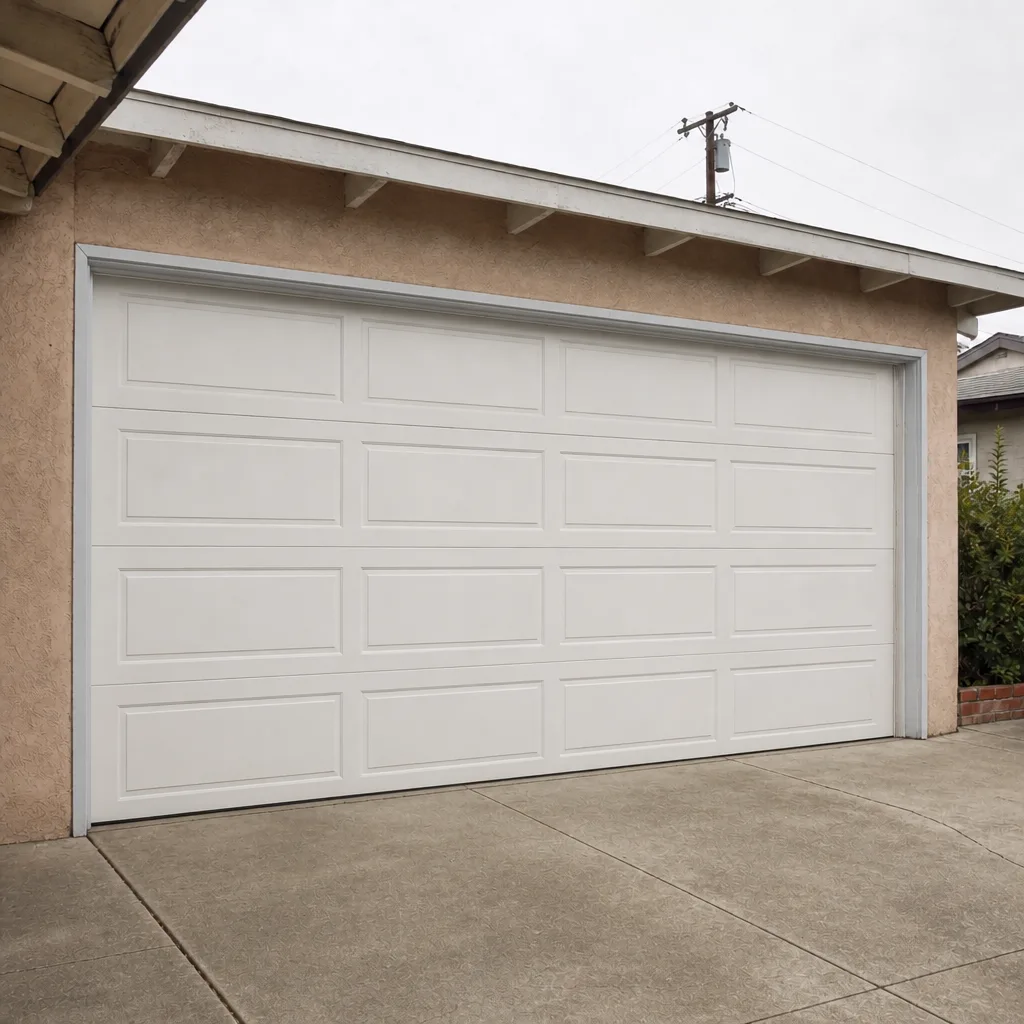 After