
Last updated November 4, 2026
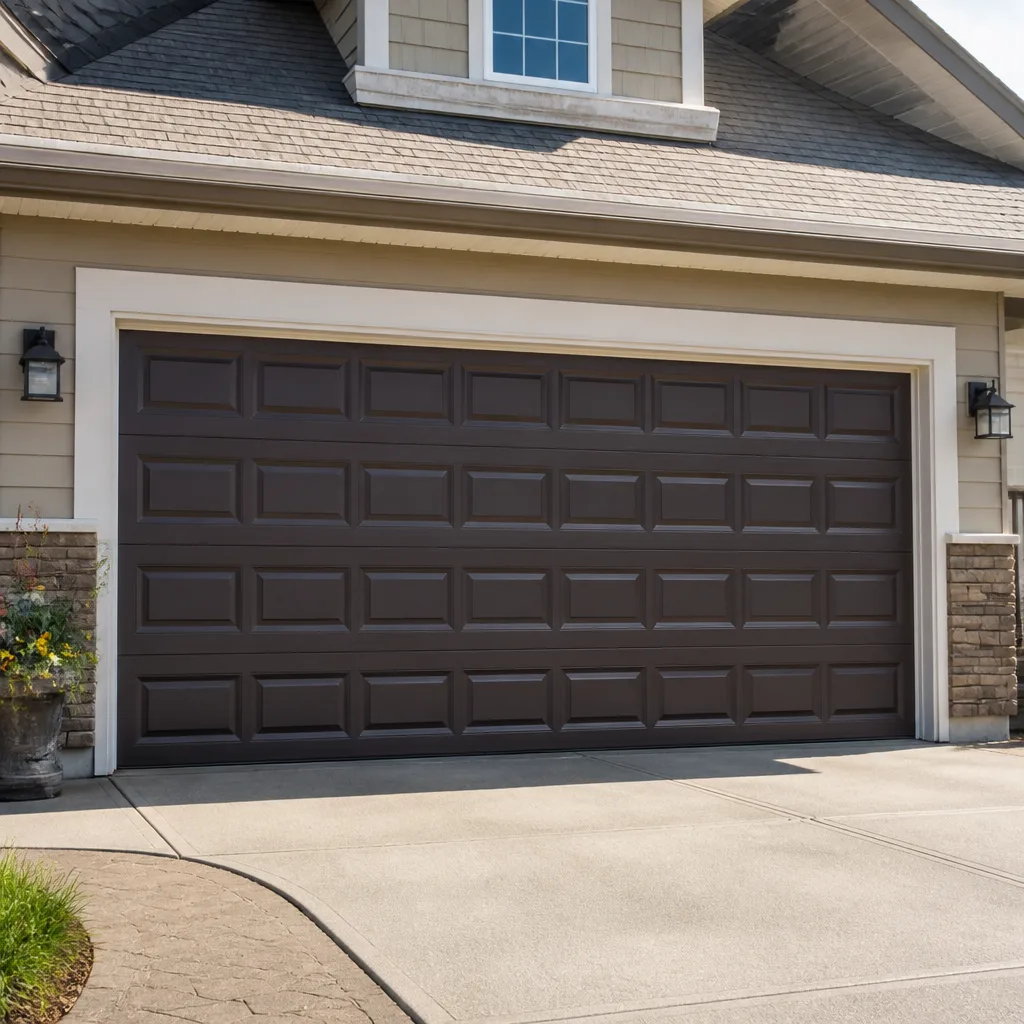 Raised-panel steel
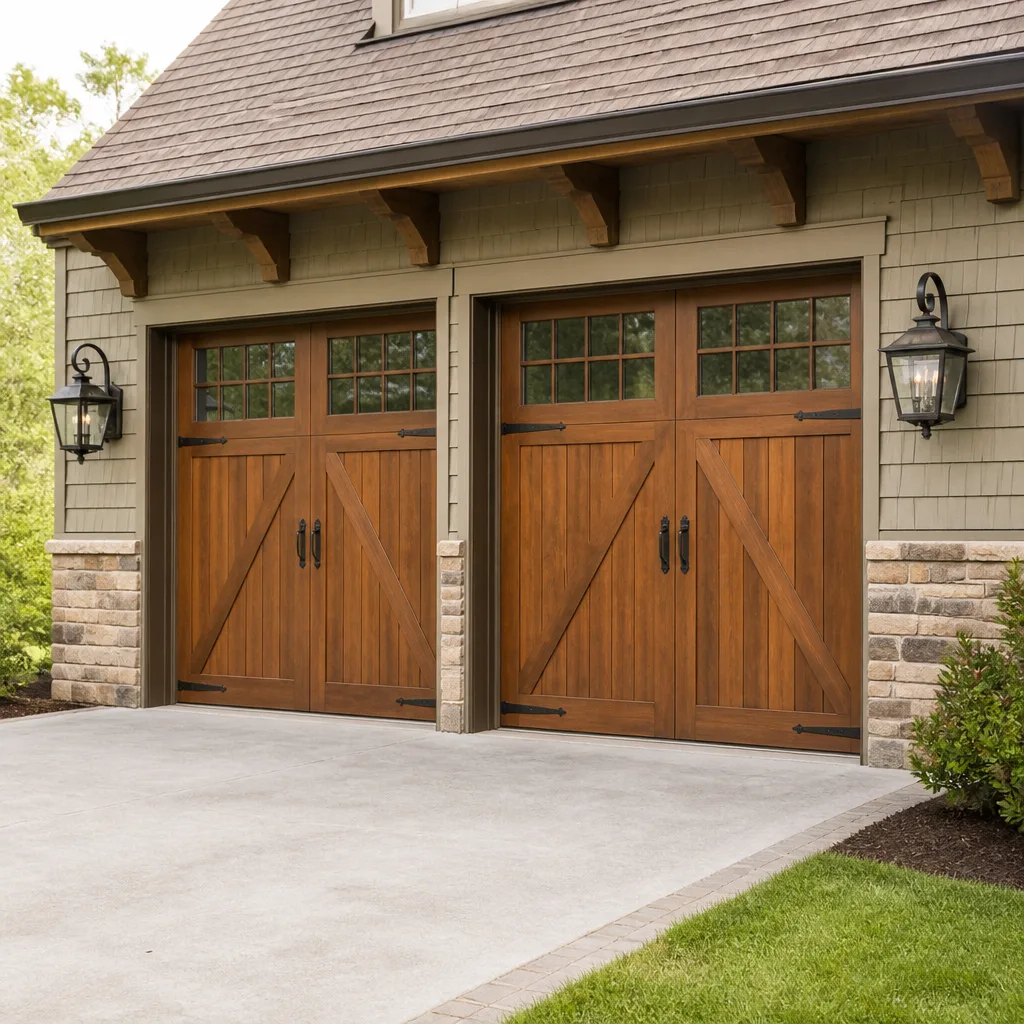 Carriage house
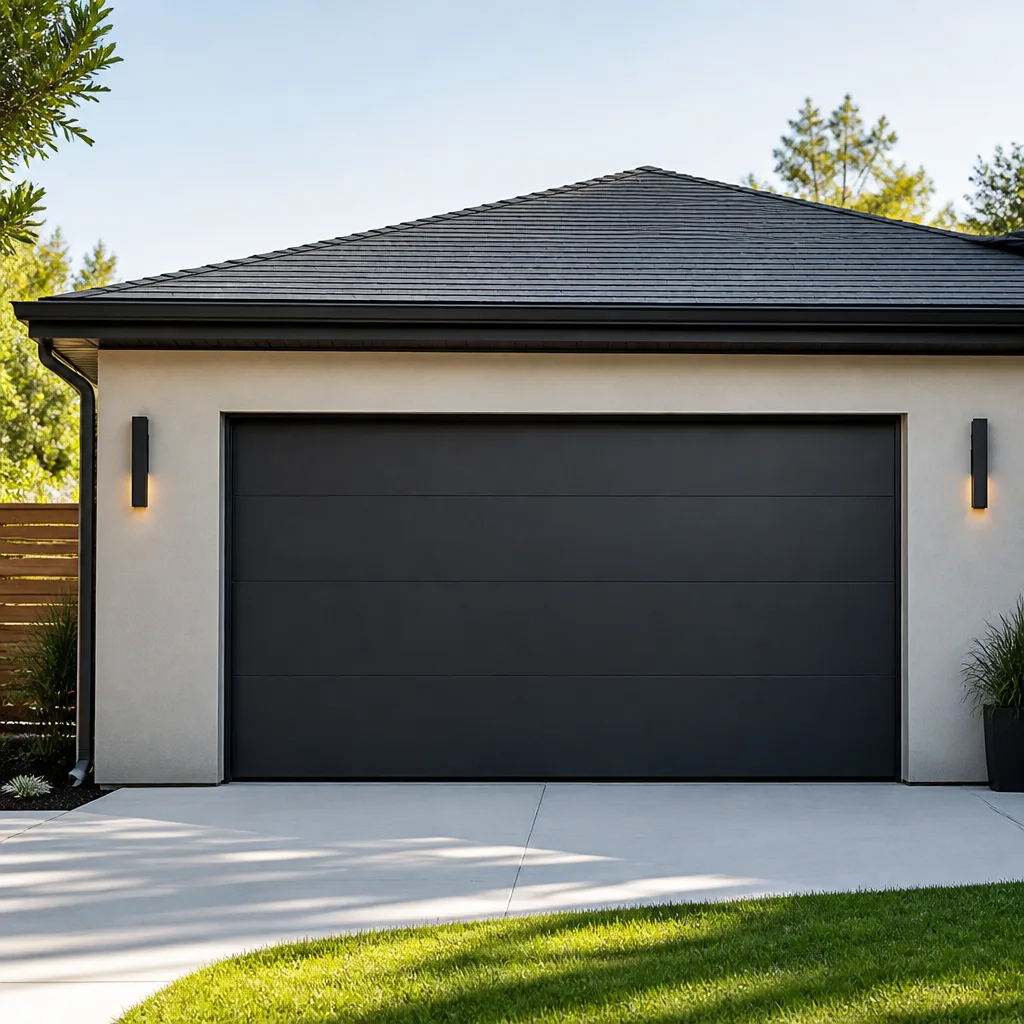 Modern flush
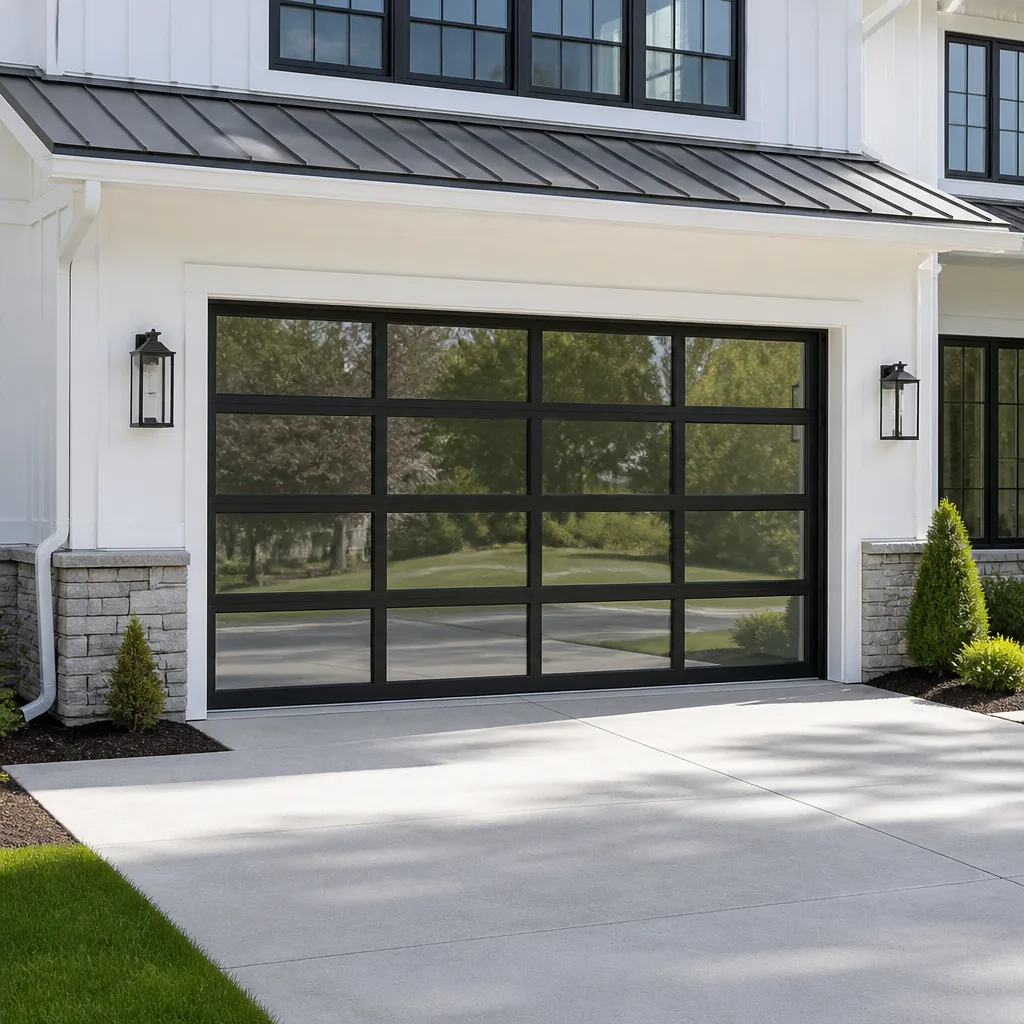 Full-view glass
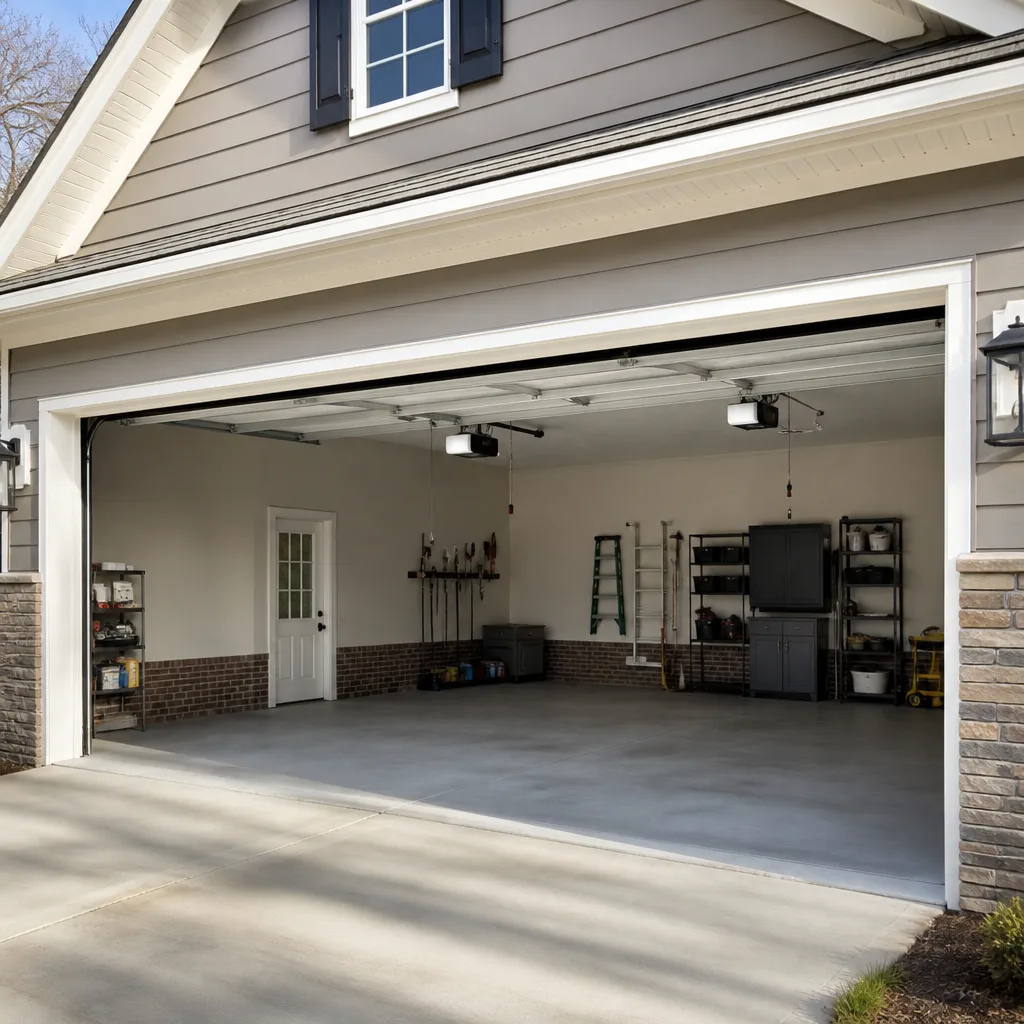 LiftMaster openers
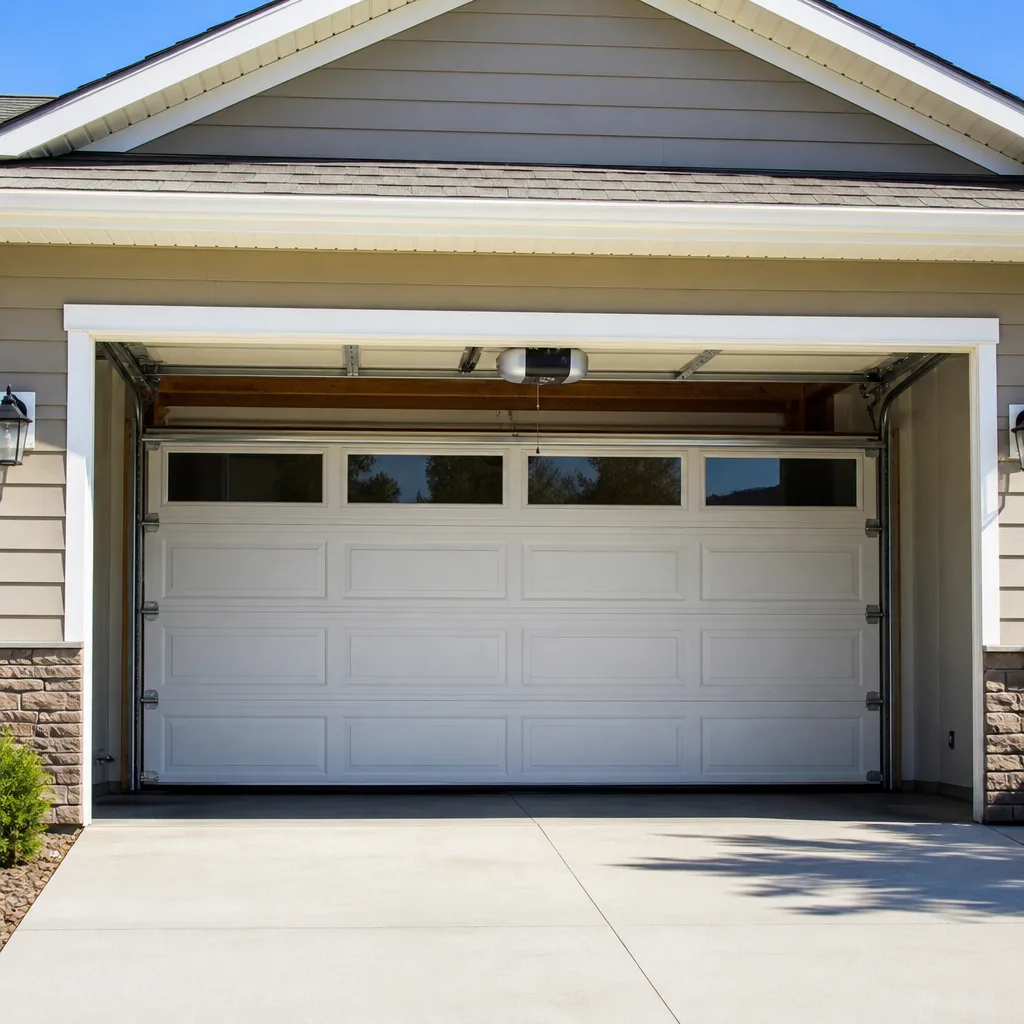 Chamberlain openers
Full 25-point door and opener safety check with every visit - springs, cables, rollers, tracks, and your LiftMaster or Chamberlain opener included
You get a price before we start. It does not change when the truck arrives.
Get your free estimateGarage Door Emergency Preparedness Guide for Highland Homes
Most Highland homeowners assume their garage door will open when they need it to. That assumption fails most often during the exact moments that matter: a wind-driven outage knocks out power as temperatures climb past 100°F, a wildfire evacuation order comes through at 3 a.m., or a stressed electrical grid cuts service just as you’re trying to get a family member to medical care. The manual release cord hangs from every opener ever installed, yet the majority of people standing in a dark garage during an outage have never pulled it, don’t know which direction it moves, and can’t tell whether the door is locked or just heavy. This guide covers Highland’s specific emergency profile: Cajon Pass wind events, heat-driven power interruptions, and evacuation scenarios where a garage door becomes the difference between leaving quickly and not leaving at all.
Quick Answer
Garage door emergency preparedness in Highland means knowing three things before you need them: how to operate your door manually using the release cord on your specific opener type, how to secure a door that’s stuck open during high wind, and how to check the system for damage after a power surge or extended outage. A working manual release and a battery backup opener (or a solid plan for operating without one) solve the vast majority of emergency situations. If the door won’t move manually or shows signs of track or spring damage, call Prestige Garage Door Repair at (833) 593-5123 before forcing it further.
Styles & brands we work with
- Raised-panel steel
- Carriage house
- Modern flush
- Full-view glass
- LiftMaster openers
- Chamberlain openers
Table of Contents
- How to Operate the Manual Release on Any Opener
- Wildfire Evacuation Protocol for Garage Doors
- Power Outage Prep: Battery Backup for Highland’s Summer Grid Stress
- What to Do When the Door Is Stuck Open During a Wind Event
- Post-Emergency Inspection Checklist
- Common Mistakes to Avoid
- When to Call a Professional
- Frequently Asked Questions
How to Operate the Manual Release on Any Opener
The manual release mechanism exists on every automatic garage door opener, but the way it engages differs slightly between belt-drive, chain-drive, and screw-drive units. The differences matter when you’re standing in a dark garage with a flashlight in your teeth and a Cordless battery backup that’s already dead. Here’s how each type works and what you’ll feel when you pull the cord.
Belt-drive openers, which include most modern LiftMaster and Chamberlain units sold in Highland homes over the last decade, have a release cord that hangs from the trolley assembly where the belt meets the rail. Pulling down and toward the door disengages the trolley from the belt. You’ll hear a distinct click and feel the cord go slack. Belt-drive systems are the quietest and the smoothest to operate manually once released.
Chain-drive openers, common on older Genie and Craftsman models, use the same pull-down-and-back motion, but the disengagement is louder and feels heavier. The chain itself adds rolling resistance when you move the door by hand, so expect a two-handed lift on a wood door and a firm pull on steel.
Screw-drive openers are less common in Highland than they were fifteen years ago, but we still see them. The release cord on these units hangs from the carriage that rides the threaded rail. The pull direction is straight down, and the carriage drops away from the screw cleanly. These doors are typically the lightest to operate manually because the screw adds minimal drag once disengaged.
Before pulling any release cord, confirm the door is fully closed. Pulling the release while the door is open on a broken spring sends the full weight of the door down with nothing controlling it, and that’s how people get hurt. If the door is already open when the power fails, do not pull the release unless you have a second person helping support the door. A door that drops on its own means a spring has failed, and that’s not a manual operation problem – it’s a garage door repair call.
Step-by-step: operating your door manually in an outage
- Find the release cord. It’s the red or white rope hanging from the opener rail, usually near the front of the rail above the door.
- Pull the cord down and toward the door (or straight down on screw-drive units). You’ll feel or hear the trolley disengage.
- Lift the door using the handles or the bottom edge. A balanced door should lift smoothly and stay up on its own at the halfway point.
- To re-engage, pull the release cord again while the door is closed, then press the opener button once. The trolley will re-catch on the next cycle.
If the door feels unusually heavy, won’t stay open at the halfway point, or grinds against the tracks, stop and leave it alone. Those are spring and track issues that get worse with forcing.
Wildfire Evacuation Protocol for Garage Doors
Highland sits in a fire-risk zone. When an evacuation order comes through, the garage door is often the quickest exit for a family loading a car, but it can also be the first thing to fail if power is already out or if the opener has been damaged by heat or smoke. The protocol below assumes you have minutes, not hours.
If power is still on: Press the opener button once and let the door open fully. Do not stop it halfway and duck under. A partially open door on a failing spring can drop. Once the car is out, press the button again to close the door. Secure the deadbolt if your door has one, then leave through the front or side door.
If power is out: Pull the manual release as described above, lift the door fully, and lock it in the open position. On spring-balanced doors, open is a stable position. If you’re returning to a structure that may have been compromised by fire, you want the door open, not closed against a warped frame.
If the door is the only exit: This is why the manual release matters. Every second spent figuring out where the cord is, or which way to pull it, is time you don’t have. Pull the release, lift the door hand over hand, and get out. Do not stop for anything you can’t carry in the same motion.
Before you leave a home you may not return to for days: Manually close the garage door if conditions allow. A closed door protects the interior from embers blowing into the garage. If the door won’t close because the power is out and the release has been pulled, lower it by hand while keeping your body out from under it. Two people make this easier. If the door itself has been exposed to heat, do not try to force it closed – the panels and the tracks may have warped, and forcing risks a collapse.
We’ve worked on doors in Highland neighborhoods where fire came close. The doors that survived were the ones that closed. The tracks that bent were the ones that got forced.
Power Outage Prep: Battery Backup for Highland’s Summer Grid Stress
Highland’s summer outage pattern is predictable: heat waves push grid demand past capacity, and rotating outages or localized failures follow. A garage door opener without power is a dead switch, and a dead switch on a 105°F afternoon is a real problem when you’re trying to get a car out for ice, medicine, or a cooling center run.
Battery backup openers solve this cleanly. The battery sits inside the opener housing and activates automatically when line power drops. Most units provide enough power for 20 to 50 open-close cycles over a 24 to 48 hour window, which covers Highland’s typical outage duration. The battery recharges when power returns.
Selection considerations for Highland homes:
- Cycle count vs. outage length: Most Highland outages last 2 to 8 hours. Even the smallest battery backup handles that. The concern is multi-day outages during extended heat events, where you’ll want a unit rated for more cycles.
- Belt-drive vs. chain-drive: Belt-drive openers draw less current, which extends battery life. If you’re replacing an opener anyway and want maximum outage resilience, a belt-drive unit with an integrated battery is the strongest choice.
- Retrofit options: Many LiftMaster and Chamberlain openers accept an external battery backup add-on. If your opener is less than ten years old, you may not need a full replacement – just the battery pack.
- Testing discipline: A battery backup that hasn’t been tested since installation is a battery backup that may not work. Test it quarterly by unplugging the opener and running a full open-close cycle on battery power.
One thing we note from our own service experience: battery backups fail silently. The opener runs fine on line power, and the homeowner never knows the battery is dead until the first outage. The test takes two minutes. Do it.
What to Do When the Door Is Stuck Open During a Wind Event
Cajon Pass winds hit Highland with sustained gusts that push garage doors sideways and upward. A door that’s open during high wind becomes a sail, and the force of that sail bends track brackets, pops rollers out of alignment, and flexes panels until hardware fails. If your door is stuck open during a wind event, the goal is to secure it without damaging the tracks further.
Temporary securing methods that don’t damage tracks:
- Lower the door if possible. If the opener still has power and the door moves freely, close it. A closed door presents far less surface area to the wind.
- If the opener is dead, use the manual release. Pull the cord and lower the door by hand. You want the full weight resting on the ground seal, not suspended on the springs.
- If the door won’t move because of track damage, don’t force it. Wedge the bottom corners with rubber wheel chocks or heavy sandbags. The goal is to stop lateral movement, not to straighten the tracks.
- Secure the top of the door with a ratchet strap looped through the top strut brackets and anchored to the wall studs inside the garage. One strap on each side controls the upward pull of the wind.
- Unplug the opener. If the door is partly open and the wind is pushing it, the opener’s force-sensing logic can cycle unpredictably. Cutting power prevents a mid-wind cycle that bends panels.
Once the wind dies down, call for a professional inspection before running the door. We see more track damage in Highland from wind events than from any other single cause, and most of it gets worse when the door is cycled before the alignment is corrected.
For doors stuck open during high wind, the safe sequence is: lower what’s safely lowerable, brace what won’t move, cut power, and wait. Don’t stand under it. Don’t try to bend anything back. A bent track doesn’t bend back – it gets replaced.
Post-Emergency Inspection Checklist
After a power surge, wind event, or extended outage, your garage door needs a methodical check before returning to normal operation. We tell Highland homeowners to treat this like a walkaround inspection on a car: slow, visual, and complete.
Power surge checks:
- Disconnect the opener from power for 30 seconds, then plug it back in. Surges can hang the logic board.
- Run the opener and listen for unusual grinding or hesitation. A surged board may open but misread the force limits, which is dangerous on a heavy door.
- Test the safety reverse sensors. Place a roll of paper towels in the door’s path. The door should reverse on contact. If it doesn’t, the sensor or logic board took damage.
- Check the battery backup status light, if equipped. A surge sometimes damages the charging circuit even when the battery itself is fine.
Wind event checks:
- Look at the track brackets on both sides. Any bracket pulled away from the wall, even a quarter inch, is a stop-and-call condition.
- Roll the door halfway and check the roller alignment. A roller that sits cockeyed in the track will chew the track and the roller.
- Inspect the panel seams on the top section, where wind load concentrates. Cracks radiating from the strut attachment points mean structural panel damage.
- Run the door through a full cycle and watch the cable drums. Both cables should wind and unwind at the same rate. Uneven winding means spring or drum damage.
Extended outage checks:
- Confirm the manual release re-engaged. A door running with the release partially engaged will slam when the trolley catches.
- Run the opener twice in a row and watch for smooth, consistent travel. A door that was cycled manually many times during an outage may need a balance check.
- Check the spring for signs of fatigue: gaps in the coils, visible rust pitting, or a door that feels heavier than it did before the outage.
Any item on this list that you can’t verify or that looks wrong is a reason to pause. The door is a heavy, moving system, and running it damaged turns a $150 bracket replacement into a $400 panel or spring job.
Common Mistakes to Avoid
- Pulling the release cord while the door is open. If the spring is broken or the door is out of balance, the door drops. Pull the release only when the door is fully closed, unless you know with certainty the spring is intact.
- Testing the door’s balance by lifting it from the bottom edge with your fingertips under the panel. Fingers under a door that’s about to drop isn’t a test, it’s an injury. Use the handle or the side rails.
- Assuming a battery backup means nothing else matters. A dead battery or a failed charging circuit turns a backup opener into a standard opener. Quarterly testing is the only thing that keeps it real.
- Forcing a door that’s binding in the tracks. Binding means something is out of alignment. Forcing the opener grinds the gear and sprocket, which on most openers is the first component to fail.
- Bracing a wind-whipped door with whatever’s nearby without cutting opener power. The opener doesn’t know the door is braced. If it cycles against the brace, it bends the top section.
- Ignoring the safety reverse sensors after an outage. A power surge can misalign the sensor beam without knocking the door offline. The door runs, but the reverse feature is dead. This is the most common post-storm failure we find in Highland garages.
- Leaving the manual release disengaged after reconnecting power. The next time the opener runs, the trolley slams forward and can break the carriage. Re-engage before running the motor.
When to Call a Professional
Some emergency situations resolve with the right knowledge and a steady hand. Others need a technician with the tools and parts on hand. Call a professional when the spring is broken – you’ll know because the door won’t lift even with the release pulled, or it lifts a few inches and stops dead. Call when the door drops too fast when lowering by hand. Call when the track is visibly bent, the cable is off the drum, or the opener runs but the door doesn’t move. These are not headlamp-and-pliers situations. Garage door opener repair after a power surge also falls firmly in professional territory – a surged board can misbehave intermittently for weeks before it fails completely. Prestige Garage Door Repair offers free estimates in Highland – call (833) 593-5123.
Frequently Asked Questions
Pull the manual release cord hanging from the opener rail – usually red or white – straight down and toward the door, then lift the door by hand using the handle. The release disconnects the door from the opener’s trolley, and a properly balanced door will lift smoothly and stay open. If the door feels heavy or won’t stay up, the spring has likely failed, and you should call a professional rather than forcing it.
For most Highland homeowners, yes. Summer grid stress in this area produces predictable outages during heat events, and a battery backup lets you open and close the door 20 to 50 times without line power. Belt-drive openers draw less current and get more cycles per charge. Test the battery quarterly – they fail silently, and the only way to know is to unplug and run a full cycle.
Lower the door if it moves freely, using the manual release if the opener is dead. If track damage prevents movement, brace the bottom corners with wheel chocks or sandbags and run ratchet straps through the top strut brackets to the wall studs inside the garage. Unplug the opener to prevent a mid-wind cycle. Once the wind subsides, call a professional before running the door again.
It depends on the opener model. Many LiftMaster and Chamberlain openers made in the last ten years accept an external battery backup add-on. Older Genie and Craftsman units generally don’t. If you tell us the model number, we can tell you whether a retrofit is possible or whether a new opener with an integrated battery makes more sense.
Unplug the opener for 30 seconds and plug it back in. Run a full cycle and listen for grinding or hesitation. Test the safety reverse with a roll of paper towels – the door should reverse on contact. Check the battery backup status light. If the door doesn’t reverse on obstruction or the opener sounds different than before, have the opener checked before relying on it.
Quarterly. The test takes under five minutes: pull the manual release and cycle the door by hand, unplug the opener and run it on battery backup if you have one, and check the safety reverse with a roll of paper towels. The 12 years we’ve spent serving Highland homes has taught us that the families who test quarterly are the ones who never get stuck in an emergency.
The Bottom Line
Highland’s emergency risks – Cajon Pass wind, heat-driven outages, wildfire evacuations – make garage door preparedness practical rather than theoretical. The three skills that matter most are manual release operation, battery backup maintenance, and post-event inspection. None of these requires special tools or technical training. They require knowing where the release cord is, pulling it before you need it, testing the battery before the outage, and looking at the tracks before running the door. The people who get stuck are the ones who assume the door will always open. The people who don’t are the ones who checked. If you’ve checked and found something wrong, call (833) 593-5123 for a free estimate in Highland. We answer 24/7. Fast dispatch from 7am to 7pm, Sunday through Friday.
Written by the team at Prestige Garage Door Repair, serving Highland since 2014.
See the difference
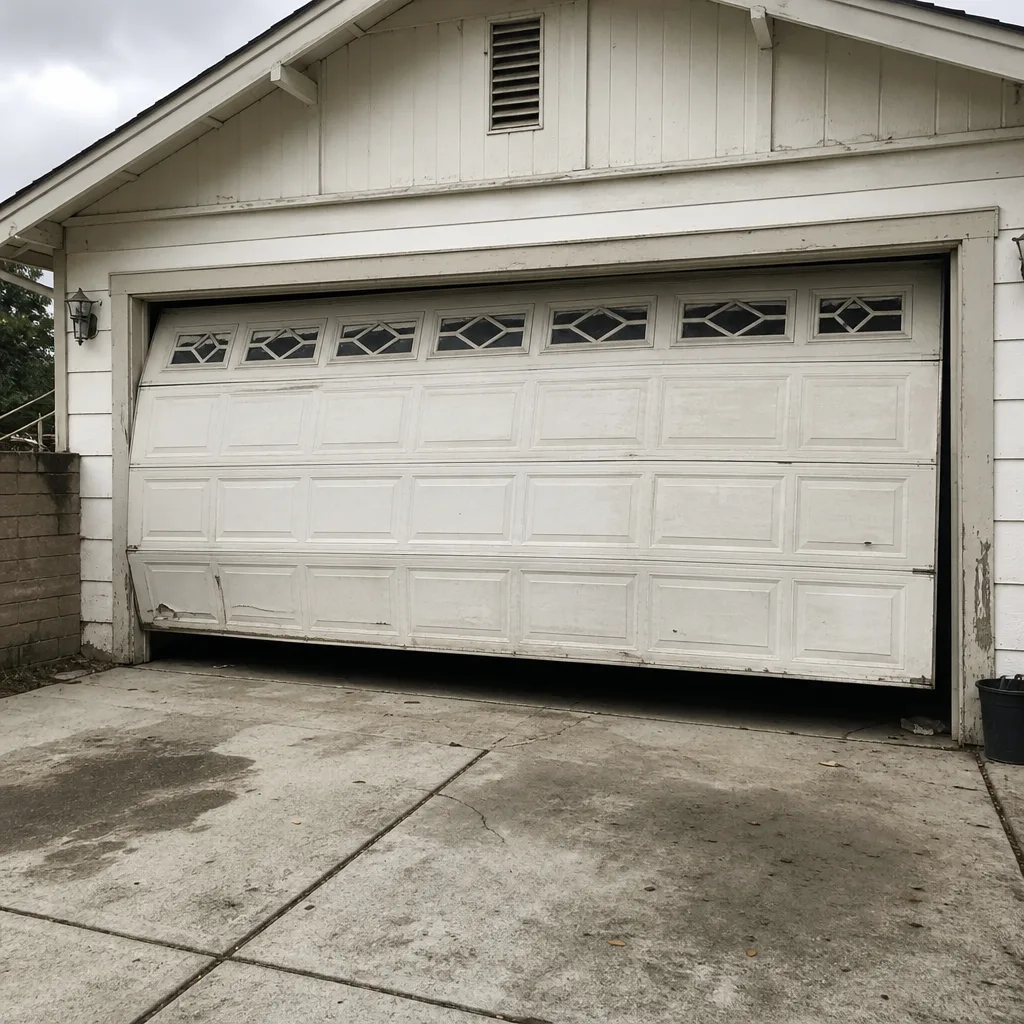 Before
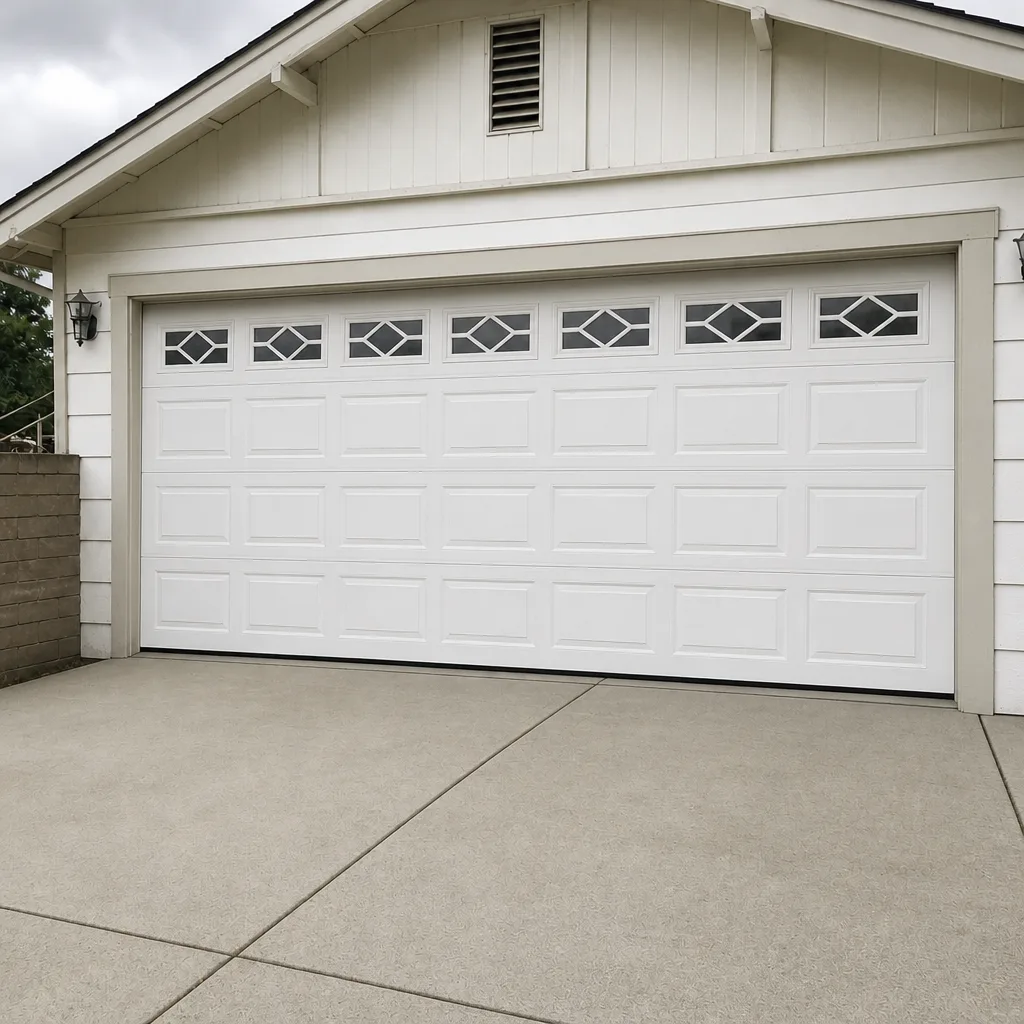 After
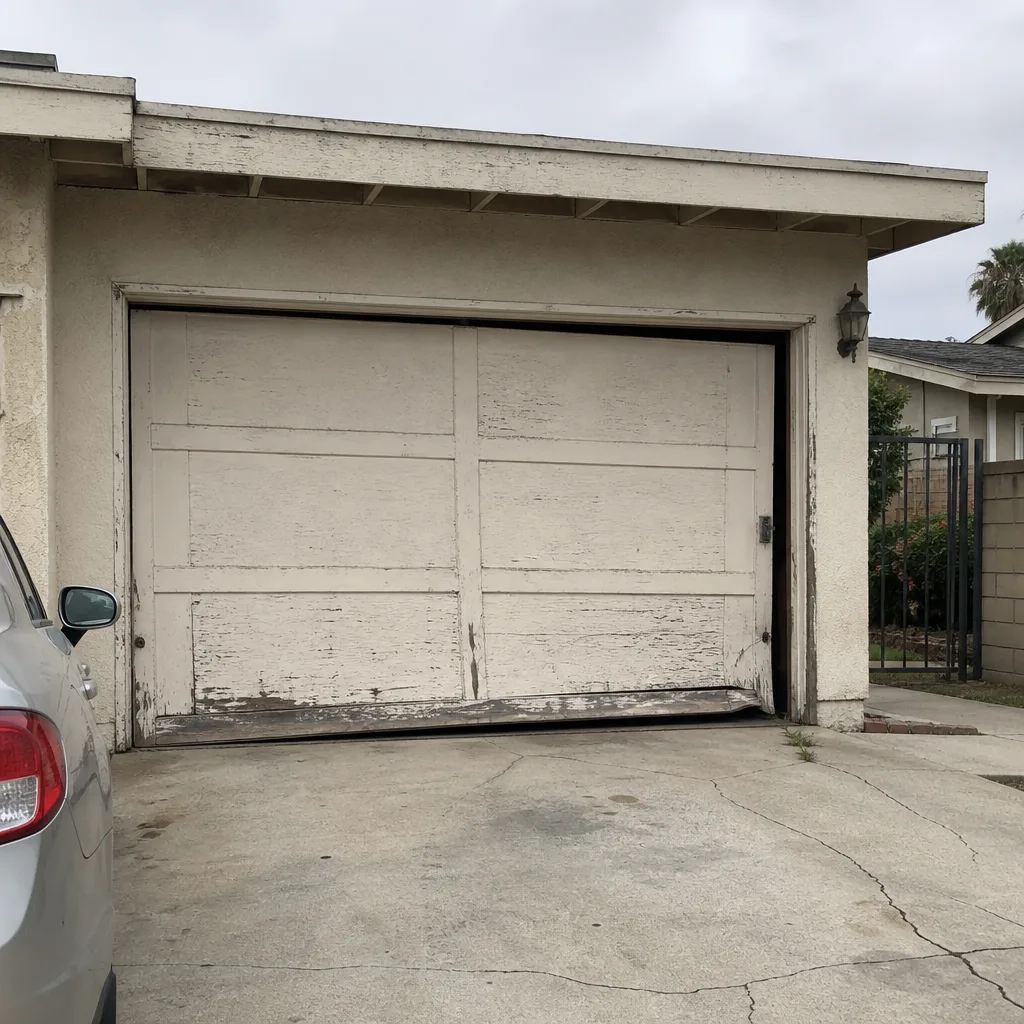 Before
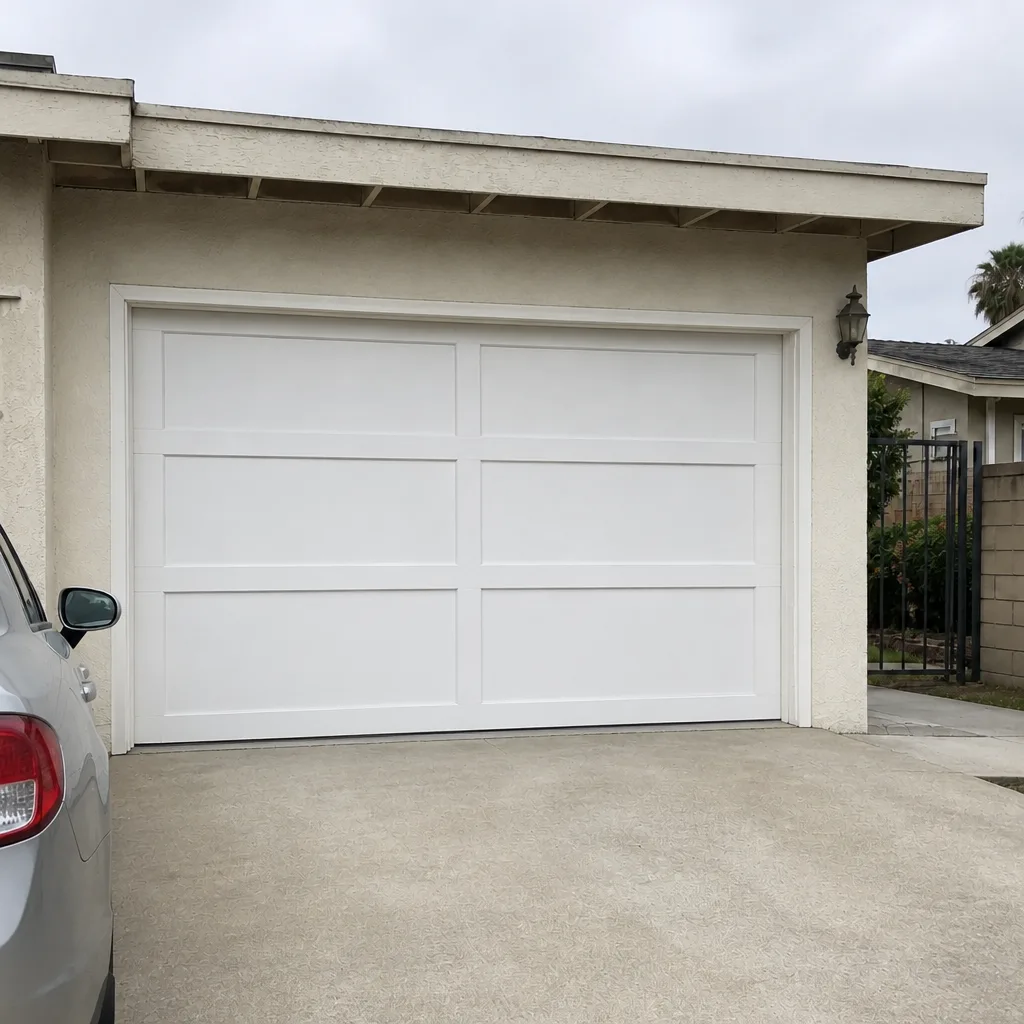 After
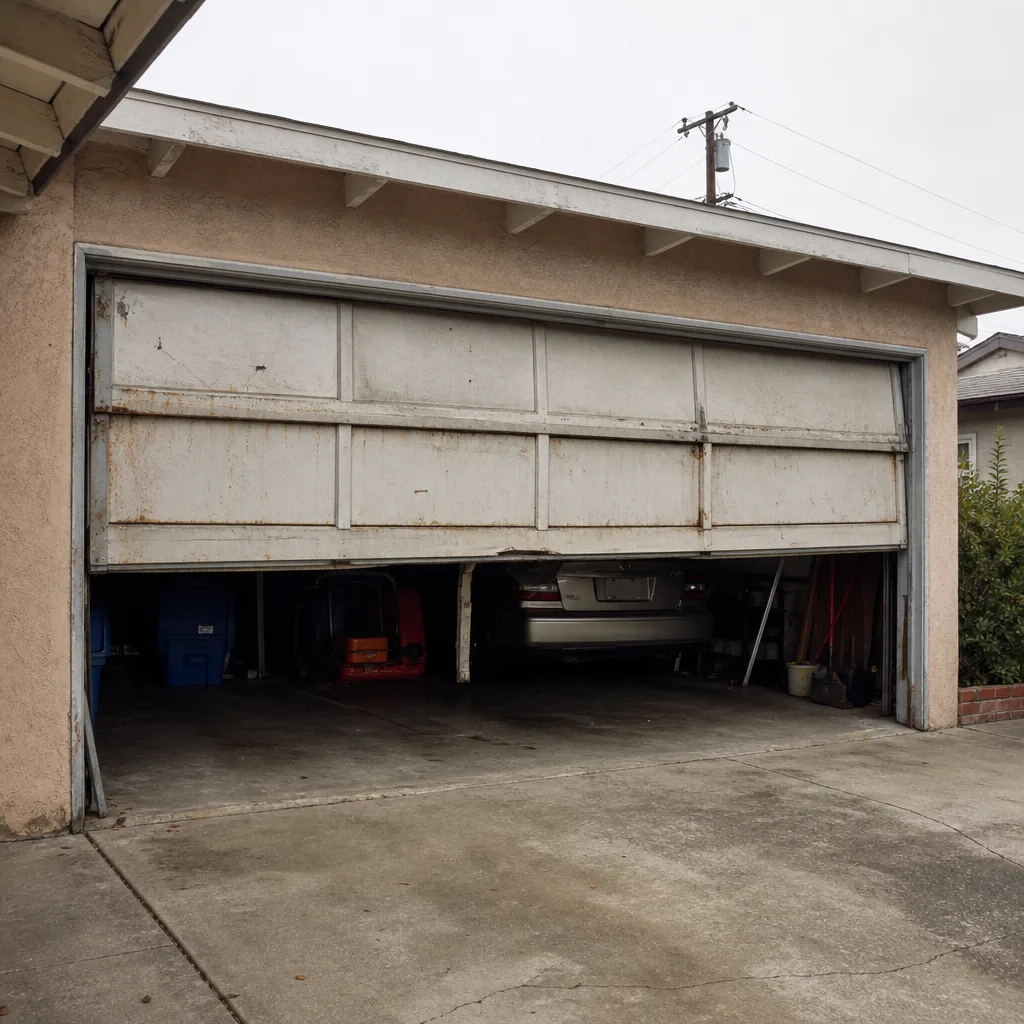 Before
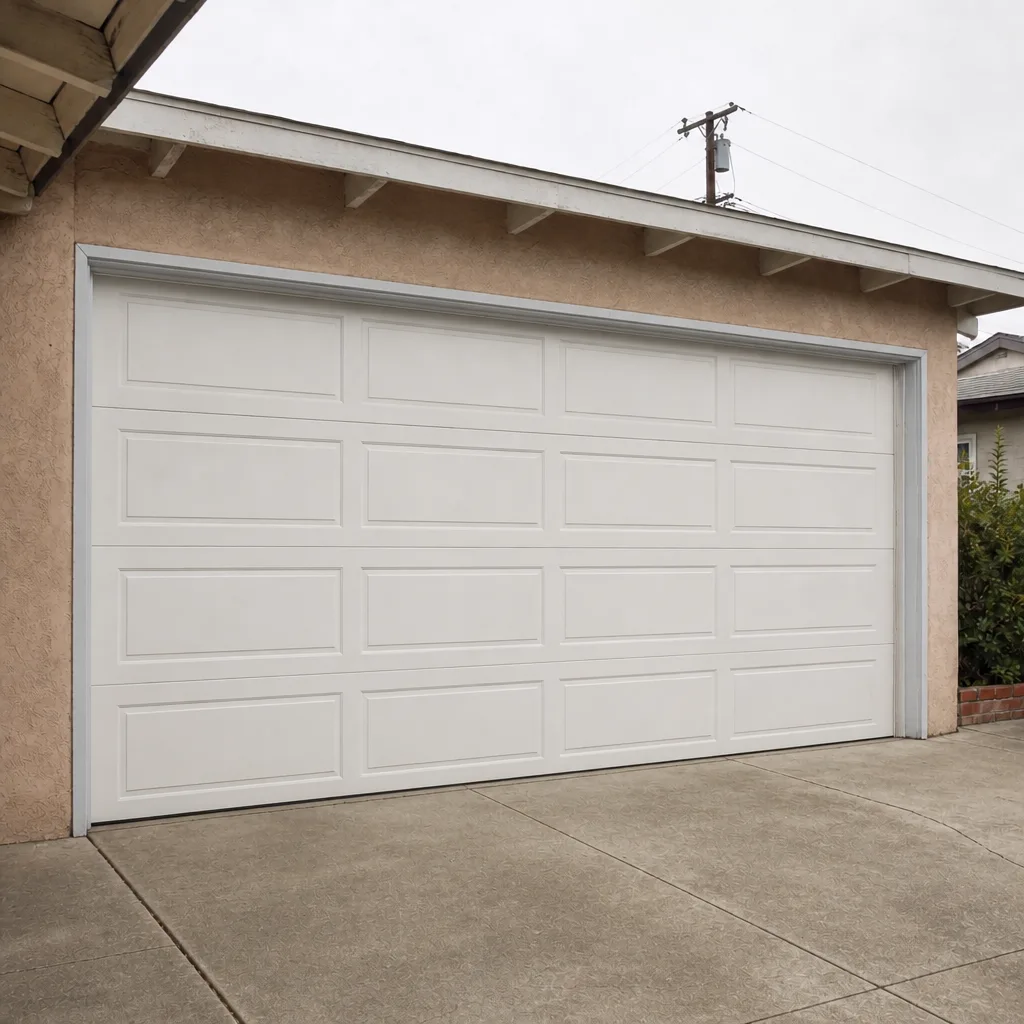 After