
Last updated November 4, 2026
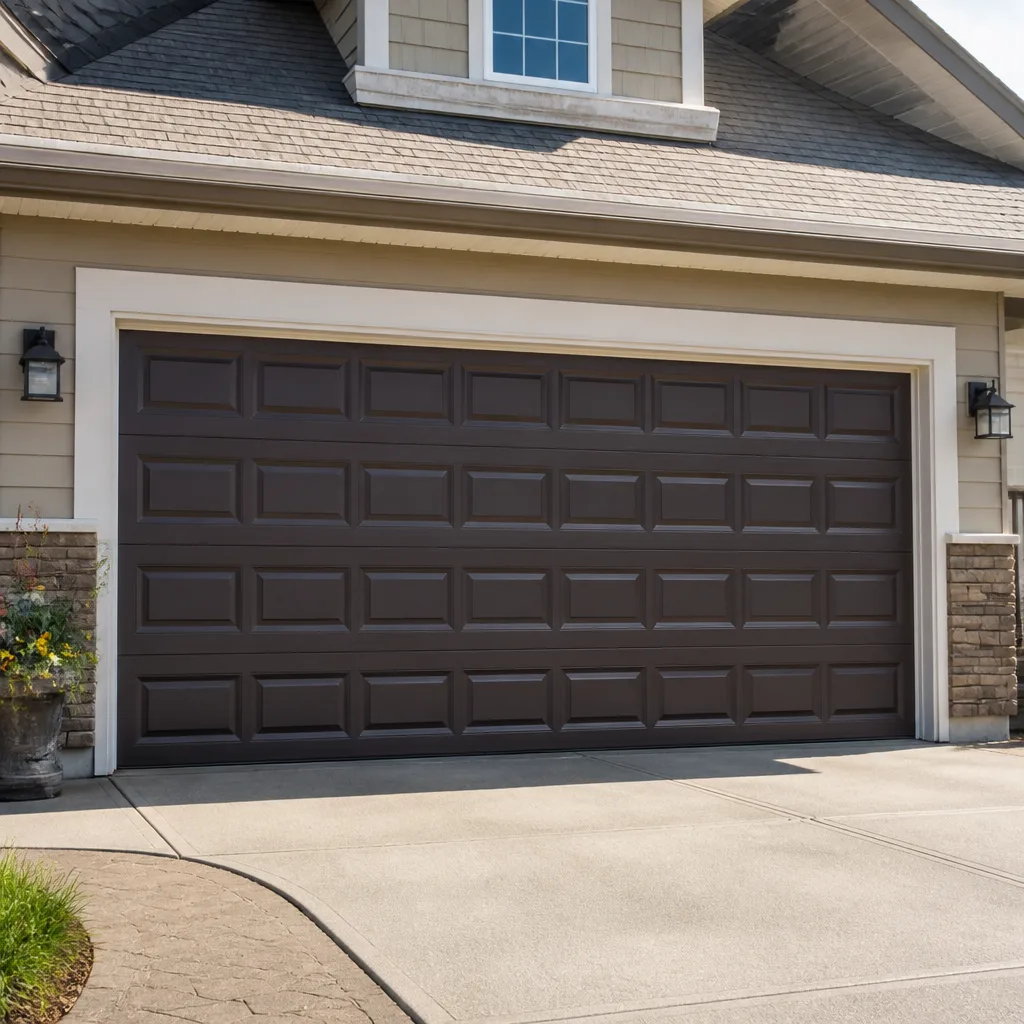 Raised-panel steel
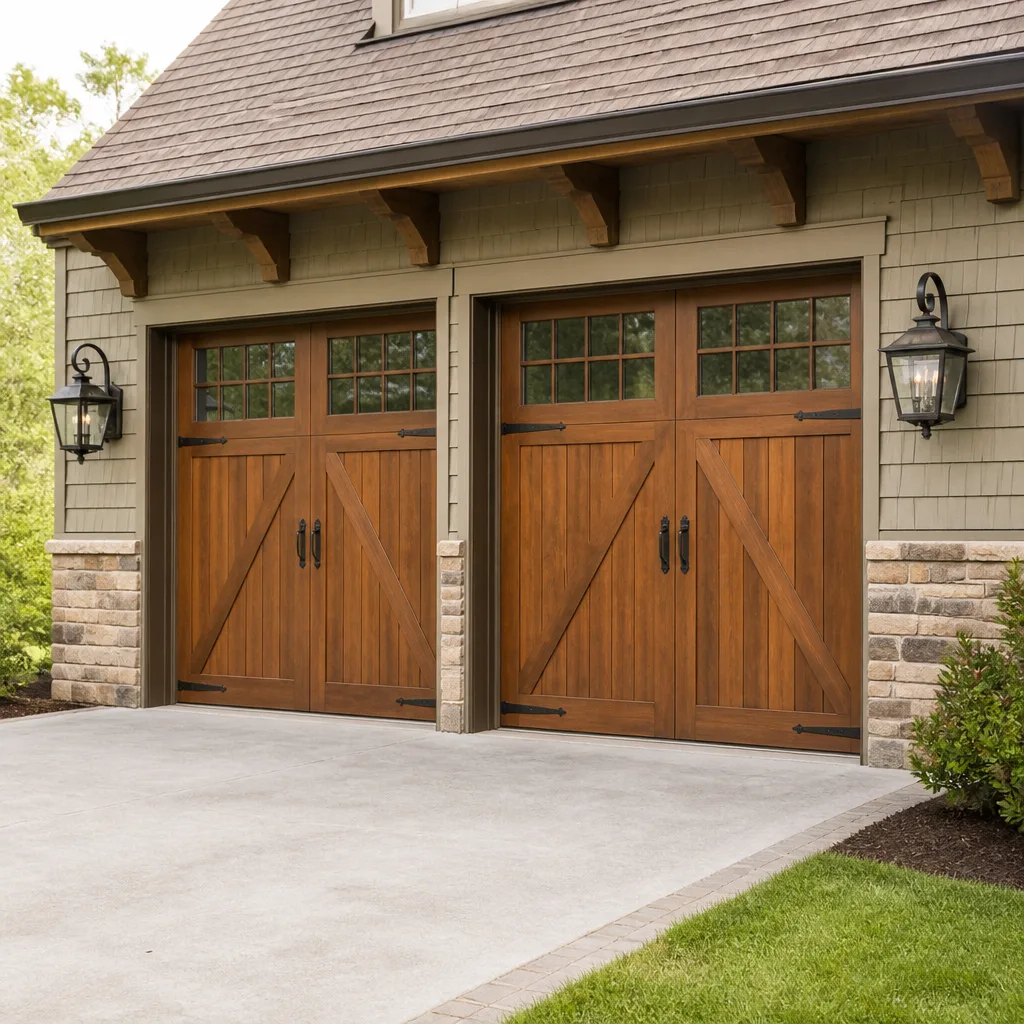 Carriage house
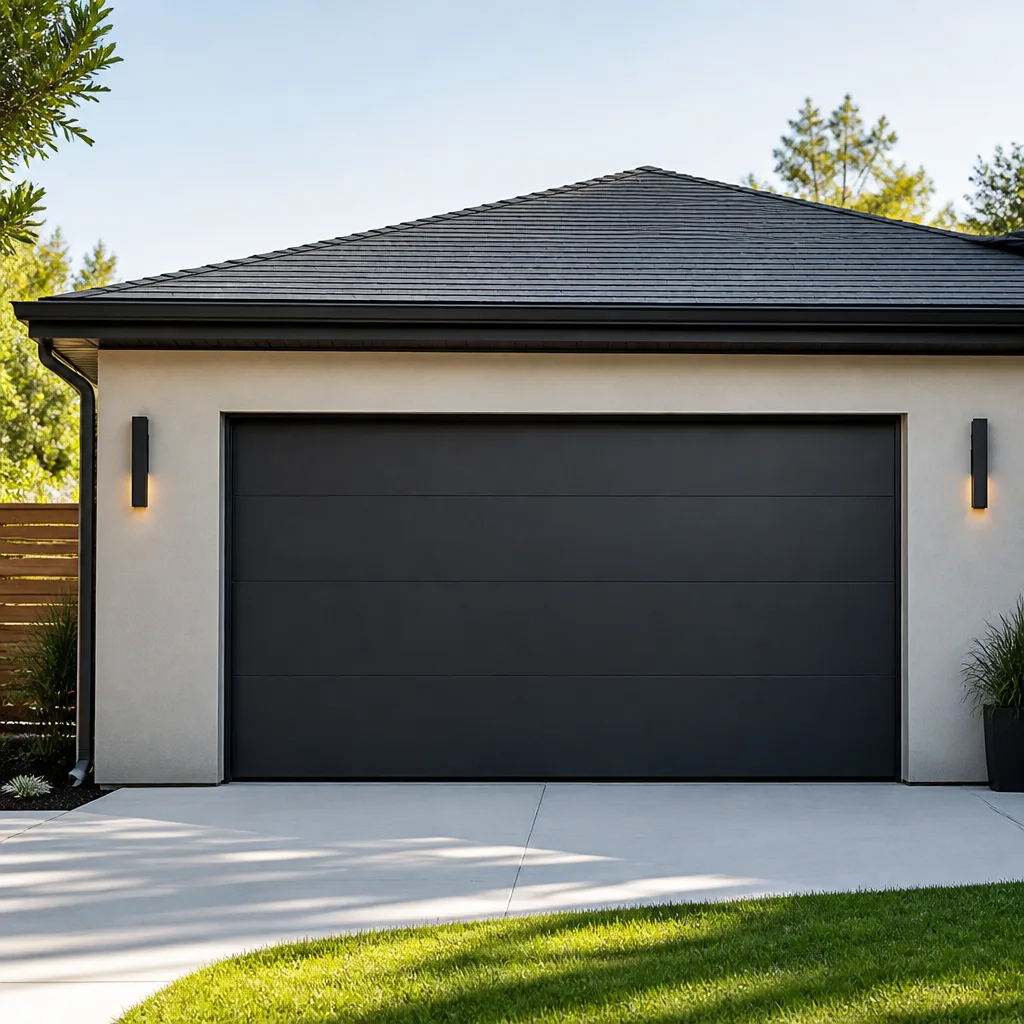 Modern flush
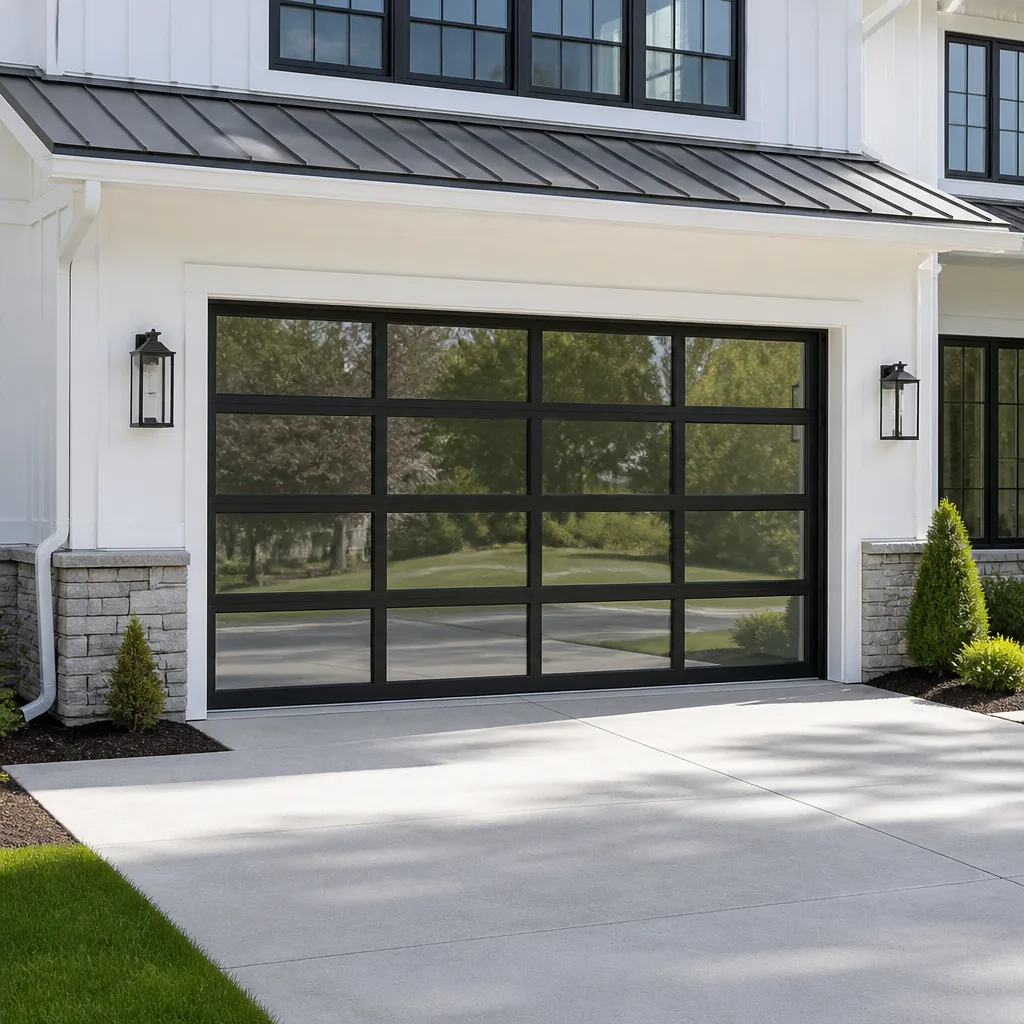 Full-view glass
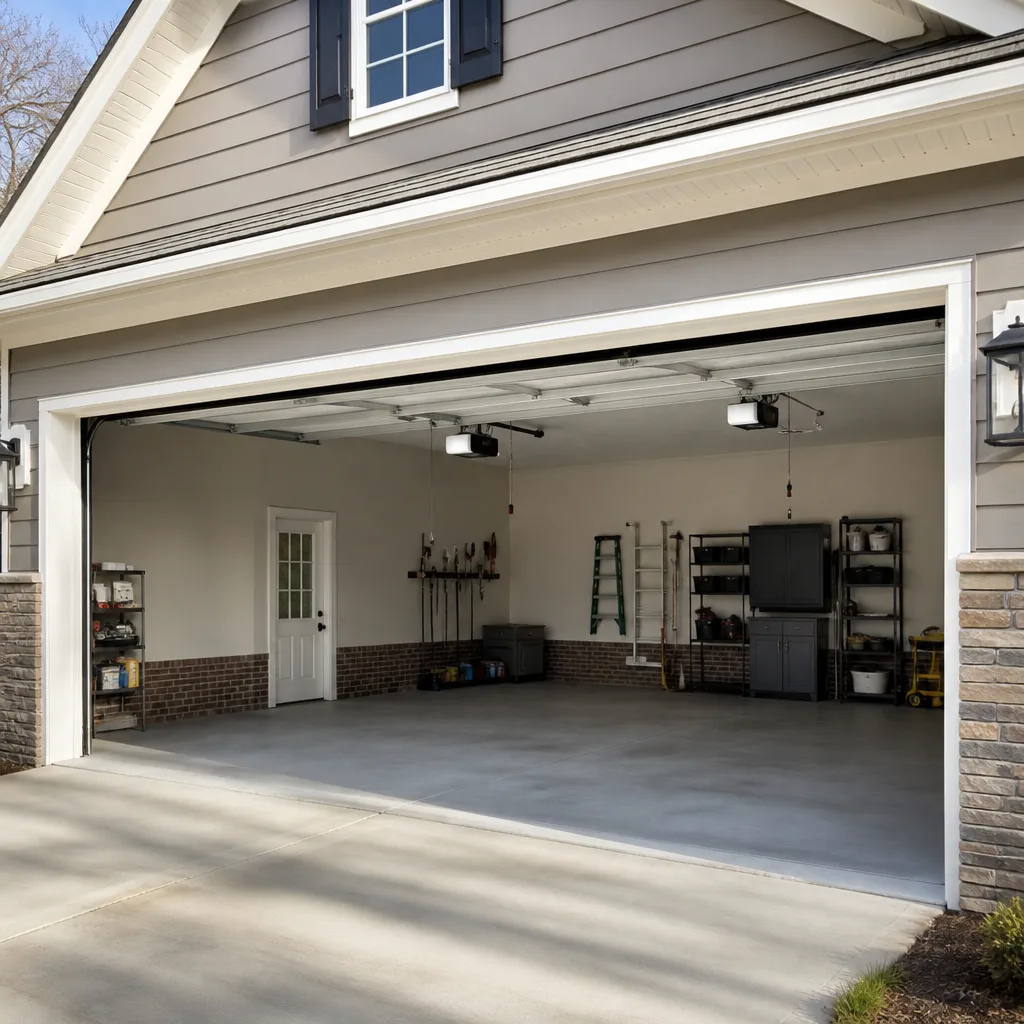 LiftMaster openers
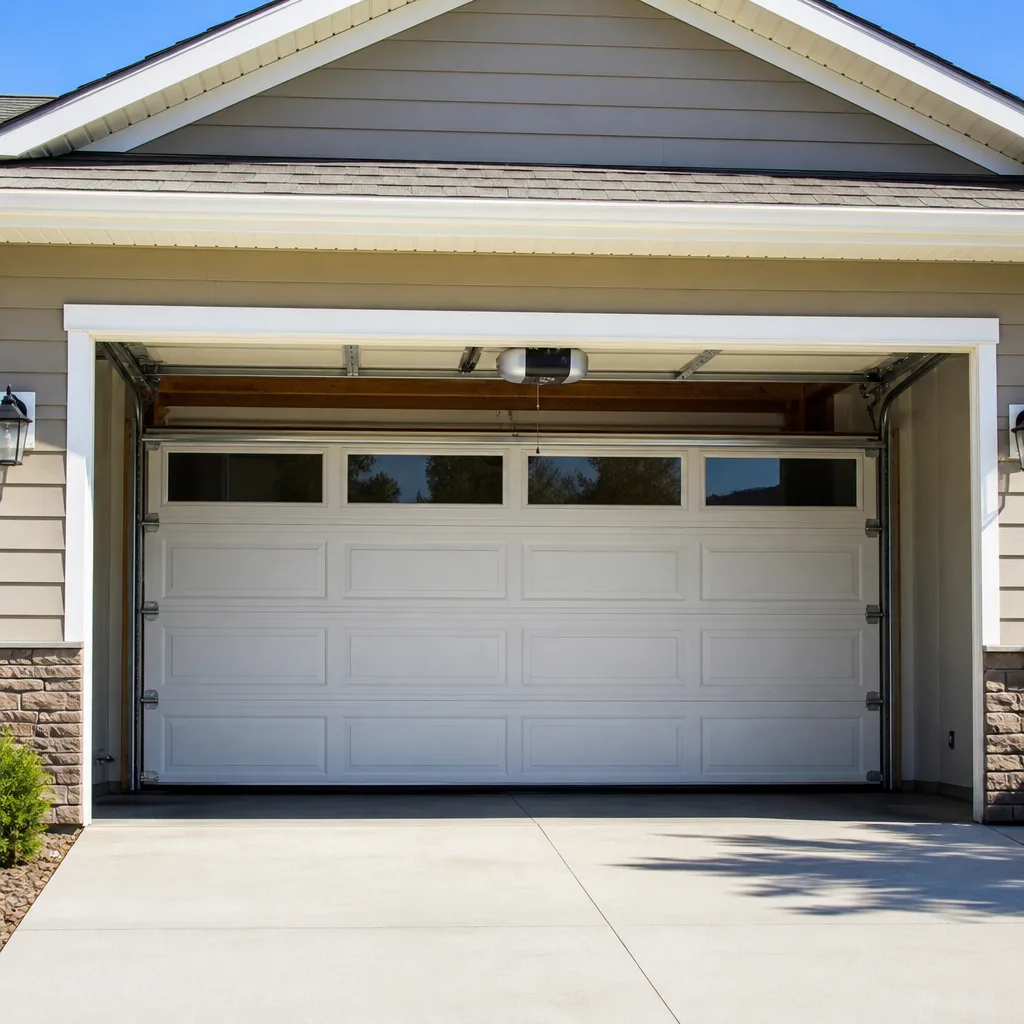 Chamberlain openers
Full 25-point door and opener safety check with every visit - springs, cables, rollers, tracks, and your LiftMaster or Chamberlain opener included
You get a price before we start. It does not change when the truck arrives.
Get your free estimateThe Complete Guide to Garage Doors in Highland
Most garage door guides are written for climates with four seasons. Highland, CA gets two: scorching and mild. That changes which materials last, which openers struggle, and which springs fail first. We’ve spent 12 years working on doors throughout this city, and the failures we see repeat in patterns tied directly to Highland’s elevation, inland heat, and the way its homes were built. This guide maps the full door lifecycle to those local realities, so you’ll know what to expect from your equipment, when a repair makes sense, and when replacement is the smarter money.
Styles & brands we work with
- Raised-panel steel
- Carriage house
- Modern flush
- Full-view glass
- LiftMaster openers
- Chamberlain openers
Quick Answer
A garage door in Highland, CA faces three main forces: sustained heat above 100°F, dry inland air, and wind exposure from the Cajon Pass corridor. A well-maintained door here should last 15 to 20 years, with springs typically needing replacement every 7 to 9 years and opener motors lasting 10 to 12. The best approach for most Highland homeowners is annual tune-ups, spring replacement at the first sign of imbalance, and opener replacement only when the motor or circuit board fails rather than when a remote stops working.
Table of Contents
- How Highland’s Climate Affects Your Door
- What Highland’s Tract-Home Construction Means for Replacement
- Springs: The Part That Fails First
- Openers and the Inland Heat
- Materials That Work in Highland
- Repair vs. Replace: The Real Decision Threshold
- Permits and Code in San Bernardino County
- A Maintenance Schedule That Actually Works
- Common Mistakes to Avoid
- When to Call a Professional
- Frequently Asked Questions
- The Bottom Line
How Highland’s Climate Affects Your Door
Highland sits at roughly 1,300 feet of elevation in the Inland Empire, which means summer temperatures regularly climb past 100°F and stay there for weeks at a time. That sustained heat does specific things to garage door components, and it does them faster than homeowners in coastal California ever experience.
The first casualty is usually the torsion spring. Garage door springs are made of oil-tempered steel, and every cycle of opening and closing the door winds and unwinds that steel under tension. Heat accelerates the metal fatigue process. In Highland, a spring rated for 10,000 cycles often delivers 7,000 to 8,000 cycles before failing because the metal loses temper faster at sustained high temperatures. What this means practically: a spring that might last nine years in a mild coastal climate tends to fail in seven to eight years here.
The second casualty is rubber. Bottom seals, weatherstripping around the jambs, and the rubber gaskets inside your opener’s belt or chain system all degrade faster in dry, hot air. Highland’s inland air has very low humidity, and that desiccation makes rubber brittle. We routinely see bottom seals in Highland homes cracked and shrunken after three summers, while the same seal in a coastal neighborhood might last five or six years. A cracked bottom seal isn’t cosmetic. It lets dust, rodents, and 105-degree air into your garage, which matters a lot if you have a home gym, a workshop, or a second refrigerator out there.
The third factor is wind. Highland sits near the Cajon Pass corridor, one of the windiest geographical features in Southern California. Gusts hitting the face of a garage door create lateral pressure that works against the track system, the rollers, and the hinges. Over years, that pressure loosens hardware and accelerates roller wear. A door in a wind-exposed part of Highland may need roller replacement a year or two earlier than the same door in a sheltered neighborhood.
What Highland’s Tract-Home Construction Means for Replacement
Most of Highland’s single-family homes were built in tract developments, concentrated in a few distinct building booms. That construction style creates a specific complication when it’s time to replace a door: non-standard rough opening sizes.
Builders in the Inland Empire often framed garage openings to accommodate whatever door supplier they had under contract at the time. That means two homes on the same street, built by the same developer, can have rough openings that differ by an inch or more in width. A national guide that says “standard garage doors are 16 feet wide by 7 feet tall” ignores the reality we see weekly in Highland: plenty of openings are 15’9″ or 16’3″, and some older tracts have oddball sizes that don’t match any current stock door.
This matters for three reasons:
- Off-the-shelf doors may not seal correctly. A 16-foot door in a 15’9″ opening leaves gaps. A door that’s too wide gets pinched and binds.
- Custom-sizing adds cost and lead time. When a standard door won’t fit, the order becomes a custom product from the manufacturer, which adds weeks and several hundred dollars to the project.
- Track mounting points may need work. Older tract framing sometimes places the spring pad or track brackets in positions that don’t align with modern door systems.
The fix is simple: measure the actual opening before falling in love with a particular door model. We measure every job before quoting, and we never order a door until the rough opening dimensions are confirmed. If you’re in an older Highland tract, expect the conversation to include a discussion of how the existing framing will work with the replacement you choose.
Springs: The Part That Fails First
Torsion springs do the heavy lifting on almost every residential garage door in Highland. They counterbalance the weight of the door, which for a double-car steel door can be 200 to 300 pounds. When a spring breaks, the door becomes almost impossible to lift by hand, and if the opener tries to lift it anyway, the motor strains against the full weight and burns out.
In Highland’s heat, springs fail on a predictable schedule. Here’s how the typical lifecycle looks:
- Years 1-5: The spring operates normally. No action needed beyond visual checks during tune-ups.
- Years 6-7: You may notice the door feels heavier or the opener sounds strained. This is early fatigue. It’s not yet a failure, but it’s a signal the spring is entering its last stretch.
- Years 7-9: Most Highland springs fail somewhere in this window. The break usually happens when the door is closed, and it sounds like a gunshot from inside the house.
- After replacement: A new spring, properly sized and lubricated, resets the clock for another seven to eight years.
One spring or both? Torsion systems on double doors typically use a pair of springs. When one breaks, both are at the same age and have gone through the same number of cycles. We replace both together as a matched pair. Replacing only the broken one means the older spring fails six months later, and you pay for two service calls instead of one.
Spring repair is not a DIY job. The tension stored in a wound torsion spring is enough to cause serious injury if the winding tool slips. We recommend a trained technician for any spring work, and we stock the common sizes for Highland homes on our trucks so repair can usually happen in one visit.
Openers and the Inland Heat
Garage door openers in Highland have a harder life than most homeowners realize. The motor sits in an uninsulated garage, subject to ambient temperatures that can exceed 110°F in summer. That heat does two things: it degrades the lubricant inside the motor bearings, and it stresses the capacitors on the circuit board. Capacitor failure is one of the most common reasons an opener stops responding to remotes while still making a clicking sound.
The newer generation of smart openers adds another layer. Wi-Fi-enabled units from LiftMaster and Chamberlain rely on internal processors and pairing chips that generate their own heat. In a 110-degree garage, the combined thermal load can cause intermittent failures: the opener works fine in the morning, then refuses to respond to the app at 3pm. If you’re experiencing a smart opener that works inconsistently, the heat in your Highland garage is often a contributing factor.
What should you do?
- Listen to the motor. A strained, slower-than-normal open is a sign the motor is working against a failing spring or dry rollers, and in Highland’s heat, that extra load kills motors faster than anywhere with mild summers.
- Check the logic board. If the wall button works but remotes don’t, the board may be failing. Replacement boards cost less than a new opener, but only when the motor is still sound.
- Consider ventilation. A simple vent or turbine vent in the garage ceiling reduces peak temperature by 10 to 15 degrees, which extends the life of the opener electronics significantly.
Our garage door opener repair work covers both legacy chain-drive units and modern smart-home-connected systems. If your opener is over 12 years old and the motor is laboring or the board is dead, replacement is usually the better financial decision than repairing a unit that’s at the end of its service life anyway.
Materials That Work in Highland
The national guides recommend wood doors for some architectural styles, but wood in Highland is a poor choice for most homes. The dry heat warps and cracks wood panels within a few seasons, and the maintenance burden never ends. We see wood doors in older Highland custom homes that need repainting every other year just to hold off the sun damage.
For Highland’s climate, these are the materials that hold up:
- Steel with a thermal break. The most common and most practical choice for tract homes. A steel door with a polyurethane core holds up to Highland’s heat well and doesn’t warp. Paint holds better on steel than on wood in dry heat.
- Aluminum with glass panels. Seen on modern and mid-century homes in Highland. Aluminum doesn’t rust or warp, but the glass panels can turn the garage into a greenhouse. If you like the look, choose insulated glass and plan for the garage to be warmer.
- Fiberglass composite. A newer option that mimics wood grain without the maintenance. It handles the heat well and doesn’t crack like wood. It costs more than steel but less than premium wood.
For brand-specific choices, the doors we install most often in Highland come from Clopay and Amarr. These two lines cover the majority of what Highland homeowners actually buy, from budget steel to insulated carriage-house designs. Wayne Dalton and Raynor also make solid products that work well in this climate. The decision usually comes down to price point, insulation value, and the aesthetic you’re trying to match on the home’s front elevation. We work across all four brands plus Craftsman for opener-heavy projects, so the conversation starts with your house, not with what we happen to have in stock.
Repair vs. Replace: The Real Decision Threshold
In Highland, replacement makes sense earlier than in milder climates because the heat accelerates the aging of everything at once. Here’s our honest framework for deciding:
Repair when:
- The door itself is under 12 years old and structurally sound.
- The problem is a single component: one spring, a set of rollers, a hinge, or an opener board.
- The panels are intact with no significant rust or dent damage.
Replace when:
- The door is over 15 years old and two or more major components need work.
- The bottom panel is rusting out or has impact damage that compromises the seal.
- The rough opening requires a custom size anyway, and you might as well order a door that fits exactly.
- You want insulation value, and the existing door has none.
A rule of thumb that works well in Highland: if the combined repair cost exceeds 50% of a new installed door, replacement is the better long-term play. And unlike a car, a garage door replacement actually returns value at resale. Curb appeal matters in Highland’s real estate market, and a new door is one of the most visible exterior improvements you can make per dollar spent.
Our garage door repair work and installation work are both handled by the same technicians. That means when a repair no longer makes financial sense, the conversation about a replacement comes from the person who has actually been inside your door, not from a separate sales visit.
Permits and Code in San Bernardino County
Highland falls under San Bernardino County building code, and the permit rules here are different from what you’d encounter in LA County. Most garage door repairs do not require a permit: spring replacement, roller replacement, track adjustment, and opener work are all considered routine maintenance.
Replacement is where the trigger points live. A direct door-for-door swap in the same rough opening, with no structural changes to the header or side jambs, typically falls under the “like-for-like” exemption and does not require a permit. But if the project involves widening the opening, adding a second door where one was before, or any modification to the framing above the door, San Bernardino County will want a building permit and an inspection.
The practical guidance: if you’re replacing a door in an existing opening, ask the installer whether the job triggers anything before work starts. If you’re changing the footprint of the opening, call the county’s building department first. Most cities in San Bernardino County move faster than the bigger metro counties, but the fastest permit is the one you never needed.
A Maintenance Schedule That Actually Works
Highland’s climate rewards owners who stay ahead of small wear, because small wear becomes big wear faster here. Here’s a schedule that matches what we actually see work:
- Every 6 months: Visually check the springs, cables, rollers, and bottom seal. Look for rust, fraying, cracked rubber, and anything that looks out of alignment. Do this when the garage is cool.
- Every 12 months: Have the door balanced checked. Disconnect the opener and lift the door manually. It should stay in place at the halfway point without drifting. If it drops, the springs are losing tension.
- Every 2 years: Lubricate the rollers, hinges, and springs with a silicone-based lubricant. Avoid WD-40; it attracts dust and gums up in Highland’s dry air.
- Every 3 years: Replace the bottom seal. In Highland’s heat, three years is about the service life of a rubber seal before it shrinks and cracks.
- Every 7-9 years: Budget for spring replacement. It’s not optional; it’s a wear item with a known lifespan.
We also recommend testing the safety reverse mechanism once a month. Place a 2×4 flat on the ground under the door’s path and close the door. It should reverse within two seconds of contacting the board. If it doesn’t, the force settings need adjustment or the safety sensors need attention. This is a simple test that prevents injury and property damage, and it takes less than a minute.
Common Mistakes to Avoid
- Ignoring a slow door. A door that opens slower than it used to is telling you the motor is straining. In Highland’s heat, that strain shortens motor life quickly. Address it early.
- Replacing only one spring. Both springs age together. Replacing one saves money today and costs you a second service call within the year.
- Buying a door without measuring the rough opening. Highland’s tract homes have non-standard openings. A door that doesn’t fit won’t seal or balance, and you’ll pay for it in energy loss and wear.
- Lubricating with the wrong product. WD-40 and similar petroleum sprays attract dust in Highland’s dry air and shorten component life. Silicone spray is the right choice for moving parts.
- Skipping the balance check. When a door falls fast from the halfway point, the springs are done. Waiting for them to break only damages the opener and risks injury.
- Treating smart opener issues as unfixable. Many intermittent failures in smart openers come from heat-stressed capacitors or dirty sensor lenses, both of which are repairable. Don’t replace a $400 opener because a $30 part failed.
- Choosing wood for a Highland garage. Unless you’re committed to annual refinishing, wood doors crack and warp in this heat. Steel, aluminum, or composite will look better longer with less work.
When to Call a Professional
Garage doors are heavy, under tension, and connected to electric motors. Three failure modes call for a professional immediately: a broken torsion spring (the door won’t lift and the opener groans), a door that has jumped its track (one side drops and the panels angle), and an opener that sparks, smokes, or makes grinding noises. These aren’t diagnostics you should attempt on a ladder with the door in the air.
Beyond emergencies, call before you replace. A knowledgeable eye separates a $300 repair from a $3,000 replacement, and the difference is usually visible in ten minutes. Prestige Garage Door Repair offers free estimates in Highland. Call (833) 593-5123. We answer 24/7. Fast dispatch from 7am to 7pm, Sunday through Friday.
Frequently Asked Questions
Spring replacement in Highland typically runs $180 to $340 for a single spring or $280 to $520 for a matched pair, depending on the door’s weight and the spring’s cycle rating. The written estimate we give before starting is the price you pay. Call (833) 593-5123 for an exact quote. Estimates are free.
A well-maintained garage door in Highland should last 15 to 20 years, with springs replaced every 7 to 9 years and the opener lasting 10 to 12 years. The heat shortens component life compared to coastal California, but regular maintenance recovers most of that difference.
Yes. We carry common spring sizes, rollers, hinges, and opener parts on our trucks for Highland service calls, and most repairs are completed in one visit. Call (833) 593-5123. We answer 24/7. Fast dispatch from 7am to 7pm, Sunday through Friday.
A like-for-like replacement in the existing opening typically does not require a permit in San Bernardino County. Modifying the opening size or structural framing does trigger a permit requirement. When in doubt, ask your installer to verify before work begins.
Yes. Torsion springs on a double door are a matched pair with identical age and cycle counts. If one has failed, the other is close behind. Replacing both gets you back to a balanced door and avoids a second service call within months.
Clopay and Amarr are the most common choices we install in Highland for their balance of price, durability, and insulation options. The best brand for your home depends on the opening size, the exposure to sun and wind, and your insulation goals. We’ll walk through the options during the free estimate.
The Bottom Line
Highland’s climate punishes garage doors in specific, predictable ways. Heat kills springs early, dries out rubber seals, and stresses opener electronics. Tract-home construction means your opening size may not be standard. And the right maintenance schedule, tuned to this location, extends the life of every component by years. The single most valuable thing you can do is check the door’s balance every spring and fall, replace seals before they crack, and treat the springs as the scheduled maintenance item they are. When you hit a decision point, Prestige Garage Door Repair will give you an honest read on whether a repair or replacement is the better money. We work on the brand you already own, and we cover every Highland neighborhood from the foothills to the flatlands.
Written by the team at Prestige Garage Door Repair, serving Highland since 2014.
See the difference
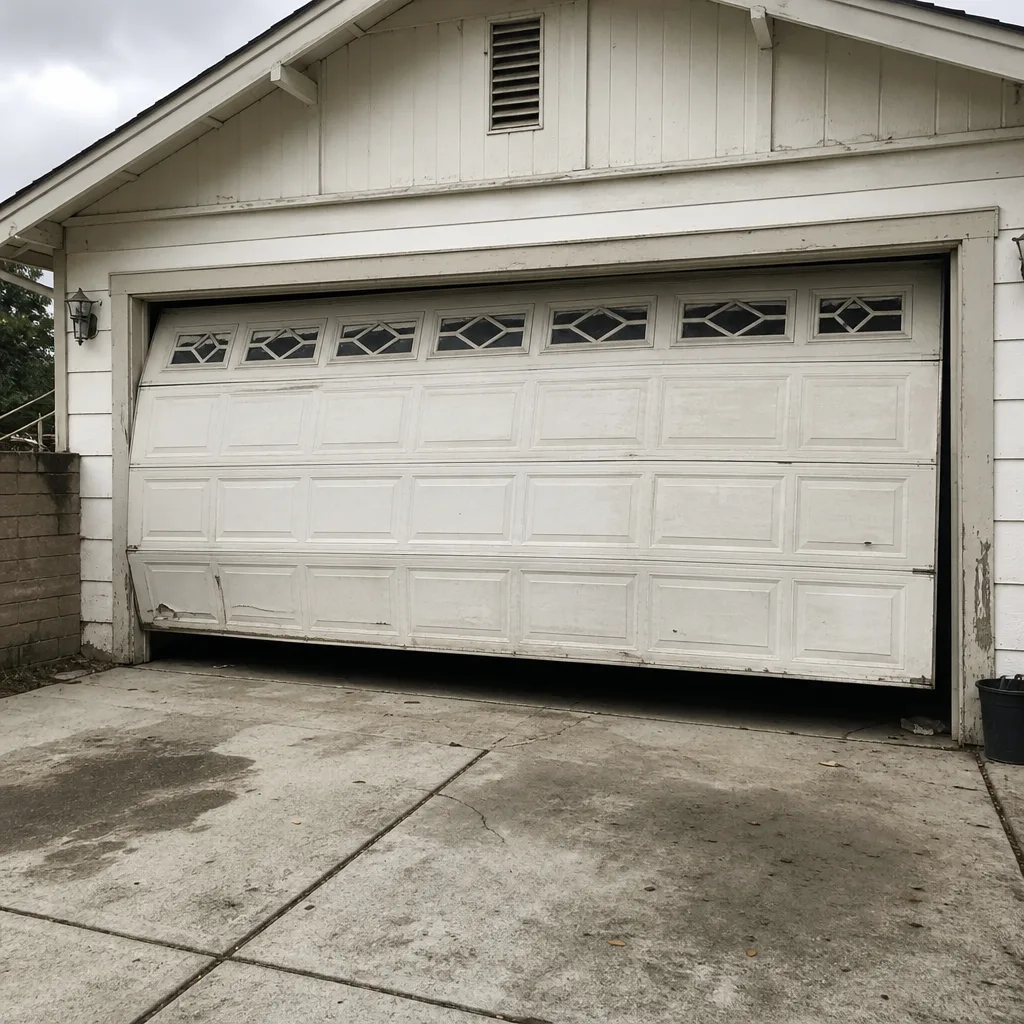 Before
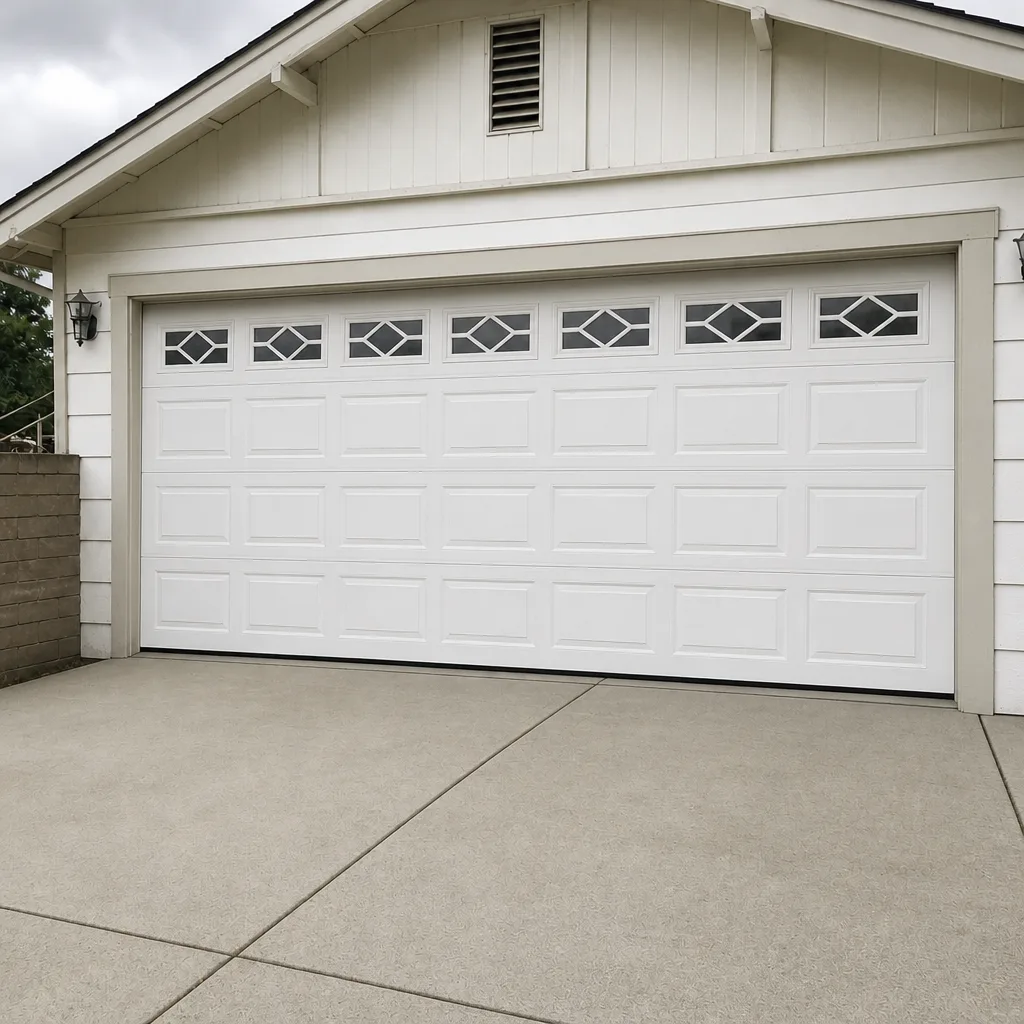 After
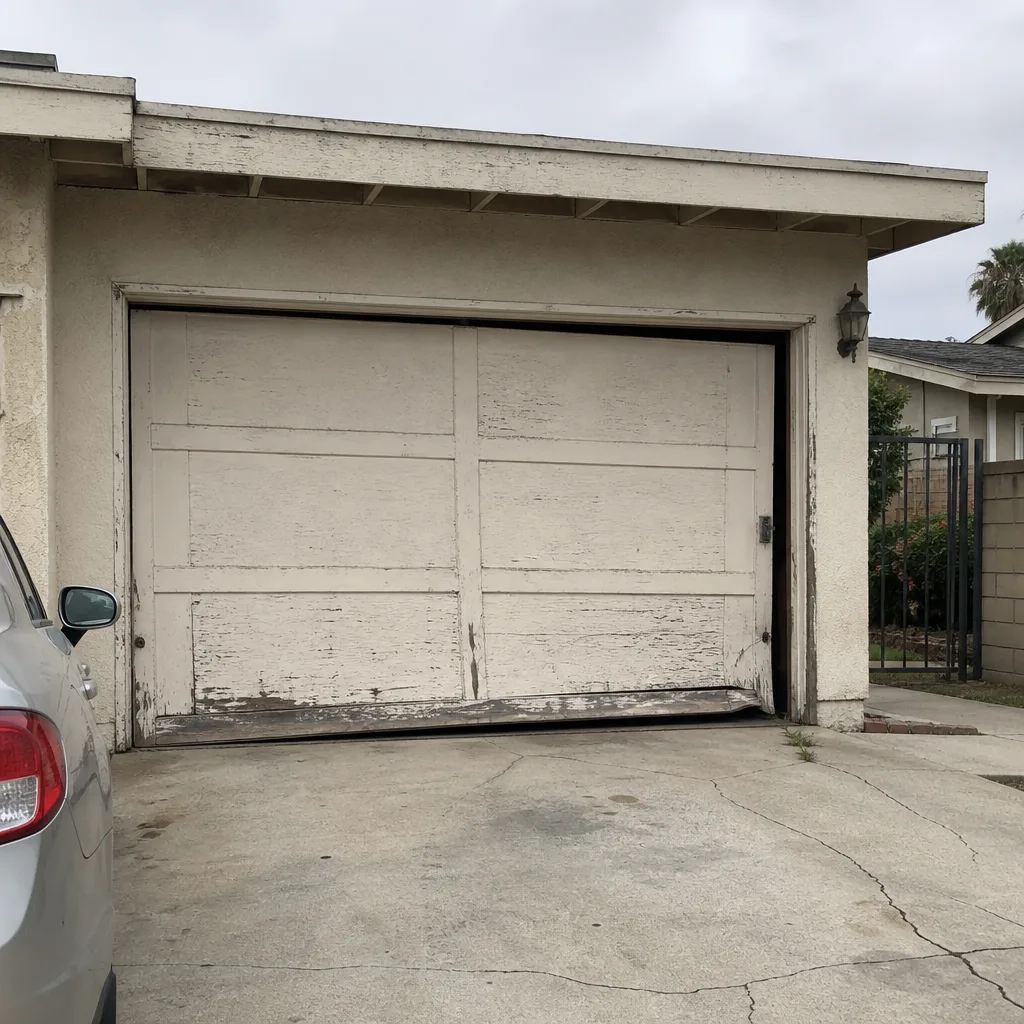 Before
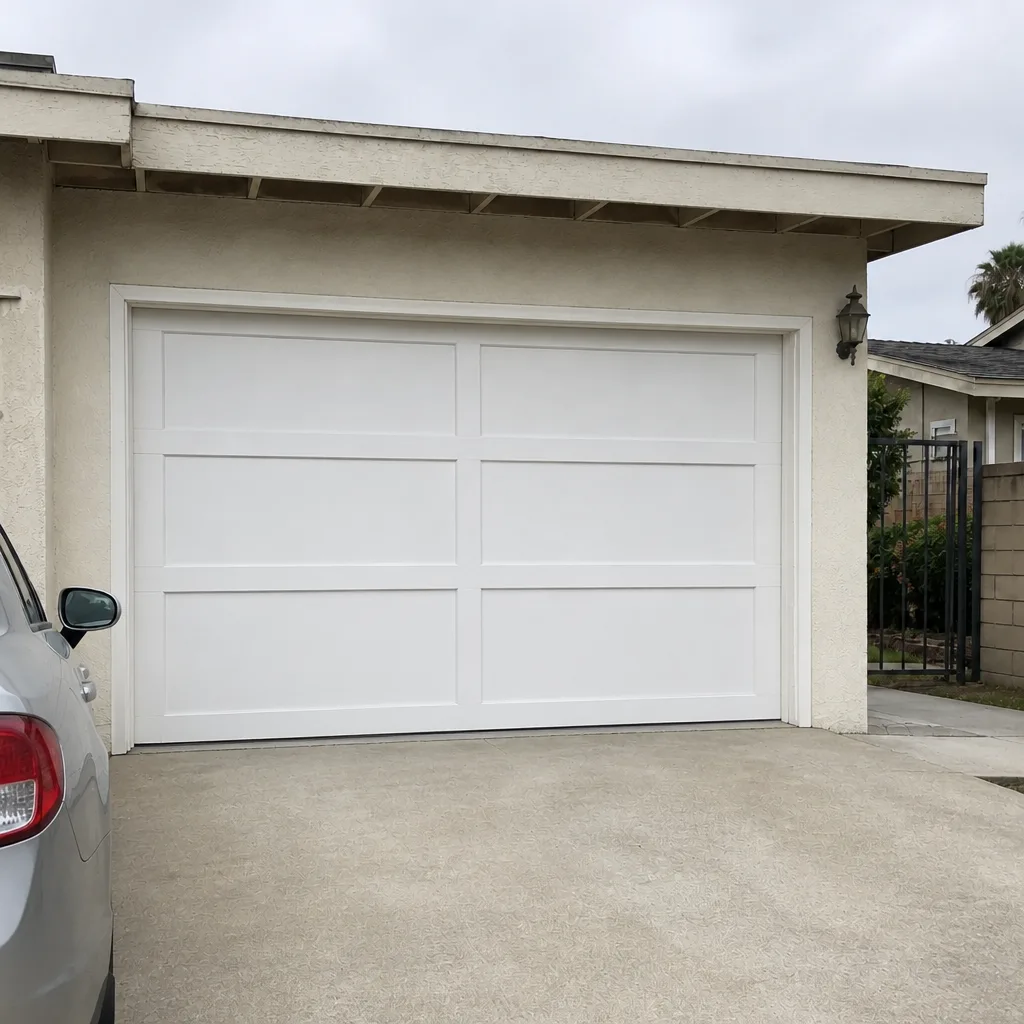 After
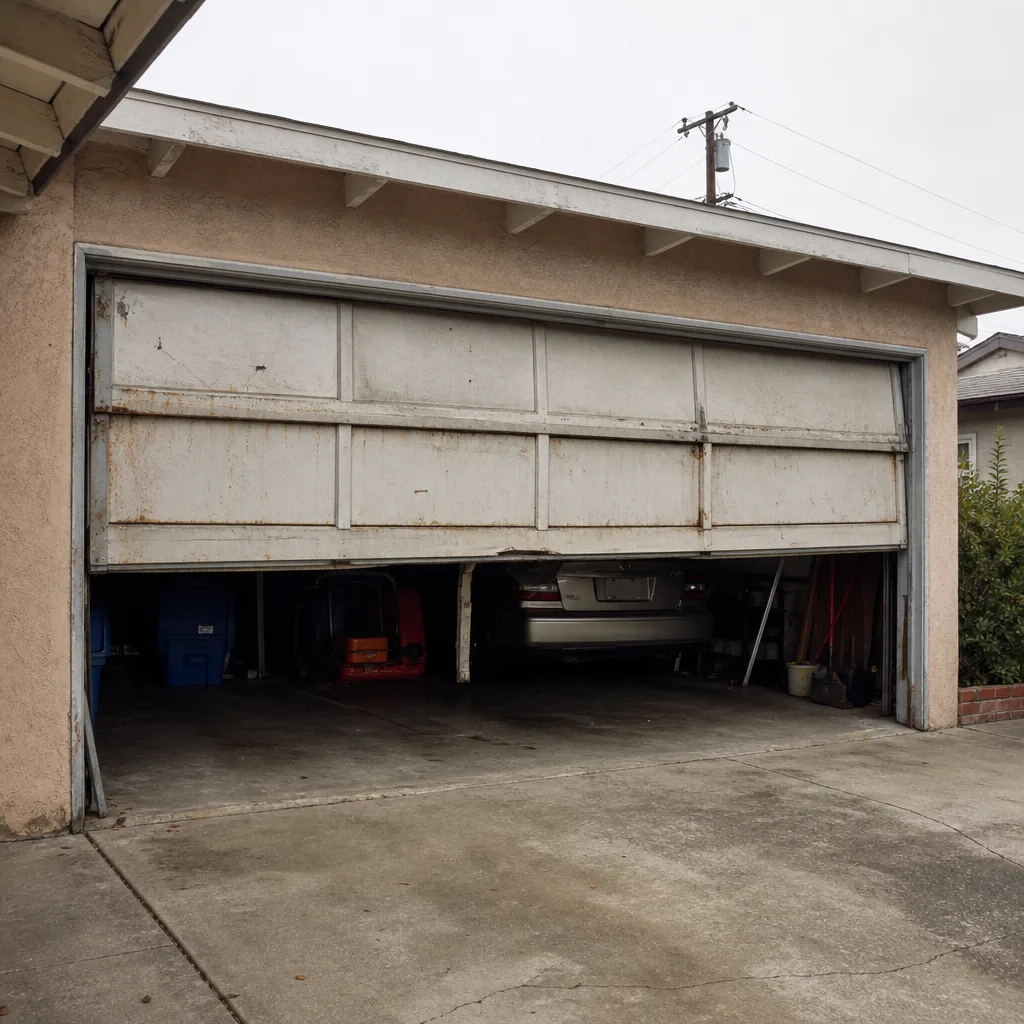 Before
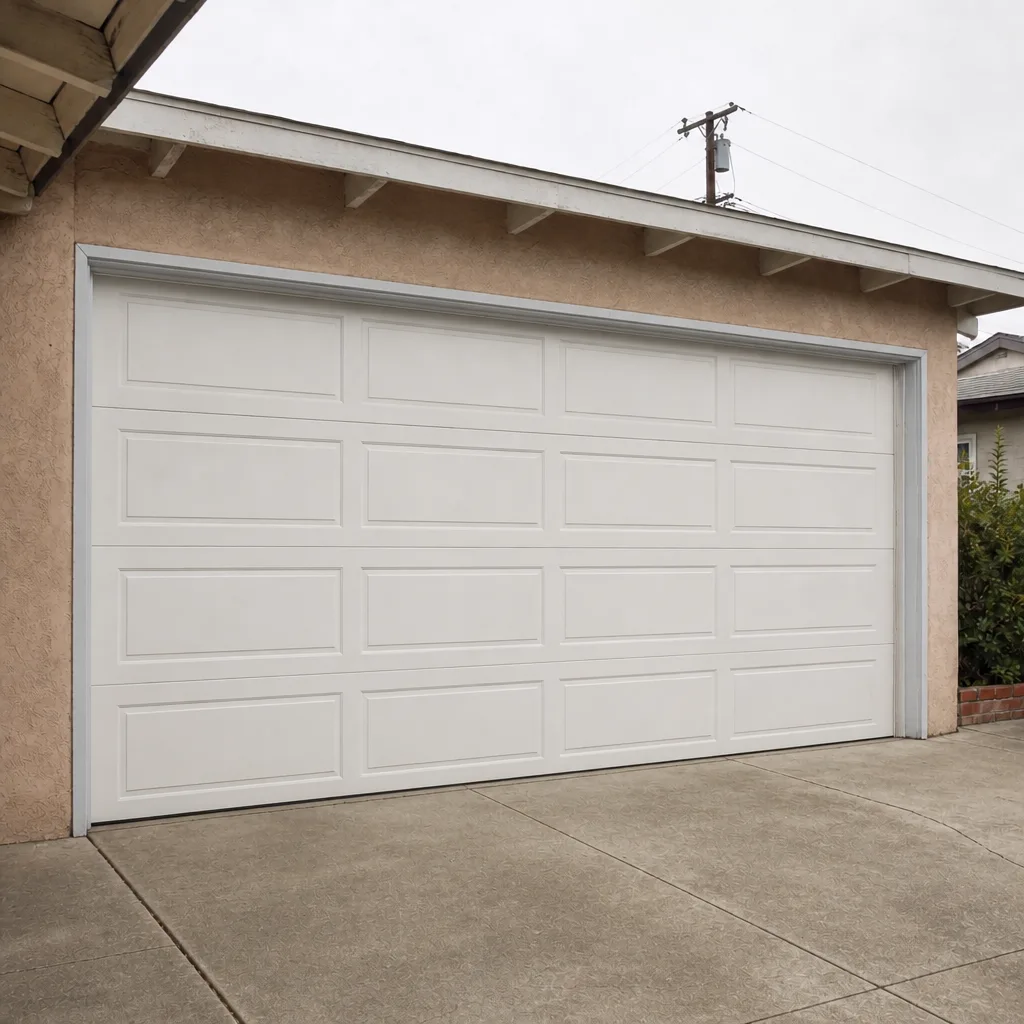 After