
Last updated November 4, 2026
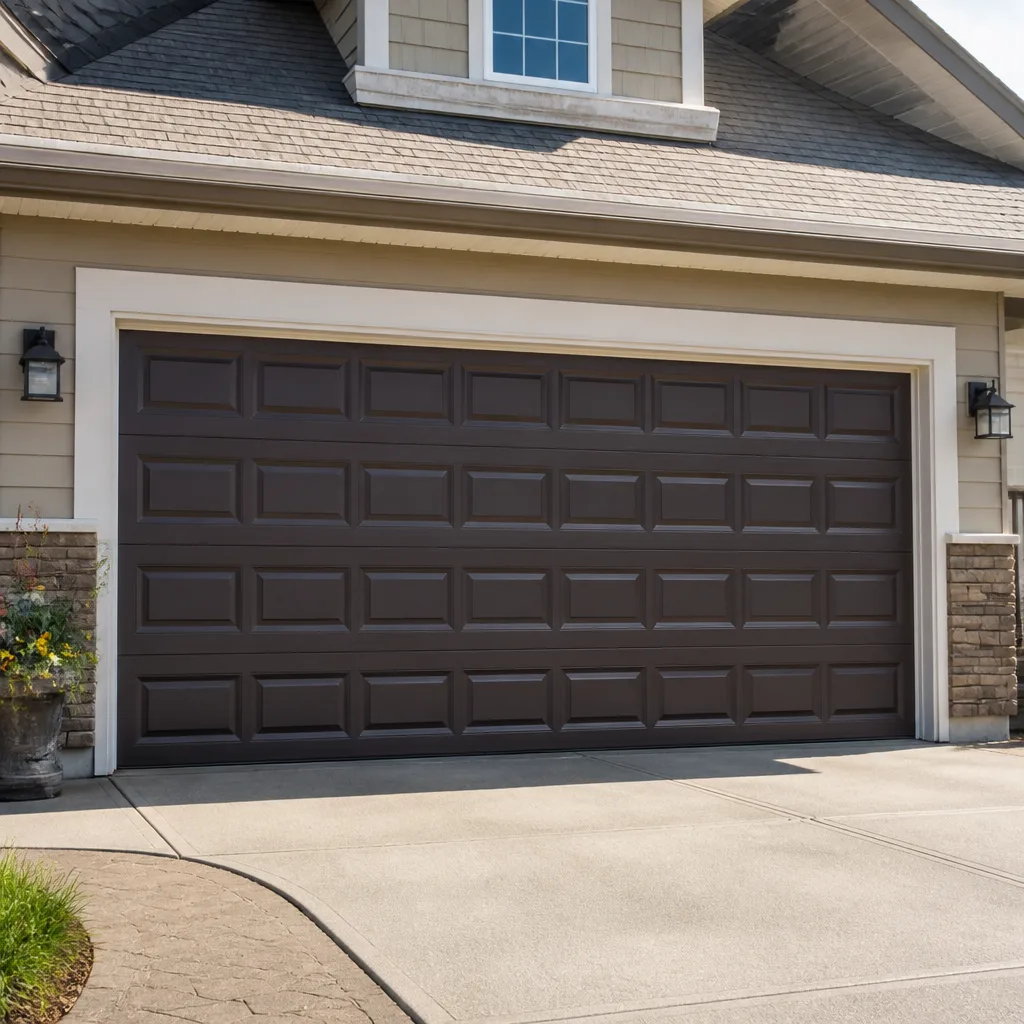 Raised-panel steel
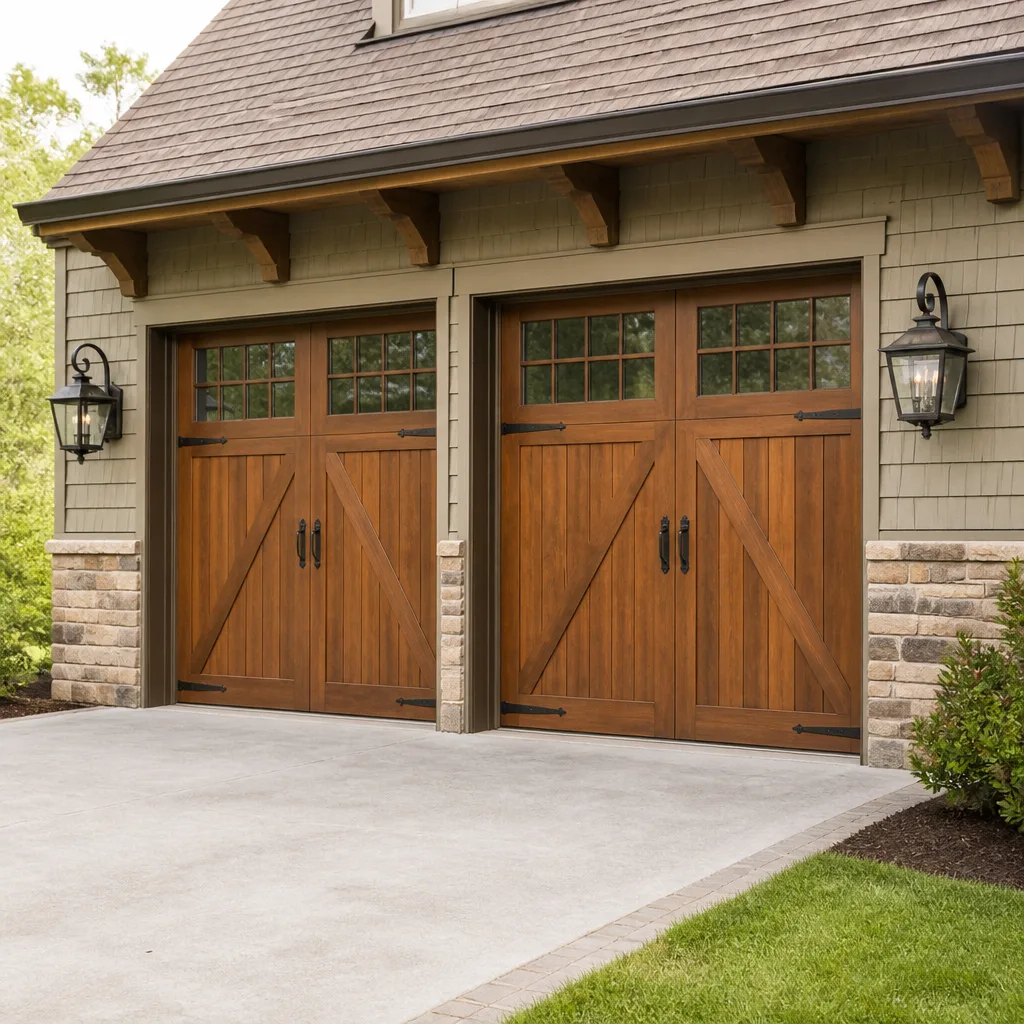 Carriage house
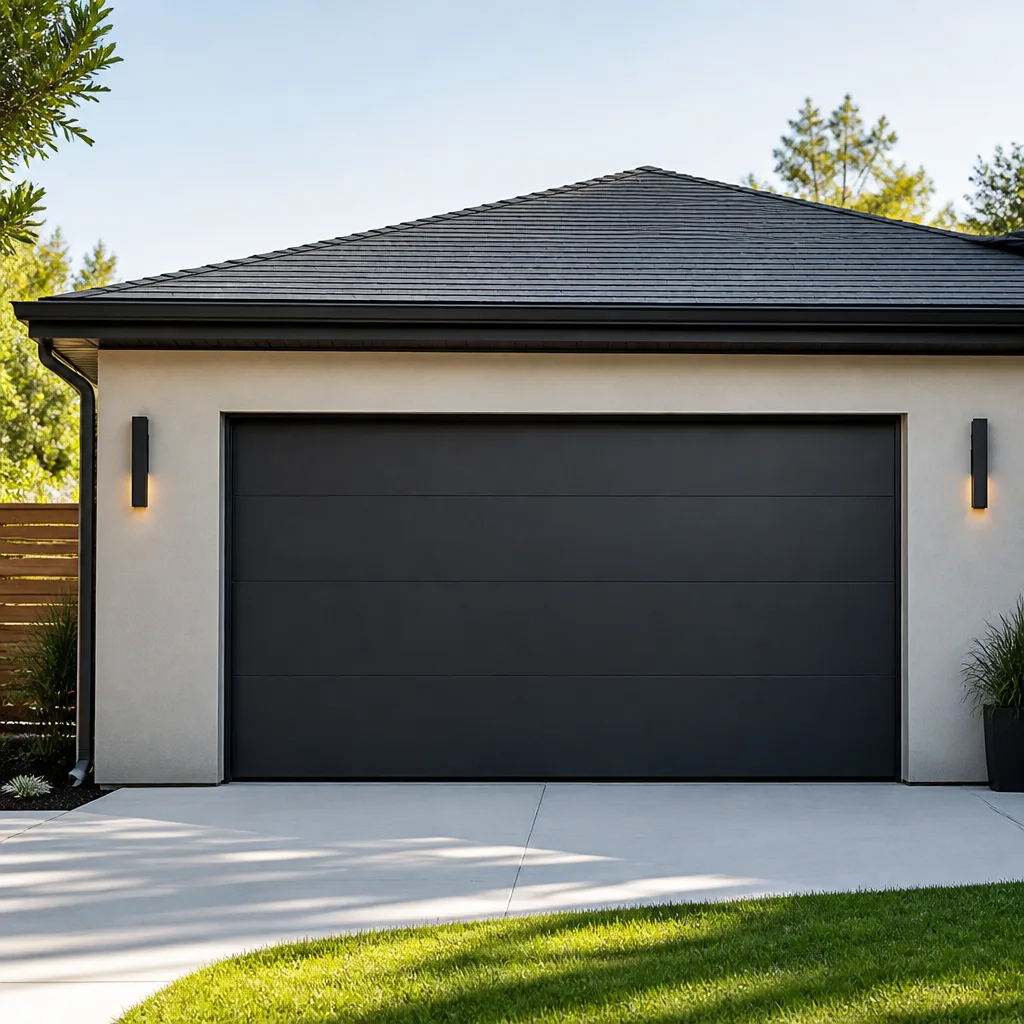 Modern flush
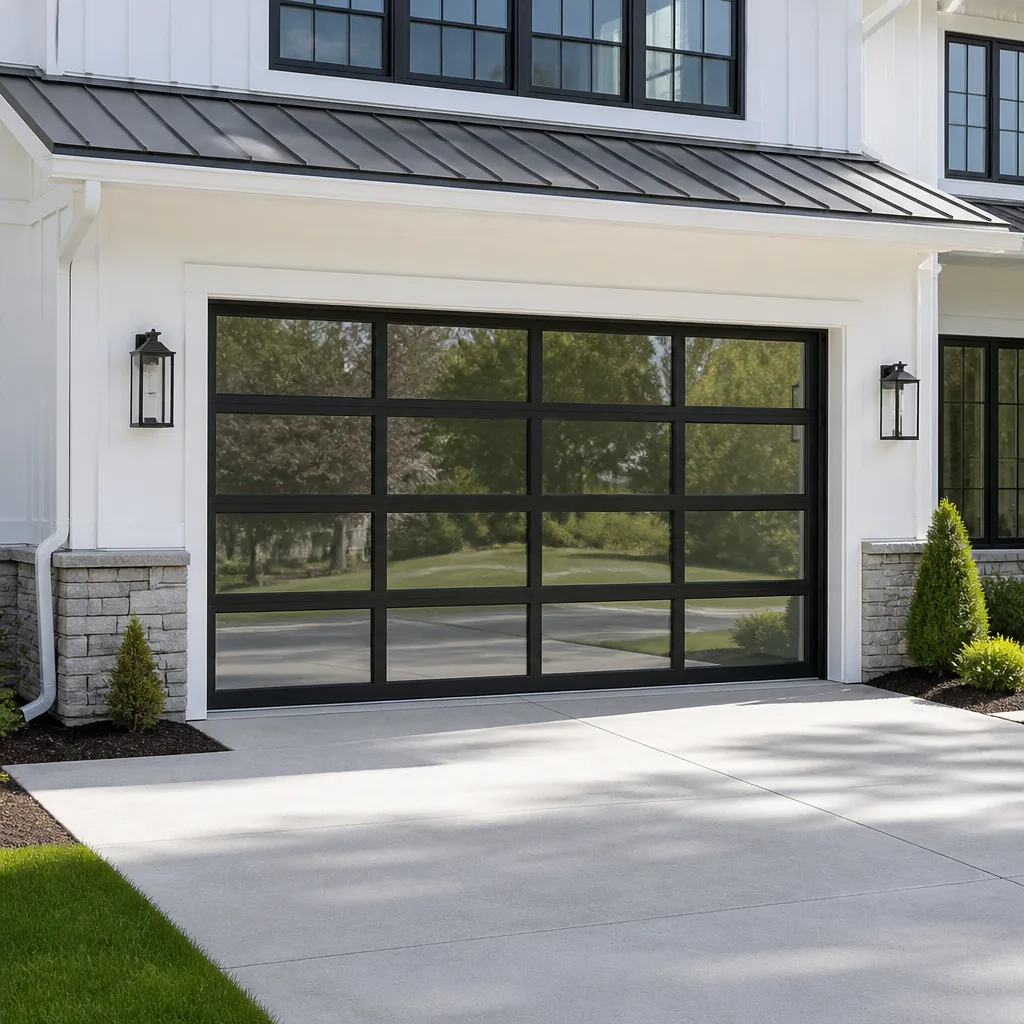 Full-view glass
 LiftMaster openers
 Chamberlain openers
Full 25-point door and opener safety check with every visit - springs, cables, rollers, tracks, and your LiftMaster or Chamberlain opener included
You get a price before we start. It does not change when the truck arrives.
Get your free estimateGarage Door Repair Maintenance Schedule: What to Do and When
A single annual garage door tune-up is not a maintenance schedule. It’s a hope strategy. The reality in Highland is more specific, and more predictable: garage door lubricant applied in January is effectively gone by August. UV radiation and triple-digit heat cause petroleum-based sprays to oxidize in roughly six months, leaving metal-on-metal contact that most homeowners blame on old age. This guide lays out a task-by-task, month-by-month calendar built around how Highland’s specific climate, triple-digit summers, low humidity, high UV exposure, degrades each component at different rates. By the end, you’ll know exactly what to check, when to check it, and when a repair stops making sense.
Quick Answer
Garage door maintenance in Highland follows a twice-yearly schedule: a spring pre-heat inspection in March or April, and an autumn post-summer lubrication in October. During summer months, lubricant breaks down twice as fast as it does in cooler climates, so silicone-based sprays and lithium grease reapplication every four to six months is the single highest-impact task you can do. Cables, springs, and rollers need visual inspection monthly, with professional service recommended once per year. We answer 24/7 and offer fast dispatch from 7am to 7pm, Sunday through Friday, for anything that needs a professional hand.
Styles & brands we work with
- Raised-panel steel
- Carriage house
- Modern flush
- Full-view glass
- LiftMaster openers
- Chamberlain openers
Table of Contents
- Why Highland’s Climate Changes Your Maintenance Calendar
- The Monthly 10-Minute Inspection Every Homeowner Should Do
- Lubrication in Highland: Silicone vs. Lithium vs. What to Avoid
- Spring Heat Ramp-Up Schedule (March – April)
- Summer Survival: What Fails in Triple-Digit Heat (May – September)
- Autumn Post-Summer Rebuild (October – November)
- Winter Cold Snaps in Highland (December – February)
- Component Lifespan Benchmarks: When Maintenance Stops Making Sense
Why Highland’s Climate Changes Your Maintenance Calendar
Generic garage door maintenance advice written for Minneapolis or Seattle simply does not transfer to the Inland Empire. Highland sits in a hot, dry climate where summer temperatures routinely exceed 100 degrees. Low humidity means metal components expand and contract differently than they do in coastal or humid environments. High UV exposure breaks down petroleum-based lubricants, plastic bushings, and rubber weatherstripping faster than almost any other environmental factor.
We work on the brand you already own, and we see how this climate expresses itself across every manufacturer: Wayne Dalton doors with nylon rollers that crack in sustained heat, Craftsman openers with circuit boards that overheat in garages that hit 120 degrees, LiftMaster units with sun-baked safety sensor housings. The pattern is consistent. In Highland, a garage door that gets no seasonal attention will show age-related failures three to five years earlier than the same door in a milder climate.
This guide is built for that reality. It sequences maintenance tasks around the times of year when Highland’s climate actually stresses each component, rather than repeating the generic spring-and-fall advice that ignores what summer does to a door here.
Prestige Garage Door Repair has worked on doors throughout Highland long enough to see which failures follow which seasons. What follows is the calendar we recommend to homeowners who want to avoid them.
The Monthly 10-Minute Inspection Every Homeowner Should Do
Before we get into the seasonal calendar, start with a monthly baseline. This is the task that catches cables before they snap, tracks spring fatigue before it fails, and flags opener strain before the motor burns out. It takes ten minutes, requires no special tools, and can be done while the car warms up.
Step 1: The visual sweep. Stand in the garage with the door closed. Look at the cables on both sides. They should be taut and seated in the grooves of the drums. Any fraying, any gap between cable and drum, any rust-colored dust at the bottom brackets, and you should call a professional before the next cycle.
Step 2: The balance test. Disconnect the opener using the red emergency release handle. Lift the door manually to waist height and let go. A properly balanced door stays in place. If it drops or rises on its own, spring tension has shifted and the opener is carrying more weight than it should. This is the single most informative test on the list.
Step 3: The sound check. Run the door through a full open-close cycle and listen. A healthy door makes a consistent hum. Grinding, popping, or a rhythmic clunk points to specific problems: grinding means rollers or hinges need lubrication, popping means spring torsion shifting, and a clunk usually indicates a loose track bracket.
Step 4: The track glance. Look at both vertical tracks. They should be parallel, with a consistent gap between track and door edge. Highland dust accumulation mixed with old lubricant creates a paste that accelerates roller wear, so wipe tracks with a dry cloth when you see buildup.
Step 5: The safety reversal test. Place a roll of paper towels in the door’s path and close it. The door should reverse on contact. Then test the photo-eye sensors by waving your hand in front of them mid-close. If either test fails, stop using the door until a technician from a specialized garage door opener repair service can evaluate it.
Lubrication in Highland: Silicone vs. Lithium vs. What to Avoid
Lubricant choice in Highland is not a minor detail. It is the difference between a door that runs quietly for years and one that eats rollers every eighteen months. The heat and UV here accelerate oxidation of petroleum products to the point where a January application is gone by August. Choose wrong, and you are lubricating more often while protecting less.
Silicone spray is the right choice for most moving contact points: rollers, hinges, springs, and the opener rail. It resists UV breakdown far better than petroleum sprays, does not attract Highland’s fine desert dust, and remains stable at the temperatures a closed garage reaches in August. Look for a product labeled as garage door silicone or a pure silicone spray. Apply it every four to six months.
White lithium grease belongs on metal-to-metal contact points: the torsion spring coils and the bearing plates at the ends of the spring shaft. It has better load-carrying properties than silicone for these high-pressure points. Apply sparingly every six months, and wipe away any excess, because in low humidity it hardens into a crust that traps grit.
What to avoid: WD-40 and similar penetrating sprays are solvents, not lubricants. They strip away the existing lubrication film and leave metal unprotected. Grease in a tub or tube is too heavy for garage door applications and gums rollers. Motor oil weeps onto the door surface and attracts dust. None of these has a place on a garage door in garage door repair territory like Highland.
Spring Heat Ramp-Up Schedule (March – April)
March and April in Highland are the transition months. Temperatures climb from comfortable to warm, and the door shifts from its winter behavior to the long summer stress period. This is the most important maintenance window of the year because it sets the baseline before the heat arrives.
- Full lubrication cycle. Silicone on rollers, hinges, and opener rail. White lithium on spring coils and bearing plates. This April application needs to carry the door through the hottest months, so do not skip it.
- Spring tension check. The balance test described above is the most accurate assessment a homeowner can perform without specialty tools. If the door does not hold position at waist height, spring adjustment or replacement is a professional job. A torsion spring under load carries enough energy to cause serious injury, so leave any adjustment to a trained technician.
- Cable and drum inspection. Look for any visible wear where the cable wraps into the drum. Highland’s low humidity means cables that last decades in coastal climates can develop fatigue cracks here in half that time. Bottom brackets take the most stress and deserve the closest look.
- Weatherstrip replacement. The rubber seal at the bottom of the door is your primary barrier against dust and insects. By April, it has survived one winter of cold snaps and UV, and a replacement now prevents a summer of dust intrusion.
- Opener force setting check. Run the door and watch for hesitation or reversal mid-cycle. An opener that strains against increasing friction will burn out its motor prematurely. This is also the time to check that safety sensors are aligned and receiving clean power.
Summer Survival: What Fails in Triple-Digit Heat (May – September)
Summer is when Highland garage doors do most of their aging. A closed garage in August can sit 20 to 30 degrees above the outdoor temperature, which means 120-plus degrees inside. At these temperatures, lubricant evaporates or oxidizes, nylon components lose tensile strength, and opener electronics run at the edge of their thermal tolerance.
The summer failure cascade typically follows this sequence: Lubricant thins and disappears first. Then steel rollers begin grinding against steel tracks. The opener works harder to move the same door. The added strain accelerates motor wear and strips plastic gears inside the opener head. By September, a door that was silent in April grinds, hesitates, and groans.
The countermeasure is a mid-summer lubrication touch-up in July. It is the same silicone-on-rollers, lithium-on-springs routine, but it resets the clock before the August heat peak. Homeowners who do this once learn the difference immediately, because the July application usually extends door life by years on LiftMaster, Craftsman, and Raynor doors alike.
Opener-specific summer notes: Modern openers run warmer than older ones because they carry more electronics. A good rule for Highland summers is to leave the garage door cracked for five minutes after parking a hot car, because the engine heat adds to the thermal load the opener is already managing. If the opener makes a high-pitched whine that gets louder through July, that is a belt or gear issue, not a normal summer noise.
For anything beyond lubrication, Prestige Garage Door Repair works on the brand you already own. Your opener is smarter than ever, so are we.
Autumn Post-Summer Rebuild (October – November)
October in Highland is when the damage done by summer becomes visible. The door has spent four months at the highest temperatures of the year, and the effects show up as noise, hesitation, and wear that was invisible in May. This autumn window is for assessment and correction, not just maintenance.
First, re-inspect everything you inspected in March. Cables, springs, rollers, tracks, weatherstrip, opener force. Compare what you see now with what the door looked like in April. In our experience, a door that looks unchanged through a full Highland summer is in excellent shape. Any new wear is a direct result of summer stress and deserves attention before winter.
Second, address the noise. A door that grinds or pops in October will only get worse as temperatures drop. Metal contracts slightly in cooler months, which tightens clearances and amplifies friction. Lubrication now prevents a minor noise from becoming a major repair by January.
Third, evaluate the bottom seal. By November, a seal that looked acceptable in March may show tears, flattening, or sun cracking from the summer UV load. Replace it before the cooler months, when rodents seek entry into warmer garages and dust blows under poorly sealed doors.
Fourth, run the full safety test sequence. Reversal on contact, photo-eye interrupt, manual release. This is also the time to check the emergency release cord and confirm it pulls cleanly without binding.
This is the window when a professional inspection makes the most sense. The door has survived another Highland summer, and a trained eye can catch what a monthly glance misses. Repair or replace, we will tell you which one actually makes sense.
Winter Cold Snaps in Highland (December – February)
Winter in Highland is mild compared to most of the country, but it still matters for garage door maintenance. Cold snaps drop nighttime temperatures into the 30s, and while freeze-thaw is not a meaningful factor here, thermal contraction is. Metal contracts when it cools, and a door that fits loosely in 90-degree weather tightens up in 40-degree weather.
What actually changes in a Highland winter: Lubricant thickens, which makes the door run slightly stiffer. Nylon rollers shrink microscopically, adding friction. Opener motors work marginally harder on the first open of a cold morning. None of this is dangerous, but it is measurable.
Winter maintenance tasks: Keep the lubrication schedule going, every four to six months regardless of season. In January, apply a fresh round of silicone and lithium even though it was last done in October. The winter air is dry enough that lubricant degradation continues, just at a slower rate than summer.
Cold-specific checks: Listen to the door on the first cold morning after a warm spell. A creak that fades after one cycle is normal thermal contraction. A creak that persists through multiple cycles is dry metal that needs lubrication. Check the weatherstrip for stiffening; rubber compounds get harder in cold weather and can develop cracks that become permanent by March.
Opener notes for winter: Batteries in wireless keypads and remotes lose voltage faster in cold weather. If a remote that worked in October starts working intermittently in December, try a fresh battery before assuming the opener itself has failed. Most homeowners are surprised how often the battery is the culprit.
Component Lifespan Benchmarks: When Maintenance Stops Making Sense
Maintenance buys time. It does not buy immortality. Every component of a garage door system has a service life, and at some point, continued lubrication and inspection crosses the line into throwing good money after bad. Here are the realistic lifespan benchmarks we use when evaluating whether a component should be maintained or replaced.
| Component | Expected Lifespan in Highland | Replacement Signal |
|---|---|---|
| Torsion springs | 7 – 10 years (heat accelerates fatigue) | Door won’t balance at waist height; visible gap in coil |
| Extension springs | 5 – 8 years | Door drops when released; spring shows stretch marks |
| Steel rollers | 8 – 12 years with lubrication | Flat spots, wobble, grinding noise |
| Nylon rollers | 12 – 15 years (UV shortens this in Highland) | Cracks, chips, or bearing whine |
| Lift cables | 10 – 15 years in dry climates | Fraying, rust-colored dust, loose strands |
| Opener motor | 10 – 15 years with maintenance | Failure to lift, burning smell, stripped gear noise |
| Bottom weatherstrip | 2 – 4 years in Highland sun | Visible cracking, light coming under the door, dust intrusion |
| Photo-eye sensors | 10+ years | Flickering, misalignment that won’t stay corrected, no response to obstruction |
The decision rule is simple: if a component is at or past the midpoint of its expected lifespan and shows a failure signal, replacement is usually the smarter financial decision. A spring that has lasted eight years in Highland heat and now won’t hold balance is not going to get better with adjustment. A roller with a flat spot is already failed, not failing.
From a broken spring to a full new door, Prestige Garage Door Repair handles the complete lifecycle. The brand on your door or opener is never an obstacle; our technicians train on LiftMaster, Chamberlain, Genie, Clopay, Amarr, Wayne Dalton, Craftsman, and Raynor equipment. Installation services include top-tier door brands, and every job, patch or full replacement, is treated as a reflection of the Prestige standard.
Common Mistakes to Avoid
- Lubricating without cleaning first. Highland dust sticks to old lubricant and forms an abrasive paste. Spraying fresh lubricant over that paste traps the grit against moving surfaces. Wipe surfaces clean with a dry cloth before applying anything new.
- Using WD-40 as a lubricant. It is a solvent that strips protective films and leaves metal dry. Within weeks of a WD-40 application, a door that was noisy before will be louder, and the underlying wear will be worse.
- Skipping the balance test because the door opens fine. An opener can mask spring fatigue for months by dragging a heavy door up the tracks. The motor is paying for it, and the bill arrives as a stripped gear or burned winding. Test balance manually every month.
- Ignoring cable wear at the bottom bracket. This is the one inspection that gets skipped in generic maintenance guides, and it accounts for the majority of sudden cable failures. The bottom bracket is where cable fatigue concentrates, and a cable that snaps under load lets one side of the door drop hard.
- Treating opener noise as a personality trait. A garage door opener that has always been loud is now telling you something. Noise increases as components wear, and a whine that appears in July and persists into October is early-stage motor failure. Addressing it in the fall is cheaper than replacing the opener in January.
- Replacing batteries before checking the obvious. When a remote stops working in a Highland winter, the battery is the first suspect. Cold weather drops battery voltage. Throwing a new battery at the problem is fast, cheap, and often correct. Skip the service call until you have tried it.
See the difference
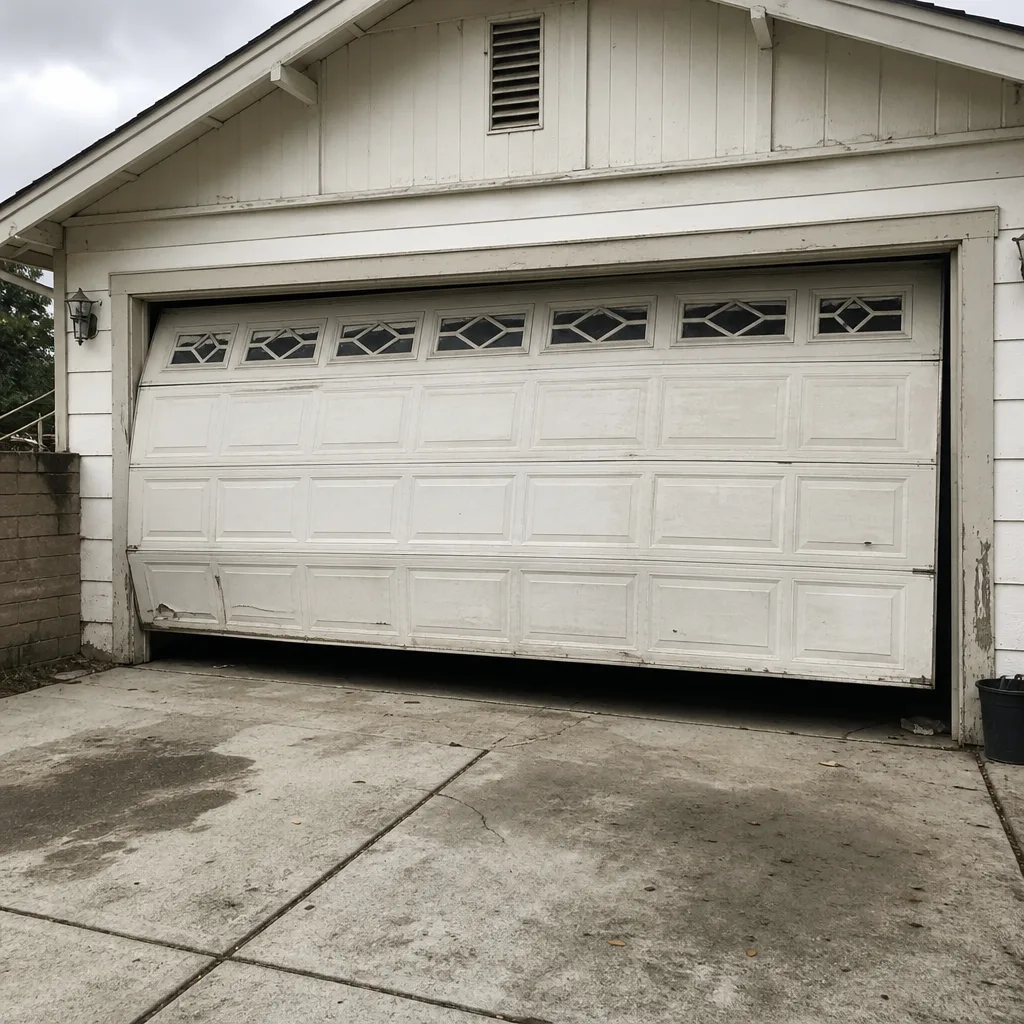 Before
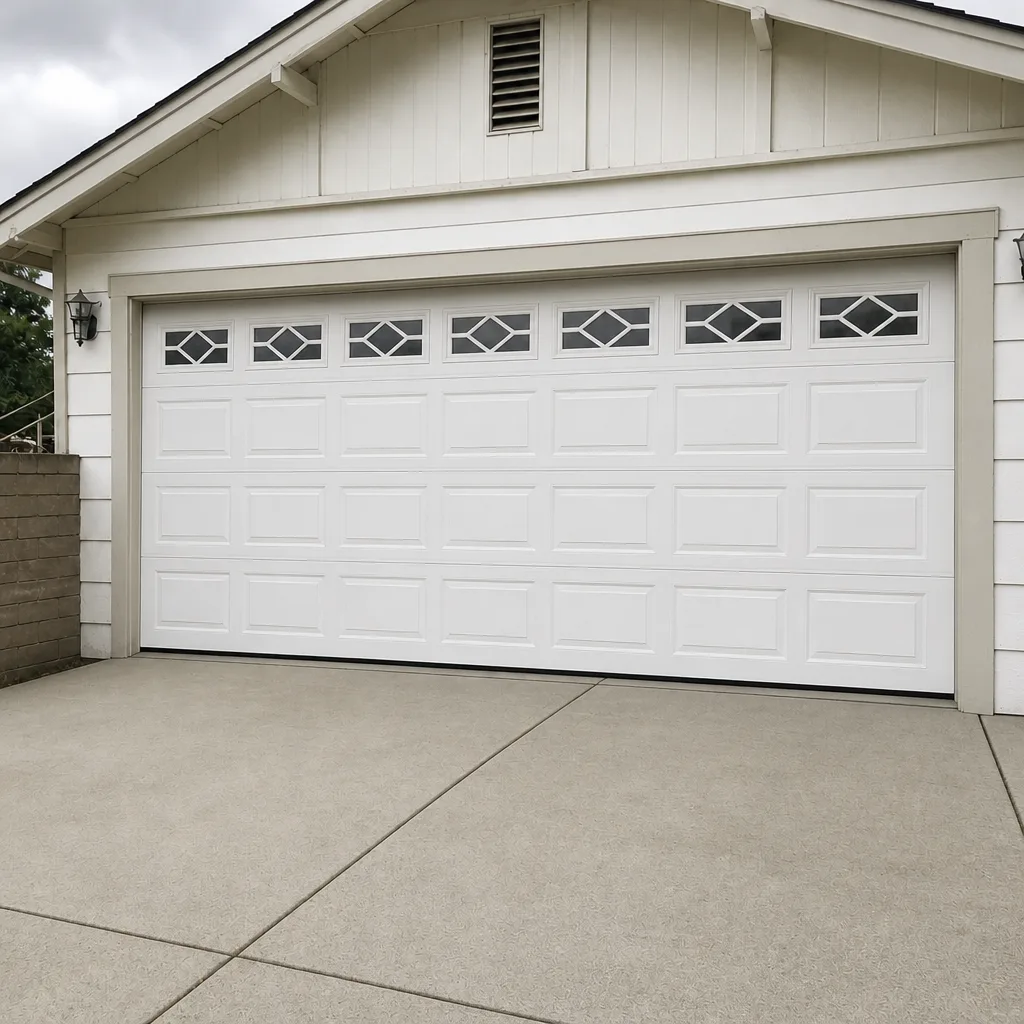 After
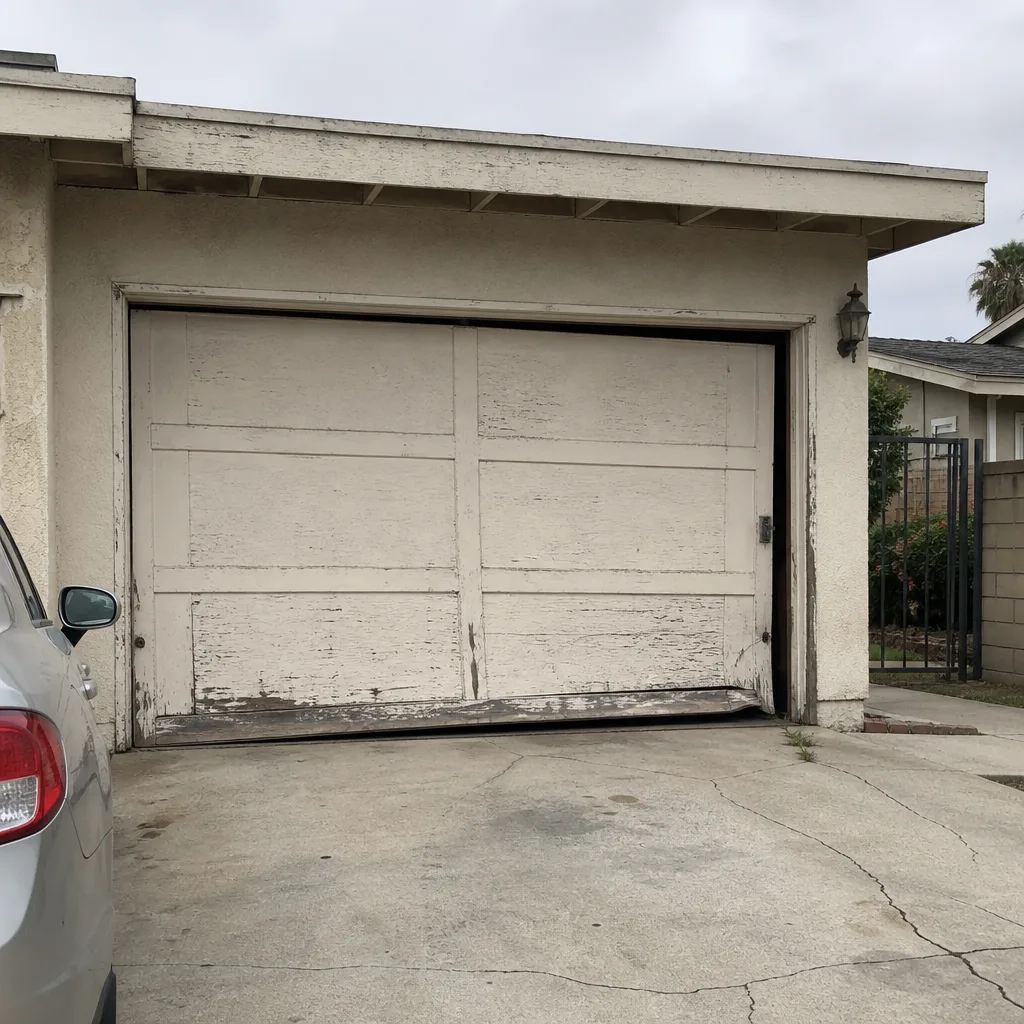 Before
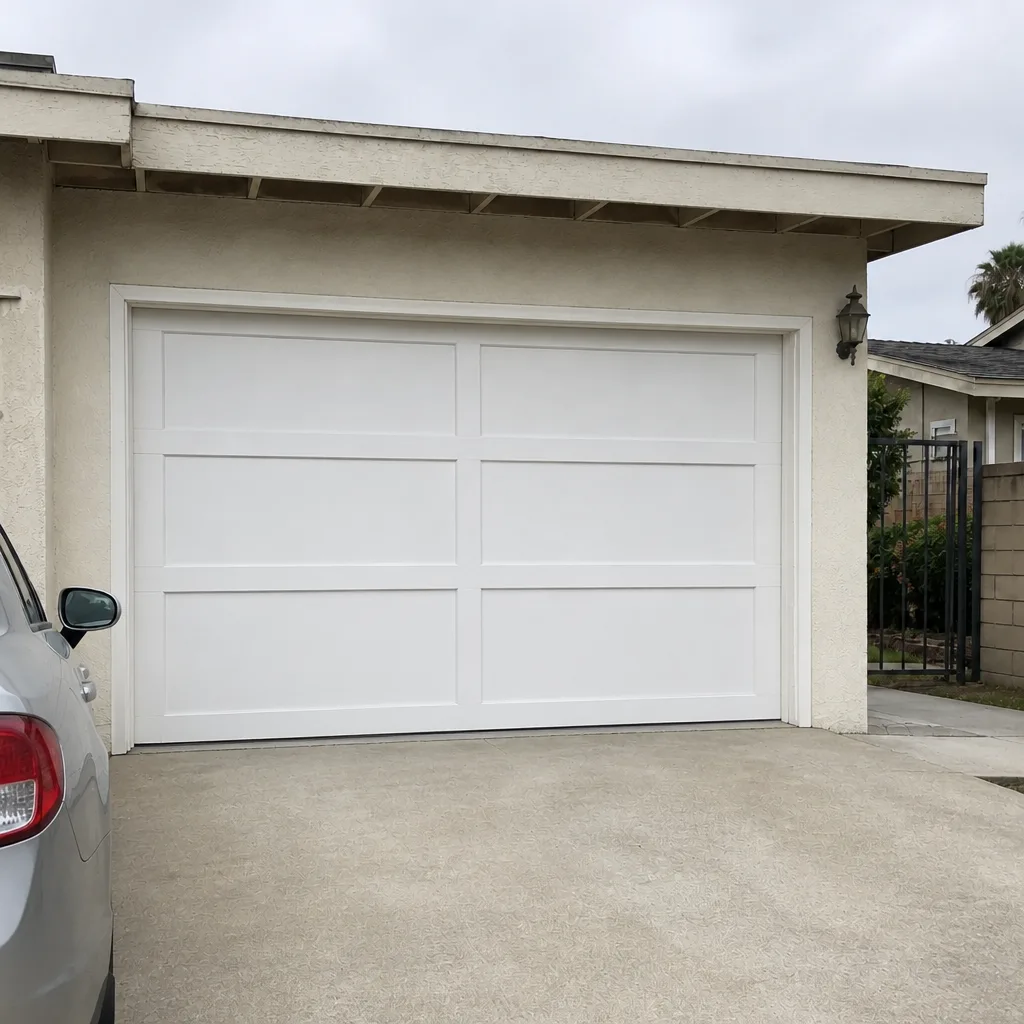 After
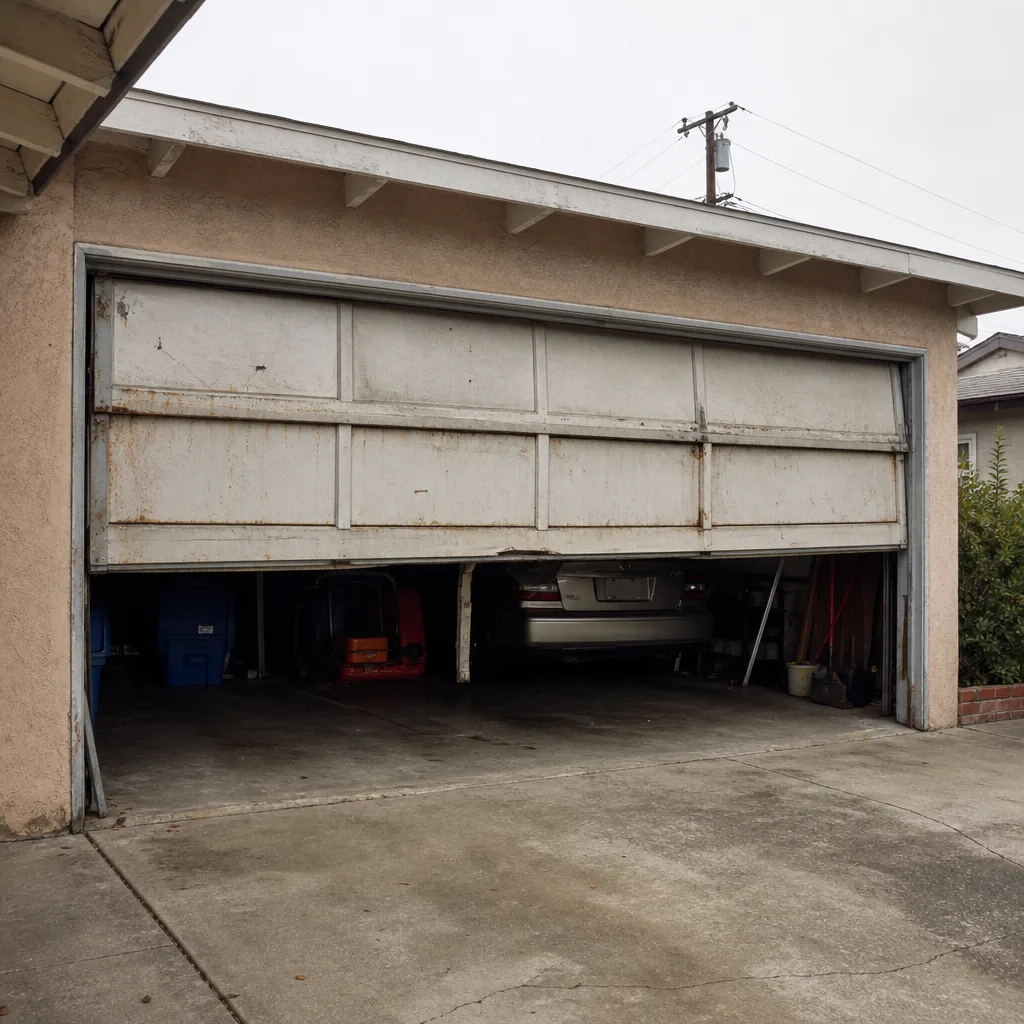 Before
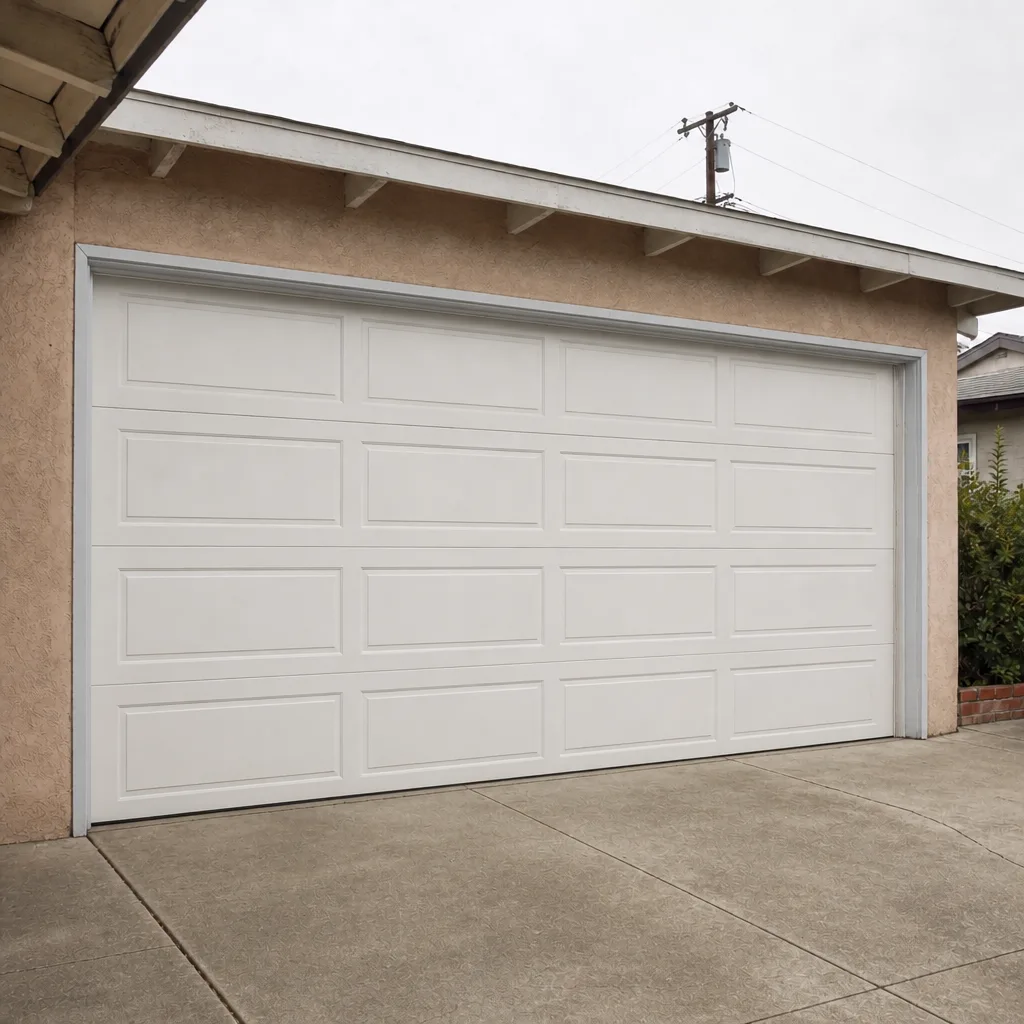 After
When to Call a Professional
Some maintenance tasks are safe and straightforward. Others are not. Anything involving spring tension is off-limits for DIY work; a torsion spring under load carries enough stored energy to cause severe injury, and we do not recommend any homeowner attempt spring adjustment or replacement. The same goes for cable repair, track realignment that requires releasing spring tension, and opener motor replacement.
You should also call a professional when the door behaves unpredictably: it reverses mid-cycle for no obvious reason, it shakes on the way up, it slams into the floor, or it won’t stay open. These are not maintenance problems. They are repair problems, and a delayed response usually makes them more expensive.
Prestige-level work on every job, regardless of size, is the standard we hold ourselves to in every Prestige Garage Door Repair service call. We offer free estimates in Highland, and the price is quoted and agreed before any work begins. Call (833) 593-5123. We answer 24/7. Fast dispatch from 7am to 7pm, Sunday through Friday.
Frequently Asked Questions
Every four to six months, with a mid-summer touch-up in July. Highland’s heat and UV degrade lubricants about twice as fast as milder climates, so the twice-yearly schedule used elsewhere needs a third application here. Use silicone spray on rollers, hinges, and the opener rail, and white lithium grease on torsion spring coils. Call (833) 593-5123 for an exact quote on a professional tune-up; estimates are free.
A professional lubrication and inspection service in Highland typically runs as part of a broader tune-up, and final pricing is set by the written estimate. Factors that affect cost include door size, spring type, and whether any components need adjustment during the visit. The written estimate is the number you agree to before work starts. Call (833) 593-5123 for a free estimate.
Yes, for the monthly inspection, lubrication, weatherstrip replacement, and safety sensor testing outlined in this guide. No, for anything involving spring tension, cable repair, or track realignment, those are professional jobs, and attempting them without training and proper tools risks serious injury. We work on the brand you already own, and we are happy to handle the dangerous parts so you never have to. Call (833) 593-5123. We answer 24/7. Fast dispatch from 7am to 7pm, Sunday through Friday.
Torsion springs typically last seven to ten years in Highland, because sustained heat accelerates metal fatigue and reduces the cycle life the spring would achieve in a milder climate. With regular lubrication twice a year and a monthly visual check, you get the upper end of that range. Without it, the lower end. When a spring fails, let a professional handle the replacement. Call (833) 593-5123 for a free estimate.
Stop running the door and let the motor cool down, then check for a blocked ventilation path around the opener head. Overheating often traces back to a door that needs lubrication or a spring that has lost tension, because the opener works harder against increased friction. A specialist in the electronics and load sensing of openers can diagnose whether the problem is the opener itself or the door it is moving. Call (833) 593-5123. We answer 24/7.
It helps, but winter is the least stressed season for a garage door in Highland. The important work happens before and after summer. Keep lubrication current through winter, replace weak weatherstrip before the door gets daily use in December, and use the cooler months to catch up on anything you skipped during the heat. The door will be ready for the real test in May.
The Bottom Line
A garage door maintenance schedule in Highland is not a single annual event. It is a climate-aware rhythm: monthly inspections, lubrication every four to six months with a July touch-up, spring baseline before the heat, autumn assessment after it, and deliberate indifference to much of winter, because winter is when Highland doors face the least stress. The homeowners who avoid the biggest bills are the ones who catch cable wear before it snaps, spring fatigue before it fails, and opener strain before the motor dies. That is the entire game. Everything else follows from paying attention at the right times. Prestige Garage Door Repair offers free estimates in Highland, and the written quote is the price you agree to before any work starts. Call (833) 593-5123.
Written by the team at Prestige Garage Door Repair, serving Highland since 2014.