
Last updated November 4, 2026
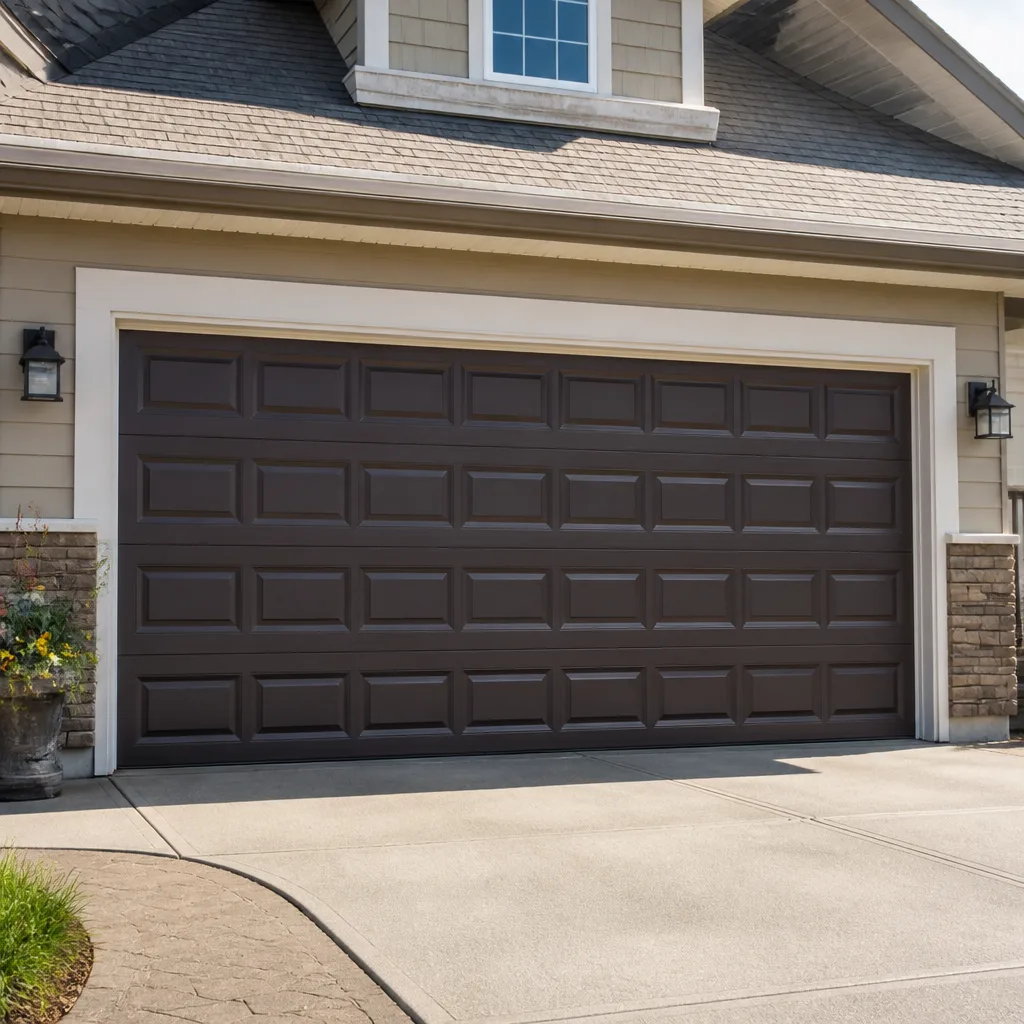 Raised-panel steel
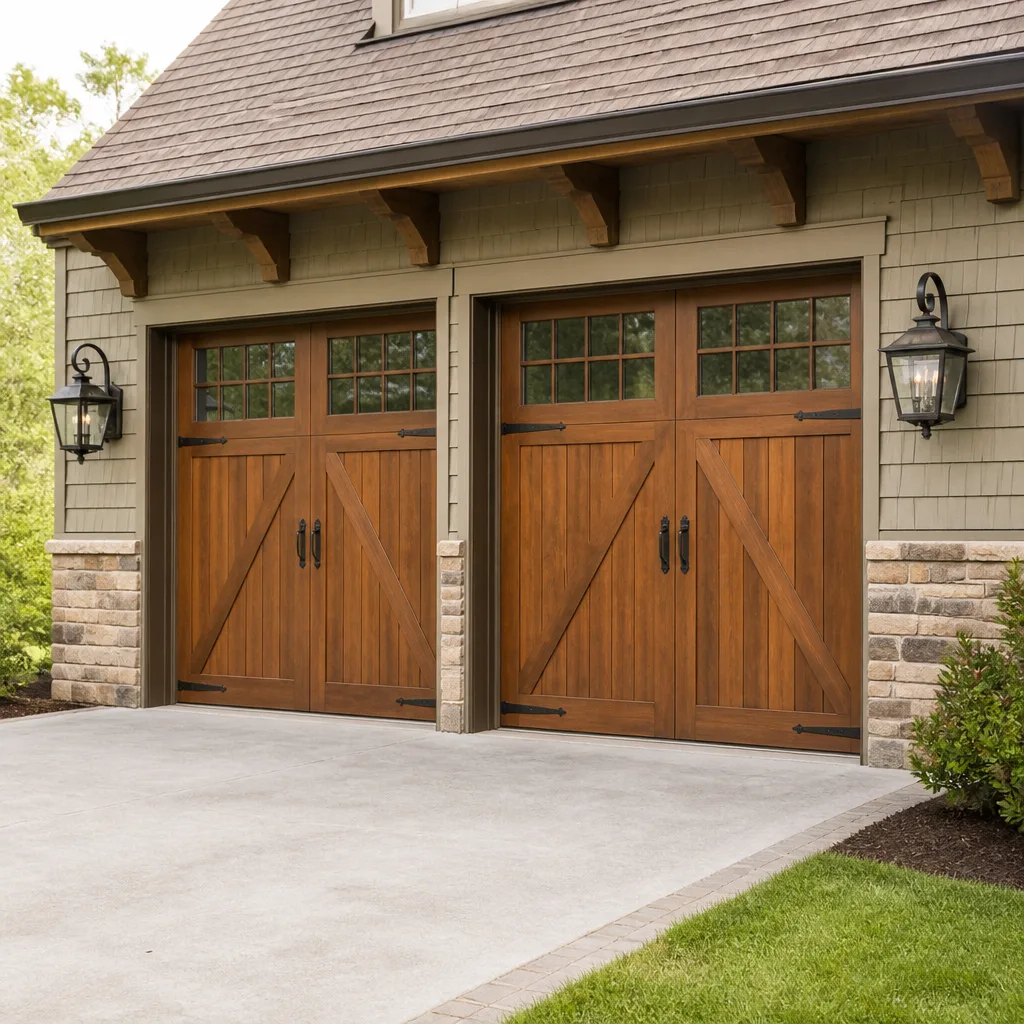 Carriage house
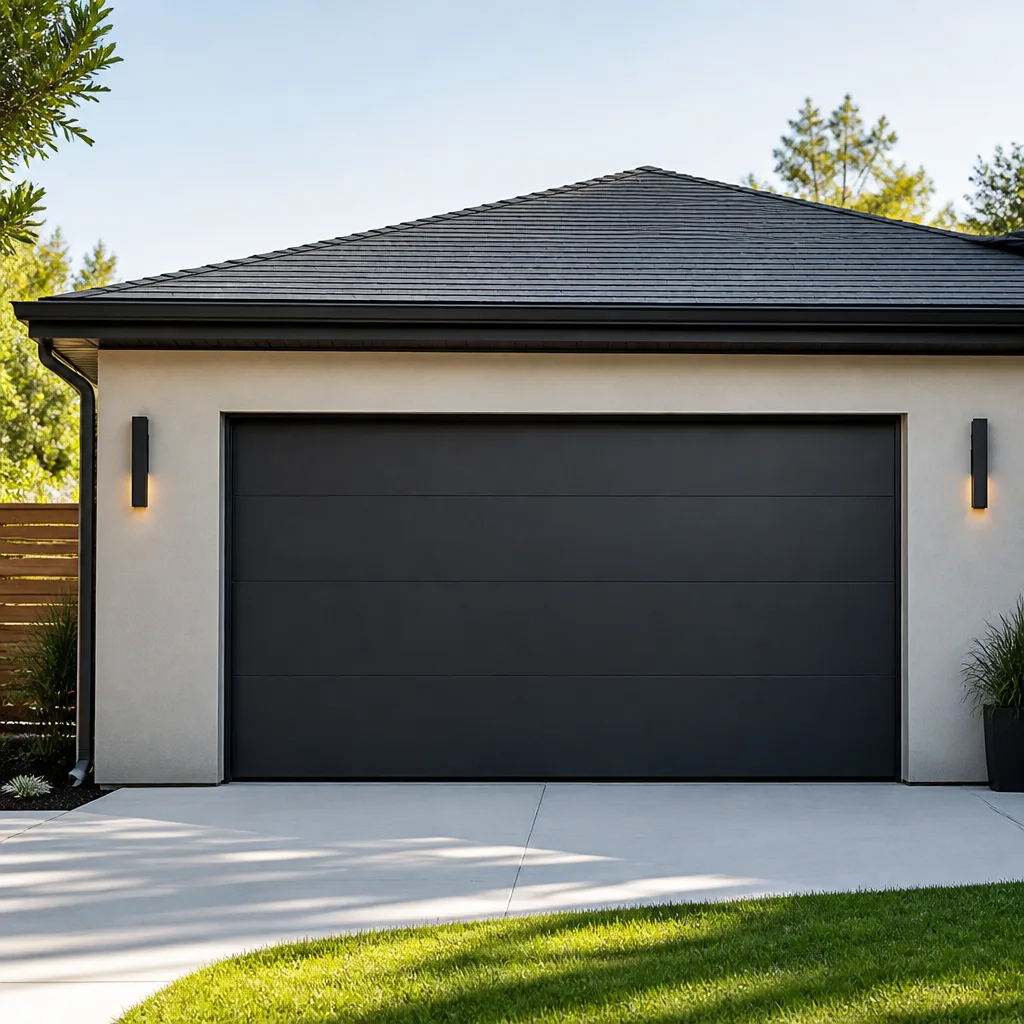 Modern flush
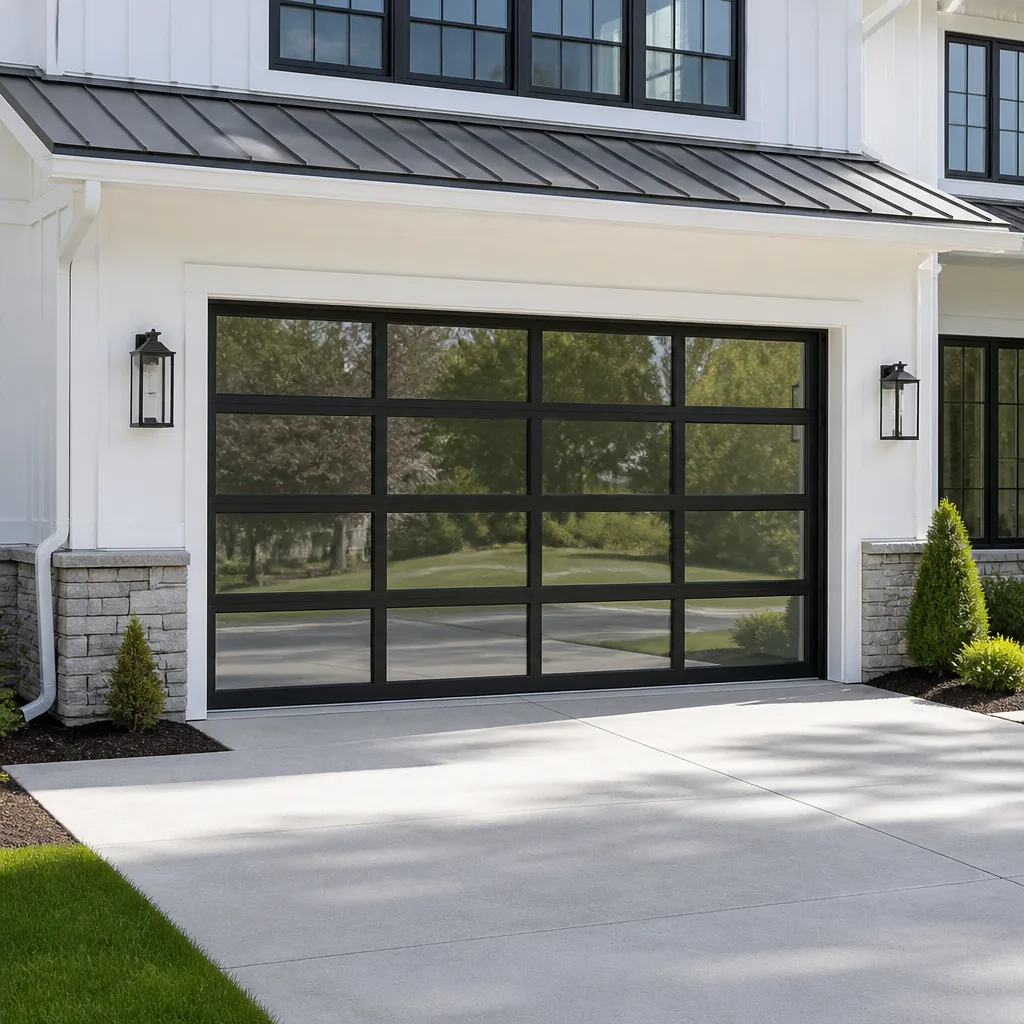 Full-view glass
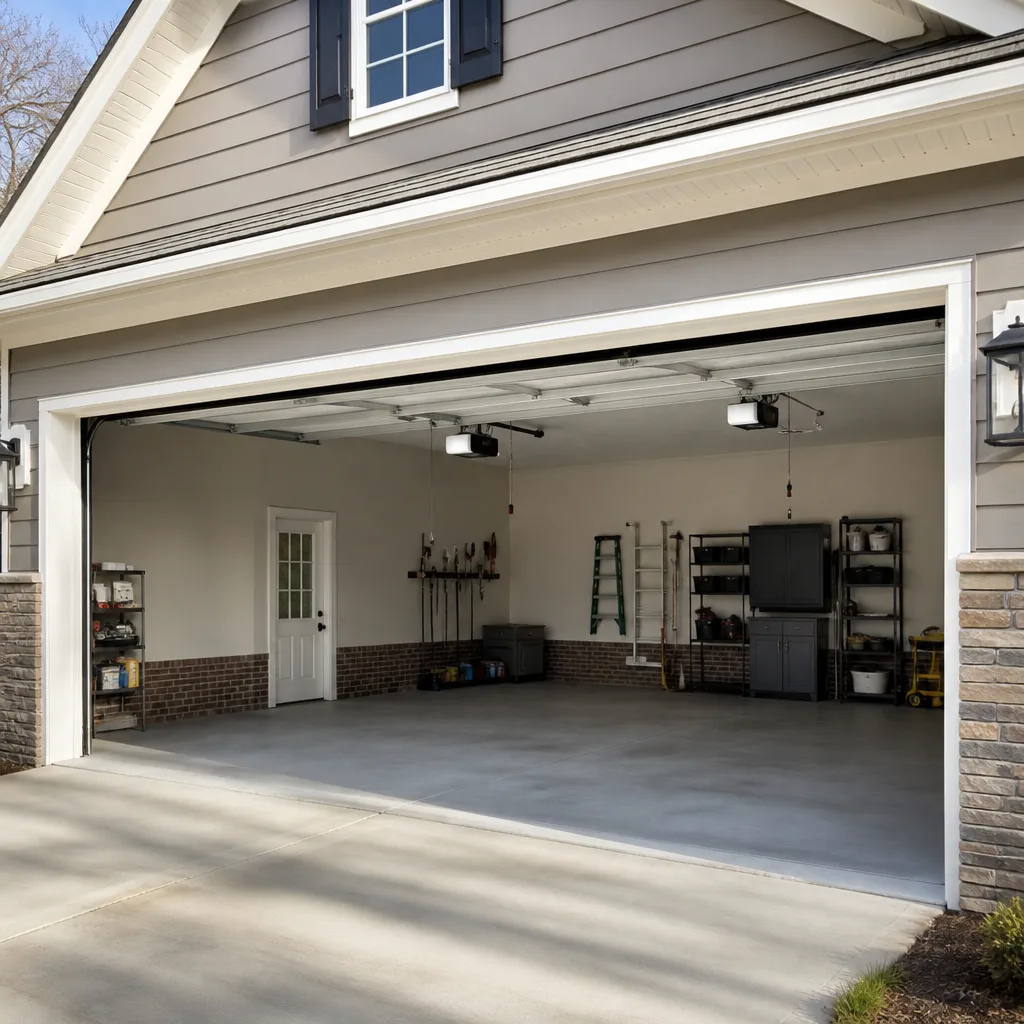 LiftMaster openers
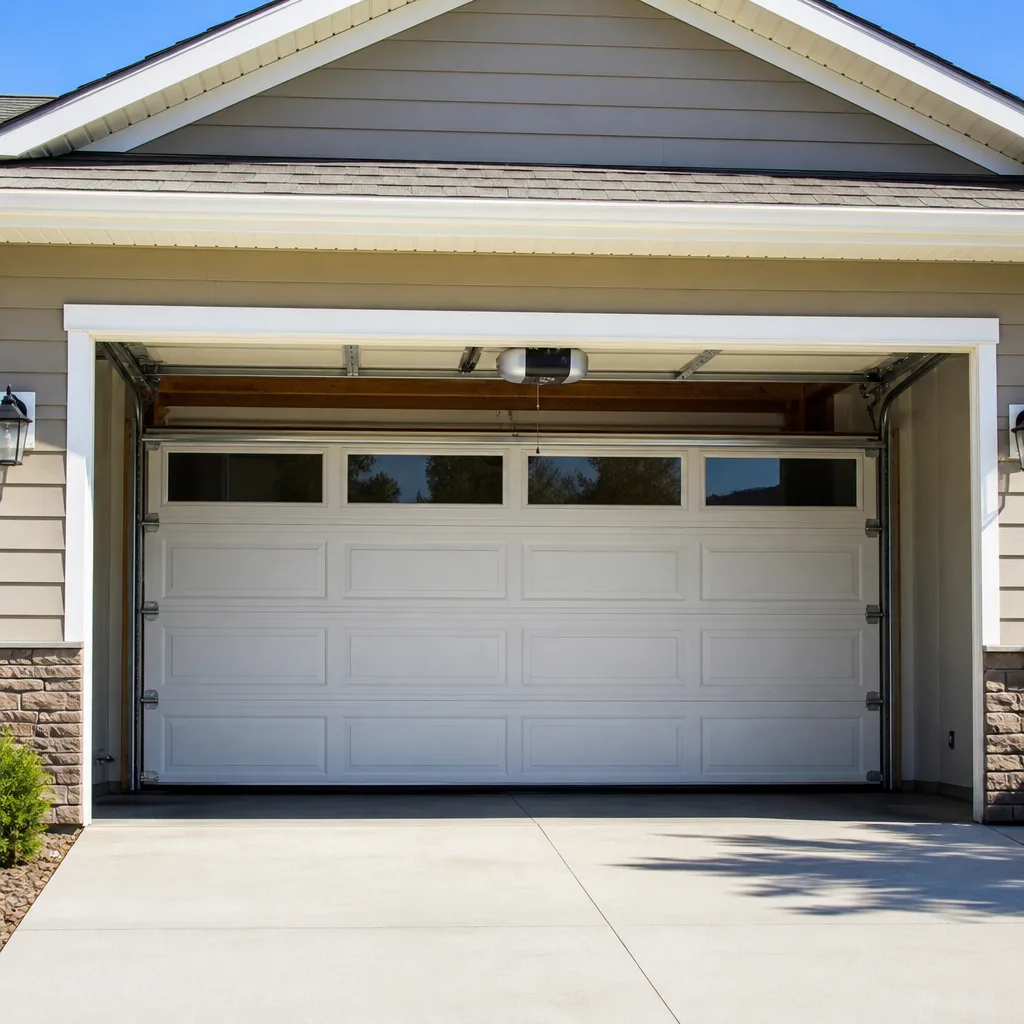 Chamberlain openers
Full 25-point door and opener safety check with every visit - springs, cables, rollers, tracks, and your LiftMaster or Chamberlain opener included
You get a price before we start. It does not change when the truck arrives.
Get your free estimateGarage Door Repair Maintenance Checklist for Highland Homeowners
Ask any homeowner about garage door maintenance and they’ll picture lubricating rollers and testing the auto-reverse. Fine. But the number-one call we get after a Highland summer isn’t a broken spring. It’s a photo-eye that overheated and drifted out of alignment in the direct sun. That item doesn’t appear on most maintenance checklists, and it’s exactly the kind of thing this guide is built around. We’ve put together a maintenance routine based on the failure patterns we actually see on service calls across Highland, ranked by how often they turn into emergency repairs. You’ll learn what to check, when to check it, and what genuinely matters in a climate where garage temperatures routinely climb past 100°F.
Quick Answer
A garage door maintenance checklist for Highland homeowners should prioritize heat-specific inspections: photo-eye alignment drift from thermal expansion, lubrication intervals adjusted for sustained high temperatures, bottom seal wear from dry gritty wind, and opener motor vent and capacitor checks. Run through the checklist monthly during peak summer, and every two to three months the rest of the year. Most items take under ten minutes and prevent the specific breakdowns we see most often across Highland.
Styles & brands we work with
- Raised-panel steel
- Carriage house
- Modern flush
- Full-view glass
- LiftMaster openers
- Chamberlain openers
Table of Contents
- Photo-Eye Alignment: The Highland Summer Failure
- Lubrication Schedule for High-Heat Garages
- Bottom Seal Inspection in Dry, Gritty Wind
- Opener Motor, Capacitor, and Ventilation Checks
- Springs and Cables: What to Look At, What to Leave Alone
- The Monthly and Seasonal Checklist
- Common Mistakes to Avoid
- When to Call a Professional
- Frequently Asked Questions
Photo-Eye Alignment: The Highland Summer Failure
Every garage door opener made since 1993 carries a pair of photo-eye sensors near the floor on either side of the door opening. One sends an infrared beam. The other receives it. If that beam breaks or misaligns, the door refuses to close, or reverses mid-cycle and goes back up. In Highland, the leading cause isn’t a kid’s bicycle knocking into the sensor. It’s the bracket slowly moving as the garage heats up.
Most brackets are stamped metal attached to vertical door track or the wall. Metal expands when hot. Direct sun on a west-facing garage can push the surface temperature well beyond the ambient reading. Over weeks and months of daily expansion and contraction, the mounting screws work slightly loose. The bracket shifts a few millimeters. The beam drifts off the receiver lens. The door starts misbehaving for no apparent reason.
What to check monthly during summer:
- Look at both sensor brackets. Are the screws fully seated, or does the bracket wiggle by hand?
- Look at the small LED indicator on each sensor. Most models show a solid green or amber light when aligned and receiving the beam. A flickering light or no light at all means trouble.
- Sweep away anything within a few inches of the beam path, even if it doesn’t look like it’s in the way. Dust and spider webs can scatter the signal over time.
If the door won’t close and the sun has been on that side of the house all afternoon, wait until the garage cools and try again. If it closes, you’ve confirmed heat-related drift. Tighten the bracket screws and align the beam. If it still won’t close, you may have a sensor that’s failing internally, and that’s a garage door opener repair we handle regularly.
One more thing we see on Highland service calls: homeowners try to fix alignment by twisting the sensor housing. That often cracks the internal board. Loosen the bracket, reposition it, then retighten. Never force the sensor itself.
Lubrication Schedule for High-Heat Garages
Most manufacturer manuals suggest lubricating hinges, rollers, and springs every six months. That interval assumes a moderate climate. A garage in Highland can sit at 110°F or more for hours at a stretch during summer. High heat thins lubricant. It drips off, evaporates, or gets pushed out of the joint. By the end of one long summer, a door that was lubricated in May can sound dry, heavy, and scratchy by late August.
We recommend lubricating the moving metal parts every three months during the hottest stretch of the year, from roughly May through September. Every six months is fine the rest of the time. Use a lithium-based spray grease or a dedicated garage door lubricant. Do not use WD-40 or a generic penetrating oil as your primary lubricant. Those are cleaners and water displacers, not lasting lubricants, and in high heat they disappear quickly.
Here’s what to lubricate, in order:
- Hinges: a short spray at each pivot point, top to bottom, both sides of the door.
- Rollers: aim at the bearing inside the wheel, not the outside face. If you have nylon rollers, avoid spraying the nylon itself. It doesn’t need it and it attracts grit.
- Springs: a thin coat across the coil length. This is not about making the spring stronger. It’s about surface friction and oxidation resistance.
- Bearing plates at the ends of the torsion tube, if accessible from a step ladder.
- Opener rail, if your opener uses a chain or screw drive. A light coating is enough; too much lube on a chain collects dust and turns into paste.
Keep a rag in one hand and catch drips. Excess lubricant falling onto the driveway or the car is a mess and, on a hot Highland afternoon, bakes into a stain. Wipe down each point after spraying. If the door still grinds or shudders after lubrication, the rollers or hinges may be worn past the point where lubricant helps, and replacement is the honest fix.
For doors with brand-specific hardware, the routine is the same across Clopay, Amarr, Wayne Dalton, and Raynor sections and panels. The materials differ slightly, but the moving parts respond to the same discipline: regular light lubrication, high-heat intervals, and wiping off excess.
Bottom Seal Inspection in Dry, Gritty Wind
Highland gets wind, and the wind carries grit. Dust, fine sand, and small debris work their way against the bottom seal of the garage door every time the breeze picks up. Over time this grit abrades the rubber. The seal develops hairline cracks, then splits. Once it splits, the garage breathes. Heat gets in. Dust gets in. Small pests get in.
Most bottom seals last three to five years in a mild climate. In Highland’s dry and occasionally wind-driven conditions, checking the seal every two months makes sense, especially from late spring through fall when the wind picks up and the temperature is at its most punishing. The check takes under a minute.
Run your hand along the bottom seal with the door closed. Feel for cracks, splits, or sections that have pulled away from the retainer. Open the door and look at the seal from the inside with a flashlight. Daylight showing through means the seal is no longer doing its job. Close the door and look at the floor line. If you see gaps at the corners or a high spot in the middle where the seal doesn’t meet the concrete, the seal or the bottom weatherstrip retainer has failed.
Replacing a bottom seal on most doors is straightforward, but the seal profile has to match the door. Genie, Clopay, Amarr, Wayne Dalton, and Raynor doors use different retainers and seal shapes. A universal seal from a big-box store often looks right and then pulls out in a week. Bring a small sample of the old seal or a photo of the retainer shape if you’re buying a replacement. Or have us handle it when you call for garage door repair and we can match the profile on the spot.
Opener Motor, Capacitor, and Ventilation Checks
The garage door opener sits in the hottest part of the house: the air above the car, just under the ceiling. Heat rises. In Highland during summer, that air can stay over 100°F for hours after sunset. The opener motor dissipates its own heat into that air, and some units run ragged in the hottest months even when they work perfectly in spring.
Two components fail most often in high heat. The capacitor is first, then the motor itself. Capacitors are part of the starting circuit on most residential openers. They age faster in sustained heat. When a capacitor starts to go, you hear a hum and the motor doesn’t turn, or the door moves a few inches and stops. On smart openers from LiftMaster, Chamberlain, and Genie, a failing capacitor often looks like an electronics problem, because the wall console or app reports a fault code.
What to do monthly during hot months:
- Check that the opener housing isn’t covered in dust. Dust acts as insulation. Wipe the housing vents with a dry cloth or a vacuum brush.
- Listen during operation. A smooth motor should whir and travel. A struggling motor sounds heavy or labored.
- Watch the opener’s travel cycle. If it hesitates at start, stops, and demands another press of the button, call before it stops altogether.
- Confirm the garage vents, if present, are unobstructed. Many Highland garages have passive vents, and blocking them with stored boxes or insulation raises the working temperature of the opener.
If your garage routinely reaches uncomfortable temperatures in summer, consider running the opener less during the hottest mid-afternoon hours. Park the car and leave the door closed until evening. Your opener will thank you, and so will any stored paint or chemicals on the shelf.
Springs and Cables: What to Look At, What to Leave Alone
Springs and cables are the two components that make repair work dangerous. A torsion spring under tension stores enough force to cause serious injury if it snaps while someone is standing in the wrong place. Cables under load can whip. We want Highland homeowners to inspect these parts visually and leave hands-on work to a trained professional.
What you can do safely, twice a year:
- Stand inside the garage with the door closed. Look at the torsion spring above the door. See the coil spacing stay even? A gap in the coil means a broken spring. A broken spring often looks like a clean split somewhere along the length, sometimes with a slight misalignment.
- Look at the lift cables running along each side of the door. Do they sit evenly in the grooves of the drums? A cable that is frayed will show small broken strands. A cable that has jumped the drum will look slack or crossed.
- Listen to the door on the way up and down. A loud bang from the spring area, followed by the door feeling enormously heavy, means a spring has broken. That’s a same-day repair scenarios we take seriously.
Do not attempt to adjust, remove, or replace a spring yourself. Do not open the red emergency release with the door up, especially if a spring is broken. The door can drop with full weight. If you see a broken spring, leave the door in place, keep the opener disconnected, and call us. We’ll send a technician trained on the spring configurations used by Clopay, Amarr, and Wayne Dalton doors.
The Monthly and Seasonal Checklist
Here’s the working checklist, condensed for actual use. Post it in the garage, by the door control, and run through it on the first weekend of the month. The seasonal column reflects what matters most in Highland’s heat-and-wind pattern, not a generic four-season calendar.
| Task | Summer (May – Oct) | Rest of Year |
|---|---|---|
| Check photo-eye alignment and bracket screws | Monthly | Every 2 months |
| Lubricate hinges, rollers, springs, rail | Every 3 months | Every 6 months |
| Inspect bottom seal for cracks and gaps | Every 2 months | Every 3 months |
| Wipe opener vents and check for dust buildup | Monthly | Quarterly |
| Test auto-reverse with a block or roll of paper towel | Monthly | Monthly |
| Listen for scraping, grinding, or hesitation | Every use | Every use |
| Inspect springs and cables visually | Every 6 months | Every 6 months |
| Tighten all visible hinge and track bolts | Monthly | Quarterly |
A note on the auto-reverse test. Place a roll of paper towels flat in the door path, or use the manufacturer’s recommended block. Press close. The door should reverse within a second of touching the object and return to full open. If it doesn’t, the force limit or the photo-eye is out of adjustment. Don’t leave a door that fails this test connected to the opener.
Highland’s weather pattern doesn’t flip neatly into four seasons. The desert-adjacent heat settles in by May and holds through October. The dry wind picks up in the afternoons. Plan the heavier maintenance items, like spring inspection and opener cleaning, for a morning before the garage heats up. Everything on this list is easier in a 75-degree garage than a 105-degree one.
This is where the Prestige name sets a standard. We don’t believe in the bare-minimum ten-point check. Our technicians run through every item on this list at a service call, because from a broken spring to a full new door, the small catches prevent the big failures. And if you’d rather a professional run the full annual check, call us for a free estimate. We’ll tell you what’s actually worn, not what a generic checklist guesses.
Common Mistakes to Avoid
- Lubricating the track. The track doesn’t need grease. A greasy track collects Highland dust and grit, and the rollers end up sliding through grinding paste. Keep tracks dry and wipe them down twice a year.
- Using WD-40 as a door lubricant. It cleans and displaces water, but it won’t last in a hot garage. Use a lithium or silicone-based garage door lubricant.
- Ignoring a noisy door because it still opens. Grinding and scraping are the early warning for worn rollers, loose hardware, or a dry spring. By the time the door stops working, the repair is bigger and the parts are more damaged.
- Replacing one spring when the door has two. Springs are matched by cycle life and tension. You replace them as a pair. A door with one new spring and one old spring wears unevenly and fails again sooner.
- Testing the auto-reverse only once a year. The safety reversal system is the most important working component on the door. Monthly testing is the only way to know it still works between failures.
- Assuming the opener is dead when the door acts up in hot weather. Heat-related photo-eye drift or a failing capacitor often mimics a dead opener. Rule out the simple heat causes first.
- Buying a universal bottom seal without checking the profile. Highland grit finds a mismatched seal in weeks. Match the seal to your door brand or bring a sample with you.
When to Call a Professional
Call when a spring breaks, when a cable jumps the drum, or when the door falls heavily once disconnected from the opener. Those are not homeowner repairs. Call when the opener shows fault codes, when the motor hums without starting, or when the door reverses for no visible reason after you’ve cleaned the photo-eyes. Call when the door has shifted in the opening and you can see daylight around the edges. And call when you’ve run through this checklist and the door still doesn’t feel right. Prestige Garage Door Repair offers free estimates across Highland. We run the full diagnostic, use the same checklist our technicians carry, and we’ll quote the price before any work starts.
Frequently Asked Questions
Every three months during the hot season, from roughly May through October, and every six months the rest of the year. High garage temperatures thin lubricant faster than the typical manufacturer interval predicts. Use a lithium or silicone-based garage door lubricant and wipe off excess so Highland’s dust doesn’t bond to it.
In Highland, the usual cause is heat-related photo-eye misalignment. The metal bracket holding the sensor expands in direct sun and shifts the beam off target. Check the sensor lights, tighten the bracket screws, and realign the beam. If the problem persists after cooling, the sensor itself may be failing. Call (833) 593-5123 and we’ll diagnose it.
No. Torsion springs are under extreme tension and cause serious injuries when they snap during improper handling. Visual inspection is fine. Replacement is a professional job. We handle springs on Clopay, Amarr, Wayne Dalton, and other brands, and we replace both springs as a matched pair when a door has two.
Test the auto-reverse every month by placing a roll of paper towels or the manufacturer’s recommended block under the door and pressing close. The door should reverse within a second of contact. Check the photo-eyes monthly, inspect springs and cables twice a year, and listen for new grinding or scraping sounds on every cycle.
We work on the brand you already own. Our technicians are trained across LiftMaster, Chamberlain, Genie, Clopay, Amarr, Wayne Dalton, Craftsman, and Raynor, covering legacy systems and modern smart-home-connected openers. Your opener is smarter than ever, and our diagnostic approach is calibrated to that, including heat-stressed capacitors and venting.
Our maintenance inspections are quoted by the job, and estimates are free. We never begin work before you’ve approved a written price. If you’re running through this checklist and find a split seal, a failing opener, or loosened track, call (833) 593-5123 for an estimate and a firm quote.
The Bottom Line
Highland garages fail differently than garages in milder climates. Heat moves photo-eyes. Grit eats bottom seals. Dust smothers opener vents. A generic maintenance checklist misses all of that. The routine that works here is built around the summer’s thermal expansion and the dry wind’s abrasion, checked monthly, with specific attention to the components that actually fail in this Highland service area. Run through this checklist with the seasonal table, keep the moving parts lubricated on the high-heat interval, and test the safety reverse monthly. If anything fails or shows wear beyond a five-minute fix, call Prestige Garage Door Repair at (833) 593-5123 for a free estimate. We answer 24/7. Fast dispatch from 7am to 7pm, Sunday through Friday.
Written by the team at Prestige Garage Door Repair, serving Highland since 2014.
See the difference
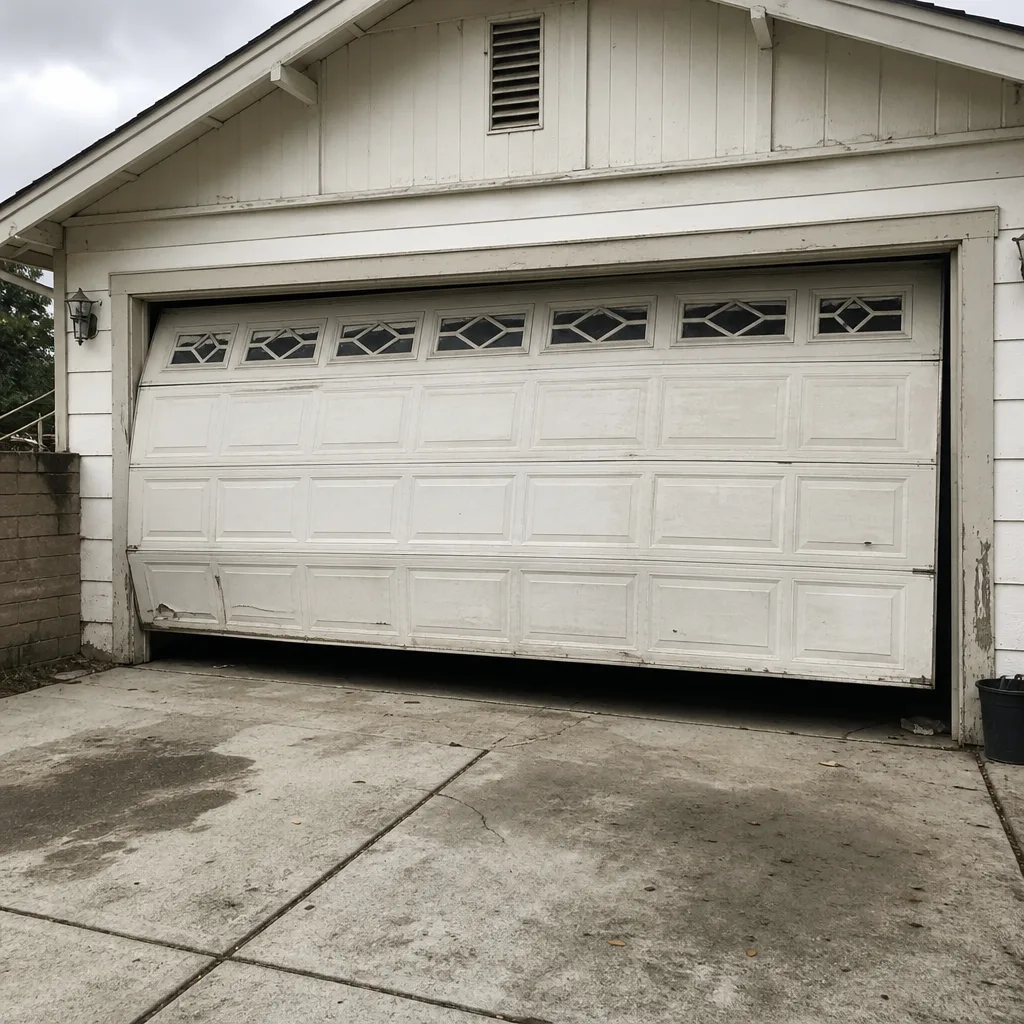 Before
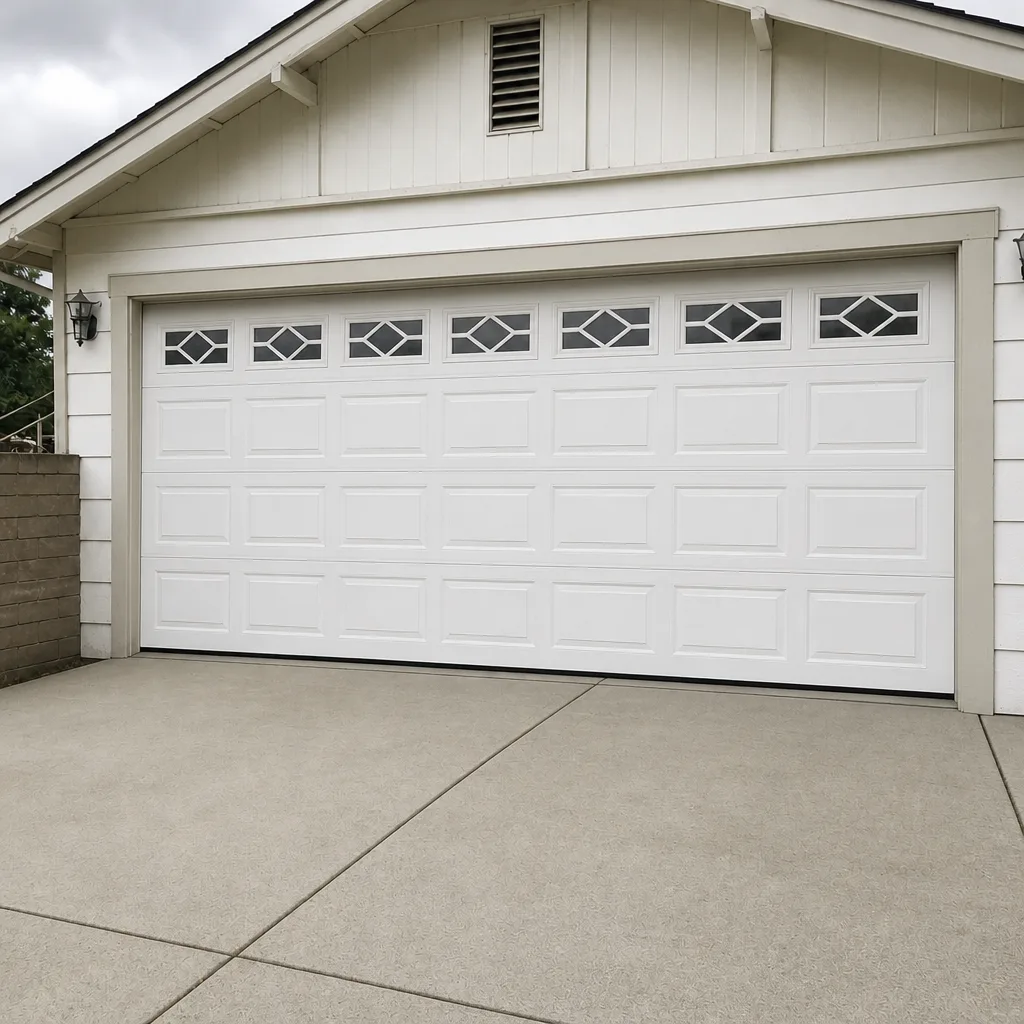 After
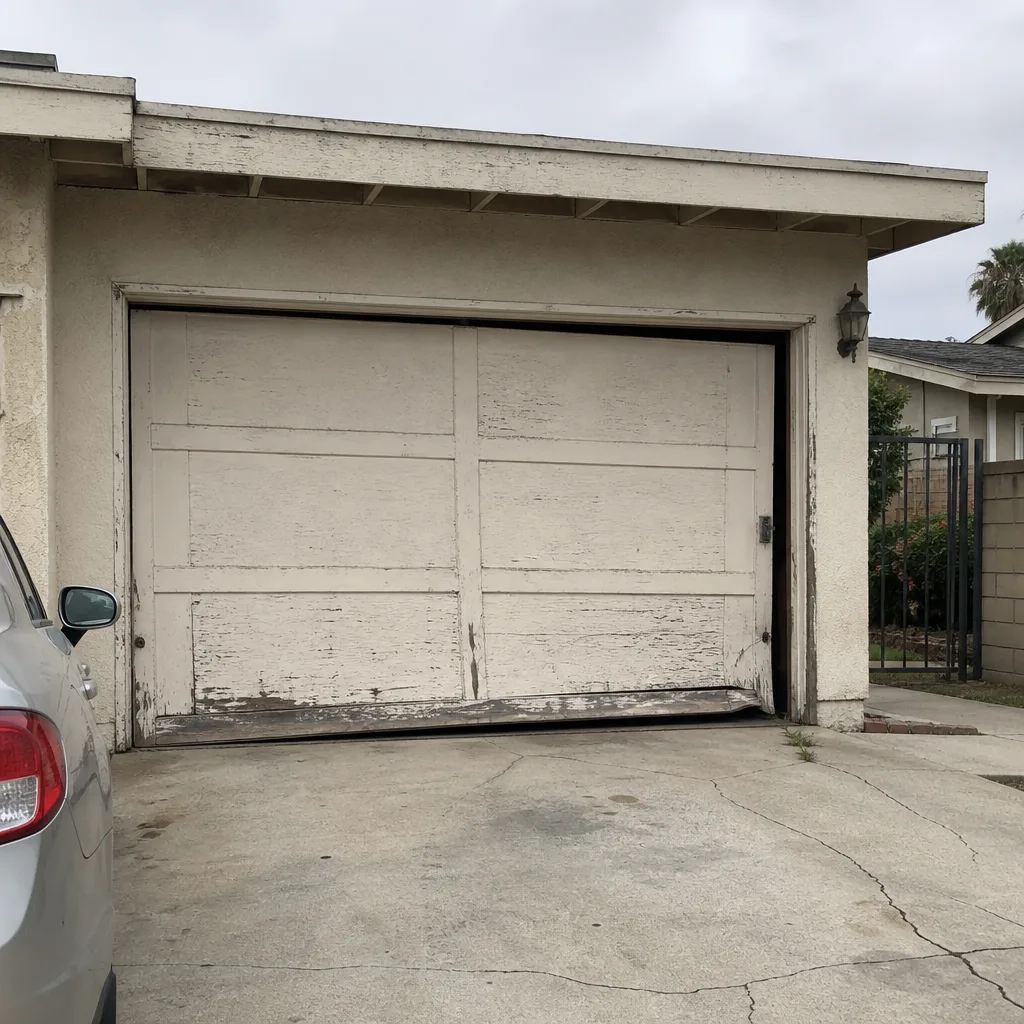 Before
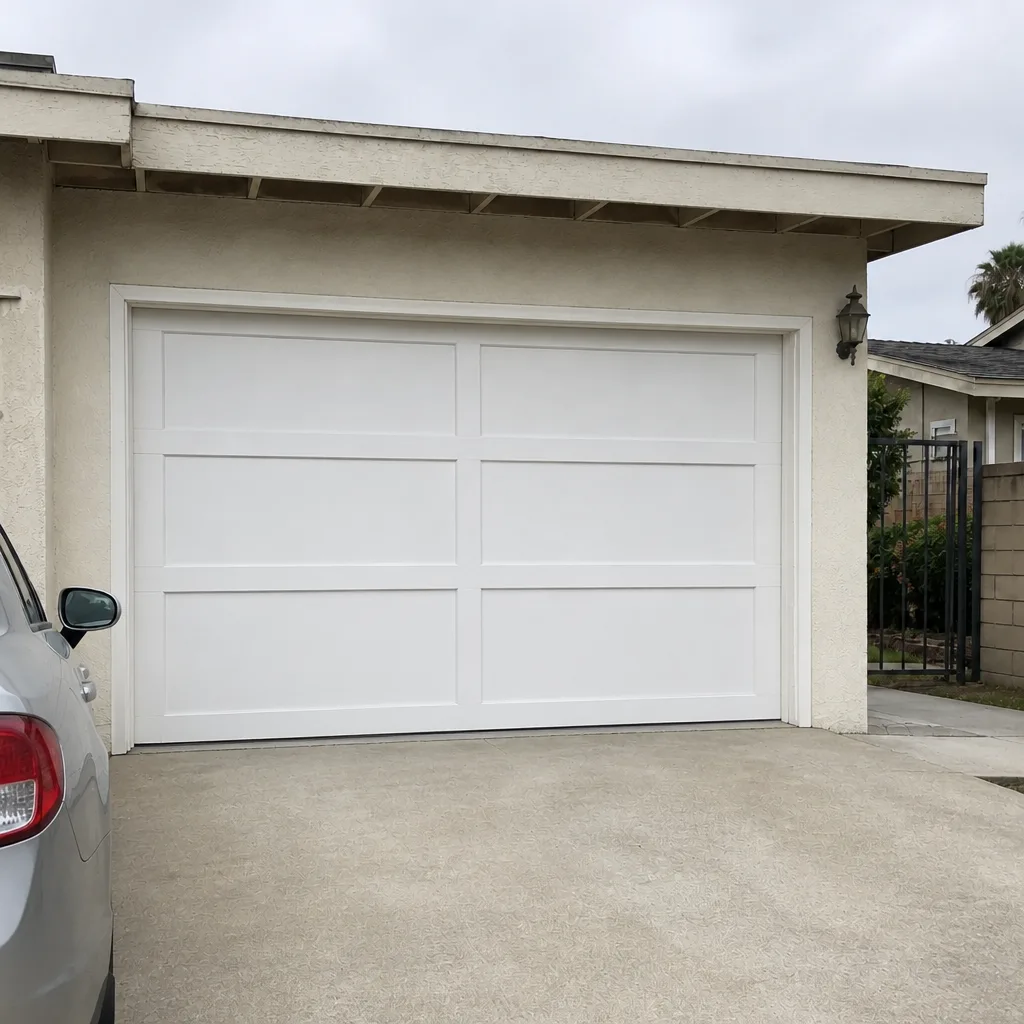 After
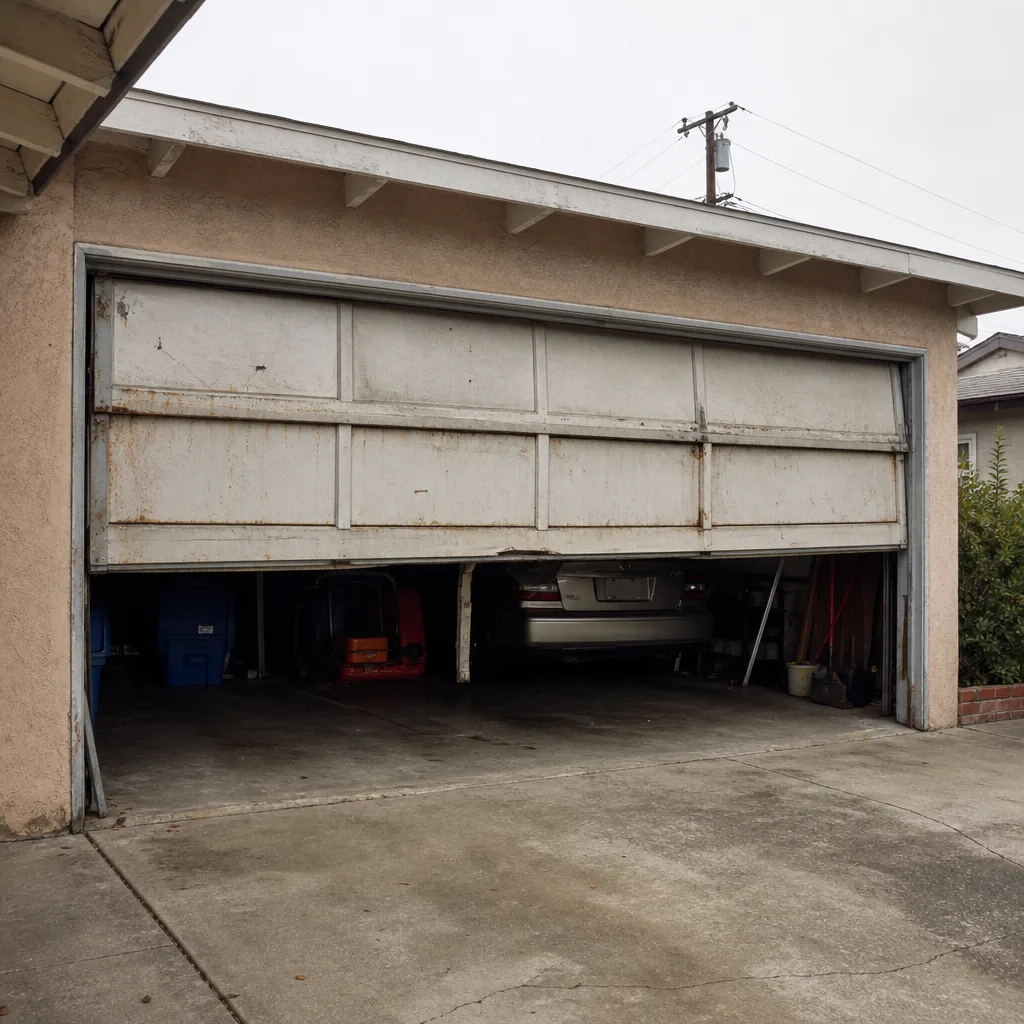 Before
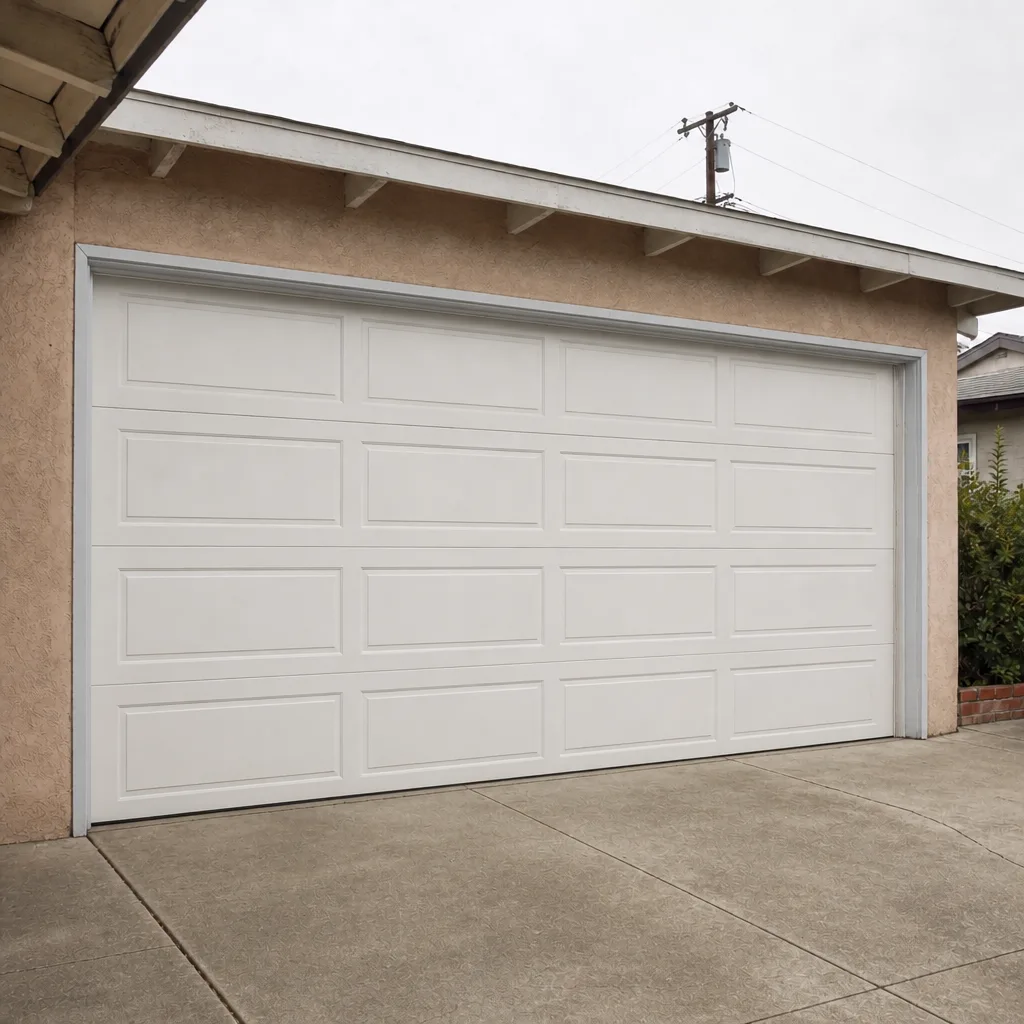 After