
Last updated November 4, 2026
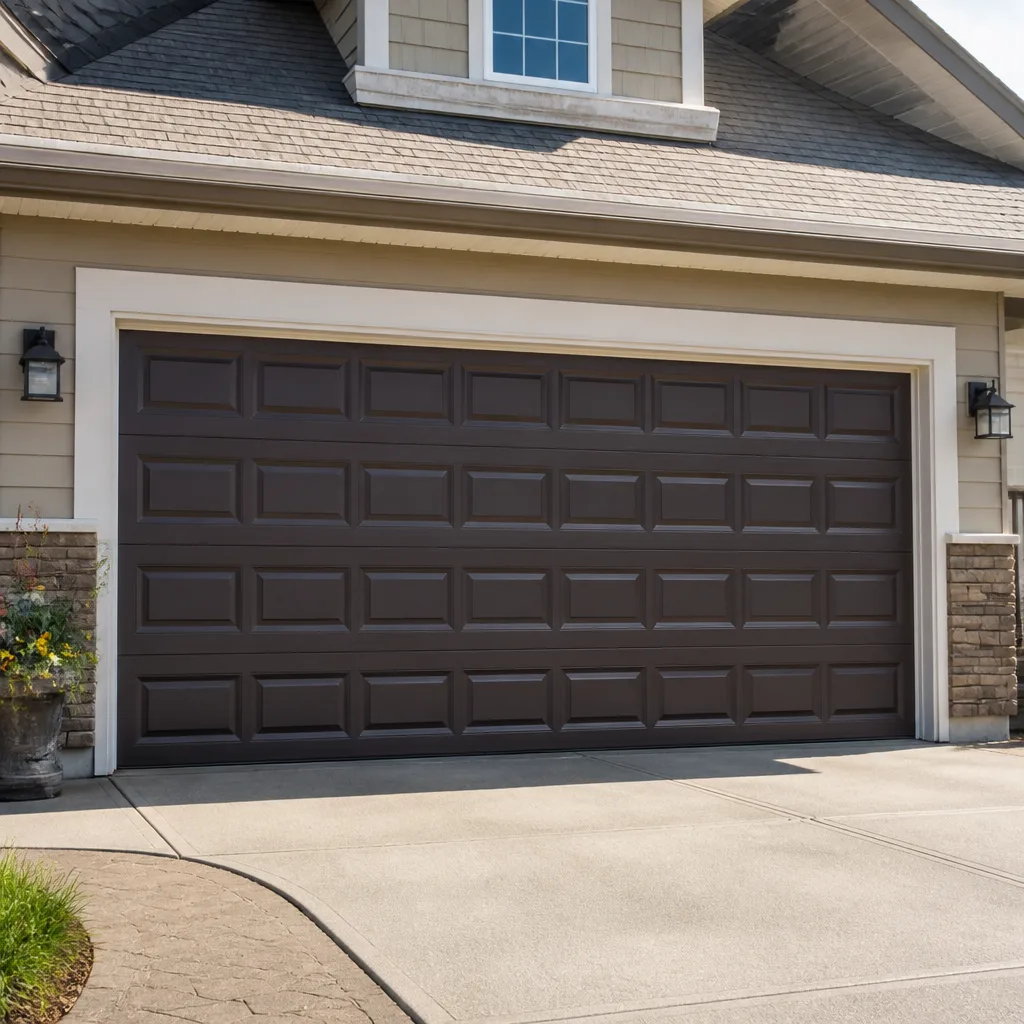 Raised-panel steel
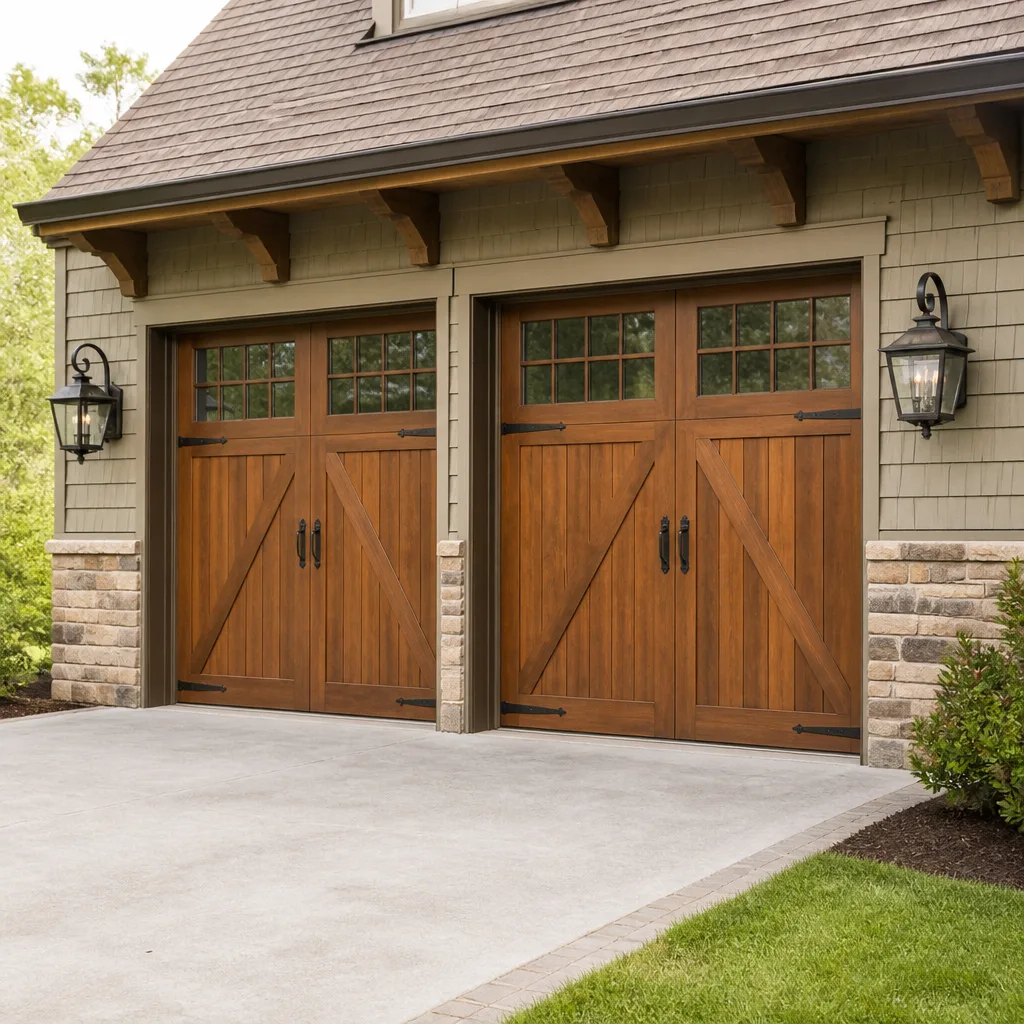 Carriage house
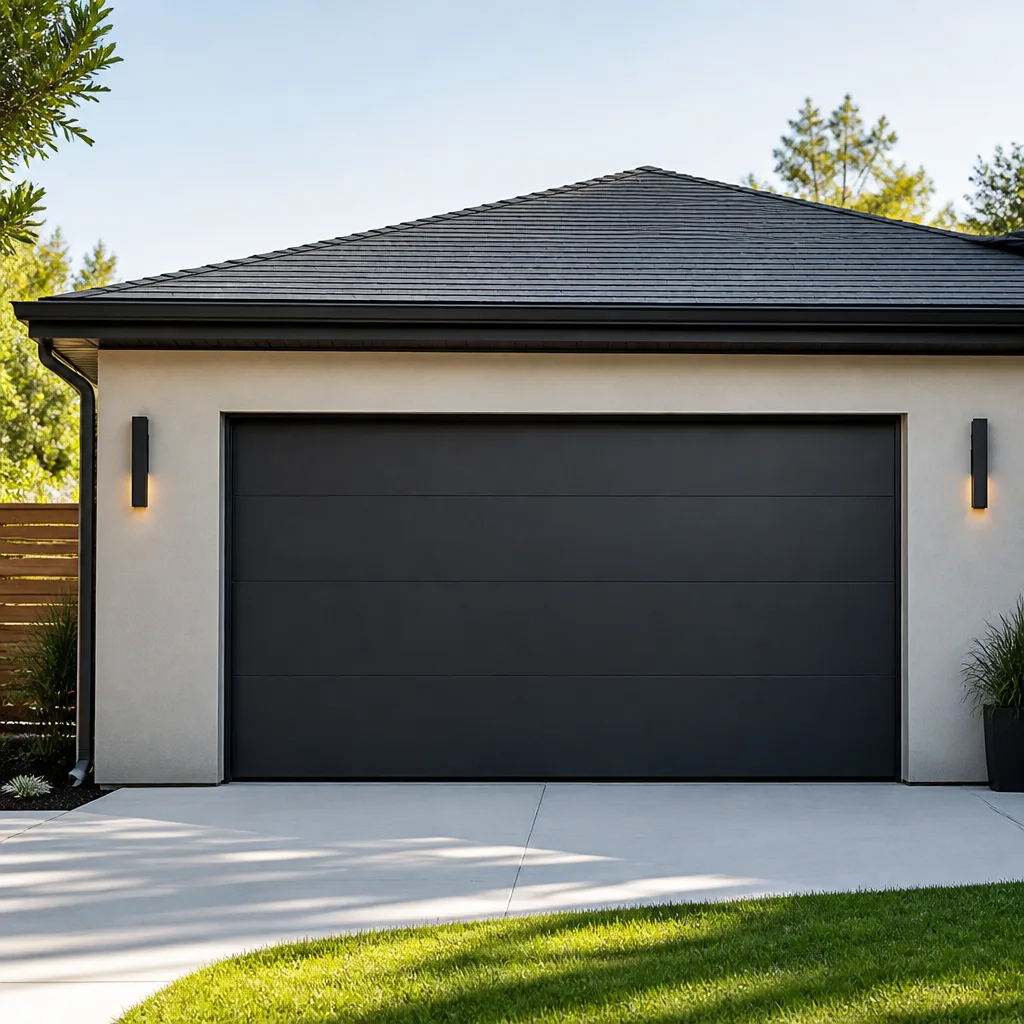 Modern flush
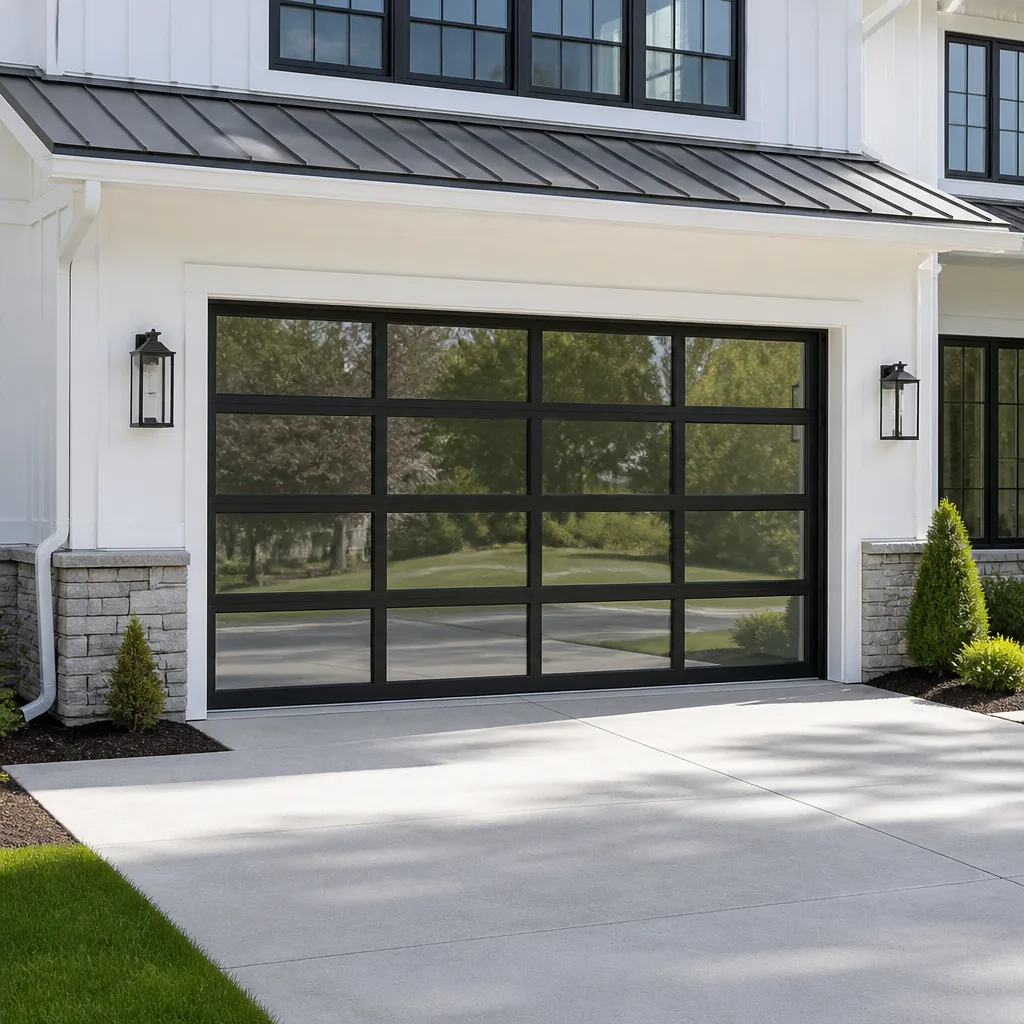 Full-view glass
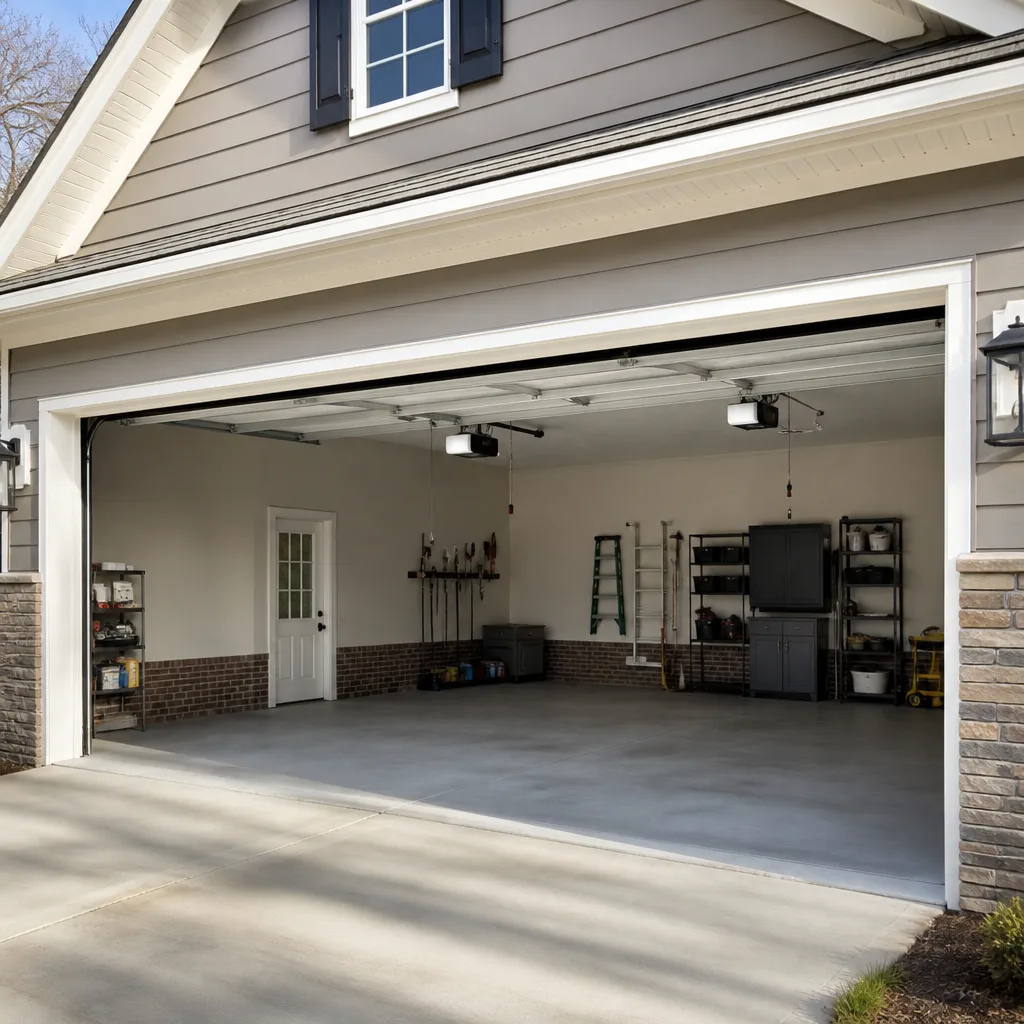 LiftMaster openers
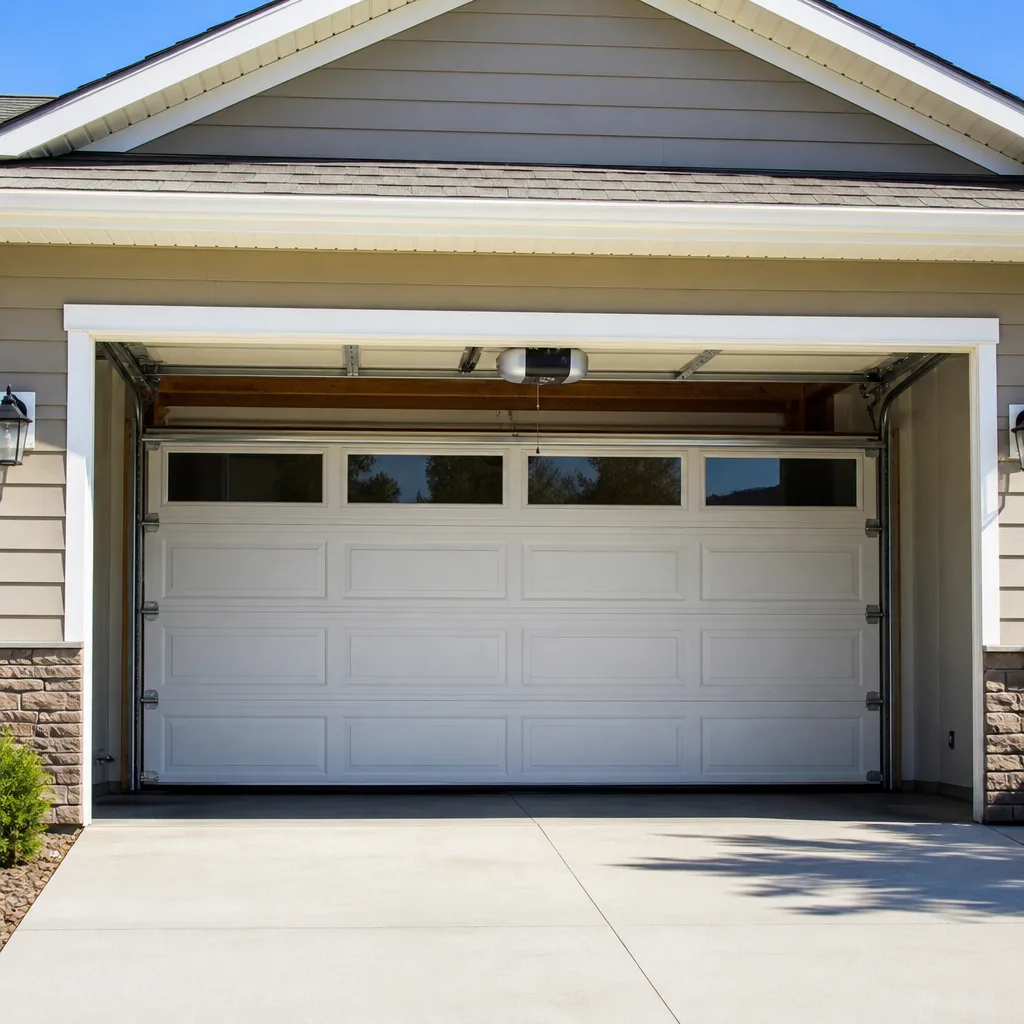 Chamberlain openers
Full 25-point door and opener safety check with every visit - springs, cables, rollers, tracks, and your LiftMaster or Chamberlain opener included
You get a price before we start. It does not change when the truck arrives.
Get your free estimateGarage Door Repair Troubleshooting in Highland: Common Problems and How to Fix Them
Here’s something that surprises most Highland homeowners: a garage door that reverses before it closes is not a sensor problem roughly 40% of the time. It’s a spring tension issue that tricks the opener’s force settings into thinking the door just hit an obstruction. The symptom looks electronic, but the root cause is mechanical. This guide walks through the four interdependent systems inside every garage door setup so you can trace the real problem before spending money on the wrong fix. We’ll cover what’s safe to check yourself, what signals immediate danger, and how the Inland Empire’s heat cycles create quirks you won’t find in coastal towns.
Styles & brands we work with
- Raised-panel steel
- Carriage house
- Modern flush
- Full-view glass
- LiftMaster openers
- Chamberlain openers
Quick Answer
Most garage door failures in Highland trace back to one of four systems: springs, cables, opener, or tracks. Start by disconnecting the opener and lifting the door manually. If it’s heavy or won’t stay up, you have a spring problem. If it moves easily by hand but struggles with the opener, the issue is electronic or in the force settings. Broken springs and cables off their drums are safety risks that need a trained technician; sensor alignment and track debris are usually safe to inspect on your own.
Table of Contents
- The Four Systems That Make Your Door Work
- What’s Safe to Check Yourself vs. What’s Not
- How Highland Heat Affects Your Tracks and Rollers
- The Diagnostic Sequence: A Step-by-Step Checklist
- Brand-Specific Quirks: Chamberlain vs. LiftMaster Blink Codes
- Noise Symptoms and What They Actually Mean
- Opener Symptoms That Mimic Mechanical Failures
- Common Mistakes to Avoid
- When to Call a Professional
- Frequently Asked Questions
- The Bottom Line
The Four Systems That Make Your Door Work
Every garage door in Highland, whether it’s a Clopay installed last year or a Wayne Dalton that’s been lifting since the early 2000s, runs on four independent systems. They’re designed to work together, which is exactly why a failure in one often looks like a problem with another. Understanding what each system does makes every symptom easier to trace.
The Springs: The Muscle
Your springs do the actual lifting. Most homes in Highland have either torsion springs mounted above the door opening or extension springs running along the horizontal tracks. A torsion spring is under enormous tension at all times, and when it breaks, it sounds like a gunshot inside the garage. Extension springs are less dramatic but can still snap with force. Either way, the door becomes nearly impossible to lift manually because the opener was never designed to lift the full weight on its own. This is also why a broken spring is the most commonly misdiagnosed problem we see. The opener strains, the door hangs crooked, and people assume the opener motor failed. In most cases, the opener simply burned itself out trying to compensate for a spring that gave up.
The Cables: The Safety Net
Cables run alongside the springs and connect to the bottom corners of the door. Their job is to transfer lifting force evenly and keep the door moving straight. When a cable slips off its drum, which Highland homeowners sometimes notice after the door jolts or hits an object in the track, one side of the door drops. The door then angles severely, seizes in the tracks, and looks like a major structural failure. It’s actually a cable issue, but the symptoms mimic a broken track or bent panel. If a cable is off the drum, do not attempt to re-seat it yourself. The tension involved can cause serious injury.
The Opener: The Brain
The opener is the motor unit hanging from the ceiling. It reads force settings, runs travel limits, and in modern units, talks to Wi-Fi. But the opener is not the source of most mechanical failures. It’s the interpreter. When springs weaken or tracks bind, the opener detects resistance and reacts. Sometimes it reverses. Sometimes it stops mid-cycle. Sometimes it flashes error codes. Homeowners in Highland often call about opener failure when the real issue is a door that’s become too heavy or too tight for the system to handle. That’s why a garage door opener repair starts with checking the door balance, not the circuit board.
The Tracks: The Guide Rails
Tracks are the vertical and horizontal rails that guide the rollers. They don’t lift anything, but they dictate how smoothly the door moves. In Highland’s summer heat, steel tracks expand. If a track was installed with bolts torqued too tight or the mounting brackets were aligned to winter dimensions, that expansion causes binding. The door hesitates, groans, or stops entirely. This is frequently mistaken for roller failure or a weak opener. The fix is often a simple track adjustment, not a parts replacement.
When you understand these four systems, the diagnostic process becomes a process of elimination. The rest of this guide walks you through that process, system by system, with the Highland climate in mind.
What’s Safe to Check Yourself vs. What’s Not
Before touching anything, you need to know where the danger line is. Some components are safe to inspect and adjust. Others can cause severe injury if handled without training and proper tools. The rule is simple: anything under active tension is off-limits. Anything that’s purely mechanical and releasing that tension can wait for a professional.
Safe to Check Yourself
- Sensor alignment: Look for blinking lights on the photo eyes near the floor. Wipe the lenses gently with a dry cloth. Check that the small LEDs on both sides are lit solid, not flickering.
- Track debris: Look for pebbles, leaves, or cobwebs inside the vertical tracks. Clear them with your hand or a dry brush. Don’t use water or lubricant inside the track itself.
- Roller condition: Visually inspect rollers for cracks, flat spots, or wobble. If a roller is visibly damaged, replacing it is a moderate job, but if the roller is on the bottom bracket where the cable attaches, leave it to a technician.
- Opener force settings: On most Chamberlain and LiftMaster units, there are small dials on the motor unit labeled up force and down force. If your door reverses without hitting anything, sometimes a slight increase corrects it. But never max these out. If the door still struggles on the highest reasonable setting, the problem is mechanical, not electronic.
- Track alignment: Stand back and look at the tracks from the center of the garage. They should be parallel and plumb. Gaps or curvature at the joints are visible indicators of a problem.
Not Safe to Check Yourself
- Torsion springs: Do not attempt to adjust, tighten, or replace a torsion spring. These springs are under hundreds of pounds of torque. A slip can break bones or worse.
- Cables: If a cable is off its drum, do not try to re-seat it. The cable is tensioned to the spring. Releasing it incorrectly can whip the cable and injure anyone nearby.
- Bottom brackets: The bottom fixtures where cables attach are load-bearing. Removing them without releasing spring tension first is extremely dangerous.
- Welded or broken track sections: If a track has separated from its bracket or bent sharply, moving the door can cause it to fall. Leave the door in place and call for service.
When in doubt, leave the door alone. Highland homeowners who try to fix a broken torsion spring themselves typically end up with a bigger repair bill than if they’d called first. The cost of a professional garage door repair is always less than the cost of an emergency room visit plus the follow-up repair anyway.
How Highland Heat Affects Your Tracks and Rollers
Highland sits inland, where summer temperatures regularly climb past 100 degrees. That heat does something specific to garage door hardware: steel expands. A standard residential track can grow a fraction of an inch in length during the hottest part of the day. In a properly installed system, that expansion is absorbed by small gaps at the joints. But if the bolts were torqued too tight or the brackets shifted over time, the metal has nowhere to go. The result is binding, which feels exactly like a roller going bad or an opener losing power.
This is a Highland-specific problem that coastal cities don’t see. Along the coast, the temperature swing is mild, and tracks stay closer to their installed dimensions year-round. In Highland, the swing between a cool winter morning and a blazing summer afternoon is often 40 to 50 degrees. That cycling works bolts loose over time, especially on older doors that haven’t been serviced in years.
Another factor is the dust. The Inland Empire gets dry, fine dust that settles inside the tracks. Combined with heat, that dust creates a paste that clings to rollers and slows the door’s movement. It’s not corrosive like salt air, which is good, but it does require occasional cleaning that most other climates don’t demand as often. A quick wipe down of the inner track surface with a dry rag every few months keeps this from compounding.
What you’re looking for when the door binds on a hot day is a track that has shifted inward at a joint. Sometimes you’ll see a gap between the track face and the wall bracket. Other times the roller will catch at the same spot every cycle. If the door only binds when the garage is hot but moves fine in the morning, that’s a strong signal the problem is thermal expansion, not a mechanical failure. The fix is usually realignment and re-torquing of the mounting bolts, which takes a technician about 30 minutes.
The Diagnostic Sequence: A Step-by-Step Checklist
Before calling anyone, run through this sequence. It takes about ten minutes and tells you whether you’re dealing with a spring, cable, opener, or track problem. You’ll also know whether the issue is safe to leave overnight or requires immediate attention.
- Disconnect the opener. Pull the red emergency release cord hanging from the track. This disconnects the door from the motor. Now lift the door by hand.
- Test the door’s weight. A properly balanced door should lift with two hands and stay in place about three feet off the ground. If it’s heavy or slams down, your springs are weak or broken. Stop here.
- Check for cable damage. Look at the cables on both sides. Are both seated on their drums? Is one frayed or slack? If yes, do not move the door further. Call a professional.
- Inspect the tracks. Run your hand along the inner track surface where the rollers travel. You’re feeling for dents, debris, or a rough spot that catches the roller. Mark any spot where the door hesitates.
- Reconnect the opener and run it. Pull the release cord again to re-engage the carriage. Run the door through a full cycle. Watch and listen for where it struggles.
- Read the opener lights. Count the flashes on the motor unit if the door fails to close. One flash and four flashes have different meanings depending on brand. See the next section for details.
- Note the temperature. Is the problem worse in the afternoon than in the early morning? If so, note that when you call. It matters for track-related issues in Highland.
This sequence narrows the problem to one system in almost every case. The most important step is the first one. A door that’s heavy by hand is always a spring issue, regardless of what the opener is doing. Fixing the opener without addressing the spring is a waste of money.
Brand-Specific Quirks: Chamberlain vs. LiftMaster Blink Codes
Chamberlain and LiftMaster are both made by the same parent company, and many of their parts are interchangeable. But their error codes are not always the same meaning in the same context. If you’re reading blink codes off the motor unit, here’s what to look for.
Chamberlain Units
On a Chamberlain opener with a learn button, the diagnostic light blinks in sequences. Ten blinks is a common one. On many Chamberlain models, ten blinks means the safety sensors are misaligned or blocked. The door will refuse to close, or it will reverse immediately after touching the floor. The fix is usually simple: reposition the sensors so the LEDs on both units glow solid. But if ten blinks appears on a unit that’s over ten years old, the sensor wiring itself may be degraded. Highland’s dry heat tends to make plastic sensor housings brittle over time, which can throw a false blink code even when alignment looks fine.
Another Chamberlain pattern is five blinks, which often points to a motor overheat condition. This is more common in the summer, especially in Highland garages that aren’t insulated and get very hot during the afternoon. If the door has cycled multiple times, the motor might be in thermal protection mode. Give it 20 minutes and try again. If it still won’t move, there’s a deeper issue.
LiftMaster Units
LiftMaster openers use similar but not identical codes. Ten blinks on some LiftMaster models means the door won’t close because something is blocking the safety beam. On others, it means the door has hit the force limit repeatedly and entered a lockout state. The distinction matters. A blocked sensor is safe to fix yourself. A lockout state means the door has been binding repeatedly, and the opener is shutting down to protect itself. If you clear the sensor and the code returns, the real problem is track drag or spring fatigue.
LiftMaster units with Wi-Fi, such as the brand’s smart garage door openers, sometimes flash a code that the app will explain more clearly on your phone. Check the app before assuming the worst. Many Highland homeowners we’ve worked with have solved a mysterious blink code by simply updating the opener’s firmware through the app. It’s a quirk of smart openers that older units don’t have.
Genie Units
Genie openers use a different system entirely. Many Genie units show a long LED that flashes in groups of red or green. A flashing red light usually means something is blocking the door or sensors. A flashing green light often means the unit is in vacation mode or the force settings have been adjusted. On Genie units with a wall console, check the lock button. If the lock feature is engaged, the door won’t move and the console will blink. This is one of the most common false alarms in opener diagnostics.
The takeaway: don’t guess based on the blink alone. Pull the manual release first, check the door balance by hand, and then read the code. The code tells you what the opener thinks is wrong. The manual check tells you whether the opener is right.
If the brand on your opener is a Genie and you’re seeing the red light plus a door that’s heavy to lift, the spring is the issue, not the electronics. Prestige Garage Door Repair works across LiftMaster, Chamberlain, and Genie, along with Clopay and Amarr doors, so the brand on your hardware is never an obstacle to a correct diagnosis.
Noise Symptoms and What They Actually Mean
Garage doors make noise. Some of it is normal. A lot of it is not. Knowing the difference can save you from a surprise failure at the worst possible time.
A Loud Bang Before the Door Stopped Working
If you heard a sharp crack, like a firecracker or a small car backfiring, that’s a torsion spring snapping. The door will immediately become heavy, and the opener will likely not lift it. This is not a DIY repair. The spring is under tremendous tension, and replacing it requires winding bars and safety procedures. The door should stay closed and the emergency release should not be pulled until a technician arrives. This is the single most common spring failure mode in Highland, and it happens without warning on doors that are five to seven years old and beyond.
Grinding or Metal-on-Metal Scraping
Grinding typically means a roller has lost its bearing and is dragging its shell along the track. It can also mean the track itself has a burr from a previous impact. In Highland, the fine dust that settles in tracks accelerates roller bearing wear. A grinding door that’s left alone will eventually bind, and the opener will start tripping its force sensor. Replacing rollers is a straightforward job for a technician, and it’s far less expensive than waiting for the track to get gouged.
Popping or Creaking During Movement
Popping sounds usually come from loose hardware: track bolts, hinge bolts, or the brackets that mount the opener to the ceiling. In Highland’s heat, expansion and contraction cycles cause bolts to back out over time. The sound is the metal shifting against itself. Tightening everything is a simple fix, but you have to know which bolts to touch. The spring mounting bolts, in particular, should never be touched unless you’re trained to work with torsion assemblies.
Squealing or High-Pitched Whining
Squealing comes from friction. It’s usually a dry roller bearing or a hinge that needs lubrication. On belt-driven openers, a high-pitched whine from the motor unit can mean the belt is too tight. On chain-driven openers, it can mean the chain needs adjustment. These are maintenance issues, not failures, but left alone they accelerate wear on more expensive parts.
Opener Symptoms That Mimic Mechanical Failures
The opener is the smartest component on your door, but it’s also the one most likely to be blamed for problems it didn’t cause. A modern opener reads resistance and responds by refusing to work. That’s a safety feature, not a malfunction. But it creates confusing symptoms.
The Door Reverses Right Before It Hits the Floor
This is the classic force-sensor misread. The opener thinks it hit something because the down force setting is too low or the door has developed more resistance than it used to. The resistance often comes from track dust, dry rollers, or a weakening spring. If the door moves easily by hand, try increasing the down force slightly. If it still reverses, have the mechanical parts inspected. Highland’s dust accumulation is a frequent culprit here. Wipe the tracks and check that the rollers spin freely before adjusting anything.
The Door Opens Partway and Stops
If the door opens to the same spot and stops, it’s usually a limit switch problem. On older units, the limit is set with small screws on the motor unit. On newer units, it’s set through the wall console or app. But before touching the limit, release the door and open it by hand. If it binds at the same point, the track is the problem, not the opener. Thermal expansion on a hot afternoon in Highland will do exactly this. The door stops where the track is tight, and the opener thinks it’s reached the limit.
The Opener Runs But the Door Doesn’t Move
This usually means the carriage, the part that connects the opener rail to the door, has disengaged. The opener is running the chain or belt, but the door is not attached. Pull the emergency release and re-engage the carriage by running the opener until it locks back into place. If the carriage keeps disengaging, the internal gear or sprocket may be stripped. On Chamberlain and LiftMaster units, a stripped gear is a common failure on doors that are too heavy for the opener, which circles back to spring health.
The Opener Light Flashes But the Door Doesn’t Move
A flashing light with no movement is almost always the safety sensors or the lock feature. On Genie units, check the lock button on the wall console first. On LiftMaster, check the sensor alignment. On Chamberlain, check both. If the sensors are lit solid but the door still won’t move, look at the wiring. In Highland, where rats and mice sometimes chew wiring in garages that back up to open fields, rodent damage is a real possibility. A chewed sensor wire throws the same code as a misaligned sensor.
When you can’t pin it down, that’s when a dedicated garage door opener repair call makes sense. The technician has seen enough Highland garages to know which symptoms are seasonal, which are wear-related, and which are brand-specific.
Common Mistakes to Avoid
- Replacing the opener when the spring is broken. An opener is not designed to lift a full-weight door. If the spring snapped and you install a new opener, the new opener will burn out in months. Fix the spring first.
- Spraying WD-40 on everything. WD-40 is a solvent, not a lubricant. It cleans but doesn’t leave the right film on rollers and hinges. It also attracts dust, which accelerates wear in Highland’s dry climate. Use a garage-door-specific lubricant.
- Adjusting torsion springs without training. Torsion springs store enough energy to break bones. This is the most dangerous mistake a homeowner can make. Call a professional.
- Ignoring a door that’s gotten louder. Noise is a warning. A grinder today is a jammed door next week. Listen to your door and address the sound before it becomes a failure.
- Assuming the sensors are always the problem when the door reverses. Force settings, spring sag, and track drag all mimic sensor failure. Check the manual balance before blaming the photo eyes.
- Leaving the door open because “it’s stuck.” A door that won’t close leaves the whole house exposed. If you can’t close it, remove any valuables from the garage and lock the interior door. Then call for service. A garage door stuck open in a Highland summer also lets in serious heat.
- Using power tools on track bolts that are near springs. If you’re not sure the bolt is safe to touch, don’t touch it. Vibrations from an impact driver can cause a spring to slip or a cable to jump.
When to Call a Professional
Some problems are not diagnostic puzzles. They’re hazards. If you’ve found a broken spring, a cable off its drum, a door that’s come off its tracks, or a bent panel that’s causing the door to bind, stop working on it and call for help. These are the situations where continuing to move the door can cause a catastrophic failure, a falling door, or serious injury.
The same goes for openers that have been in service for more than 12 years and are failing intermittently. At that age, replacing the unit is often more cost-effective than chasing parts. But don’t guess on your own. Prestige Garage Door Repair offers free estimates in Highland, and our technicians work on the brand you already own. Call (833) 593-5123. We answer 24/7. Fast dispatch from 7am to 7pm, Sunday through Friday.
From a broken spring to a full new door, we’ll tell you which fix actually makes sense, not which one makes the most money. Repair or replace, the recommendation comes from someone who’s worked on the exact equipment in your garage.
Frequently Asked Questions
A single torsion spring replacement in Highland typically falls between $180 and $340 for the spring and installation, depending on the spring size and cycle rating. Most doors have two springs, so expect the pair to fall between $360 and $680. A technician will replace both springs if one has snapped, since the other is almost certainly near the end of its life too. Call (833) 593-5123 for an exact quote. Estimates are free.
Yes. We answer 24/7 and dispatch technicians from 7am to 7pm, Sunday through Friday. A call outside dispatch hours is booked into the next opening, Sunday through Friday, 7am to 7pm. Same-day service is available for most spring replacements in Highland.
Yes, a door that won’t close leaves your garage and any tools, bikes, or storage inside exposed. It also lets heat, dust, and animals in. If you can’t close your door, use the manual release only after checking the spring and cable condition, and secure the interior door to the house. Then call for repair.
Most common parts, including springs, rollers, hinges, and opener components, are stocked on our trucks. That means many garage door repairs in Highland are completed in a single visit because we bring the brand-specific parts with us.
No. The price is set by the written estimate and agreed before work begins. We don’t quote one number and invoice another. If we find additional damage during the job, we stop and show you before doing anything extra.
Yes. We work across Clopay, Amarr, Wayne Dalton, Raynor, and the other major door brands installed in Highland homes. Our technicians also handle openers from LiftMaster, Chamberlain, and Genie. The brand on your equipment is not an obstacle.
The Bottom Line
Most garage door problems in Highland are easier to solve than they look, but only if you start in the right place. Trace the symptom to its system: springs, cables, opener, or tracks. Check the door’s manual balance before blaming the electronics. Respect the heat’s effect on your tracks. And never work on a component under tension. When the diagnosis is unclear or the risk is high, call a technician who knows every major brand and has seen every failure mode the Inland Empire can throw at a garage door. That’s the fastest way back to a door that works quietly, closes fully, and keeps your house secure.
Written by the team at Highland garage door specialists Prestige Garage Door Repair, serving Highland since 2014.
See the difference
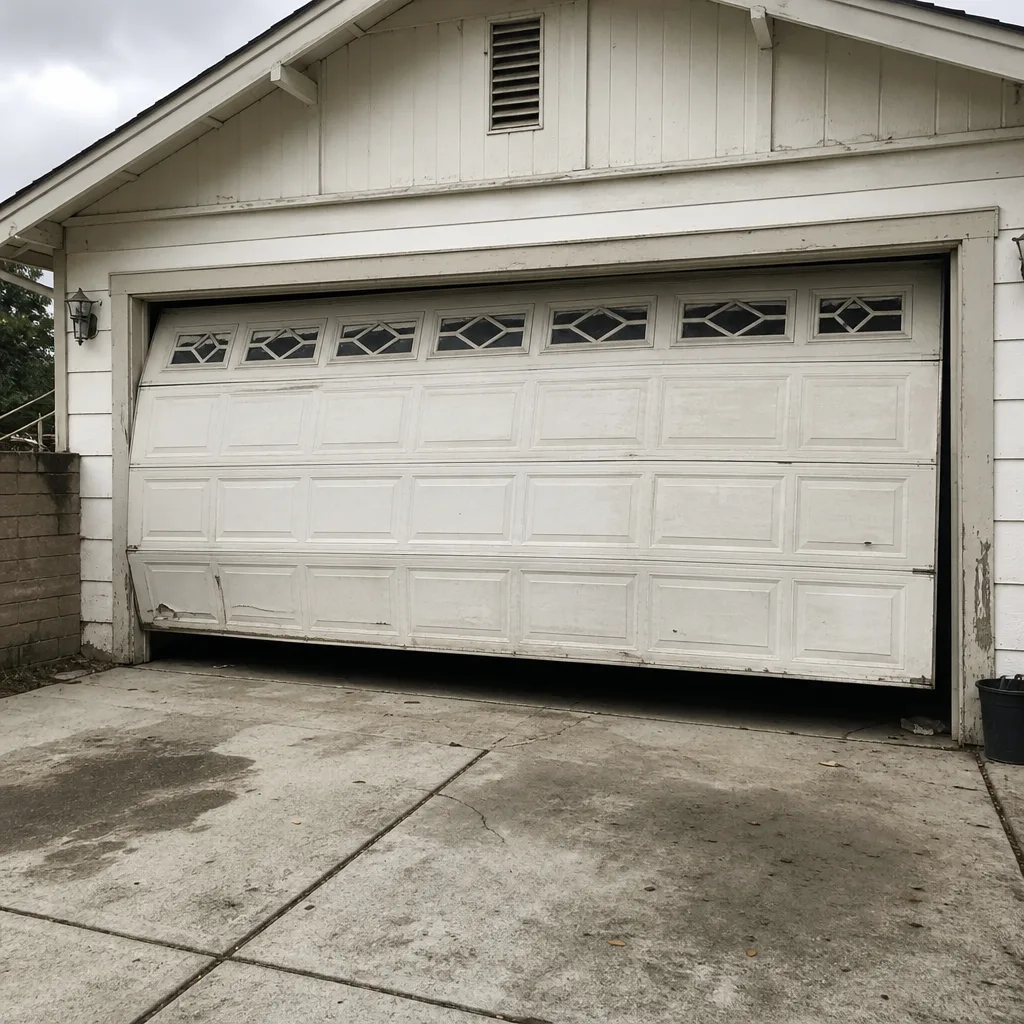 Before
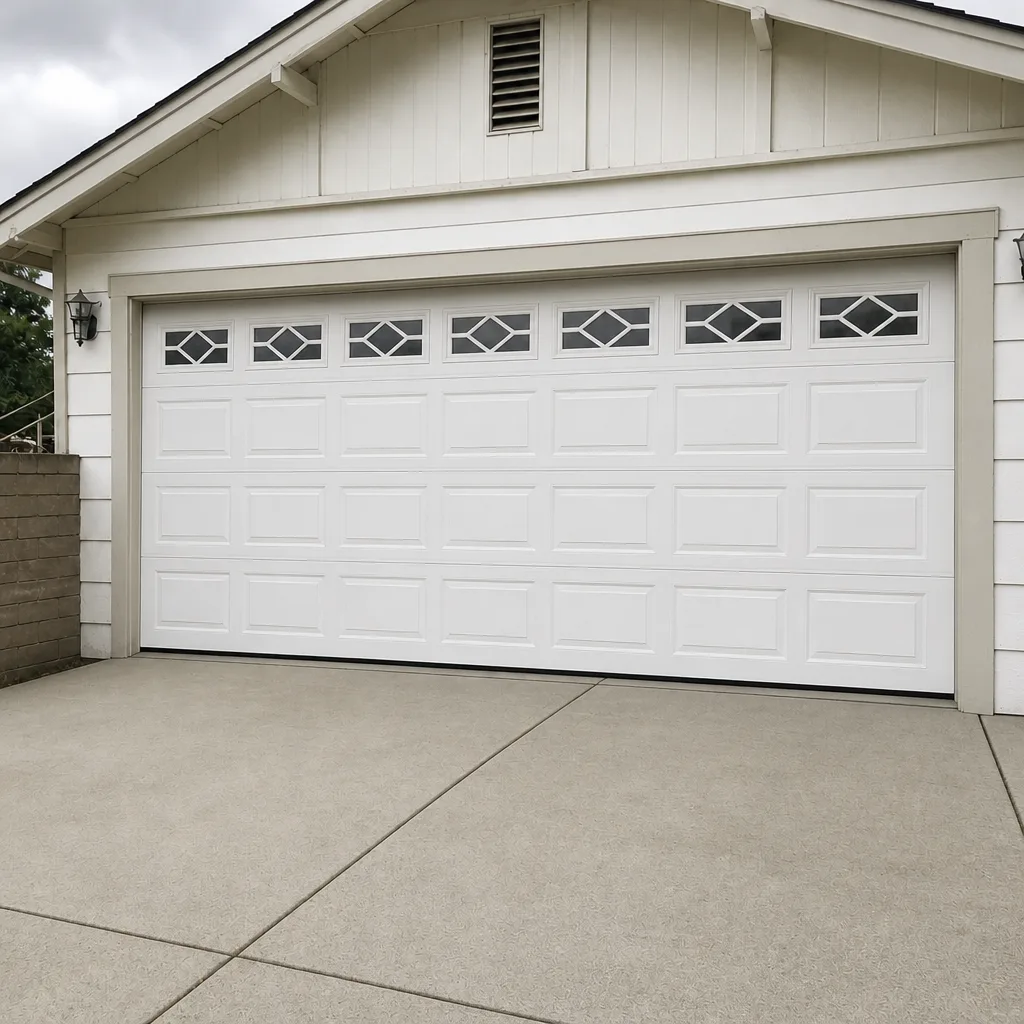 After
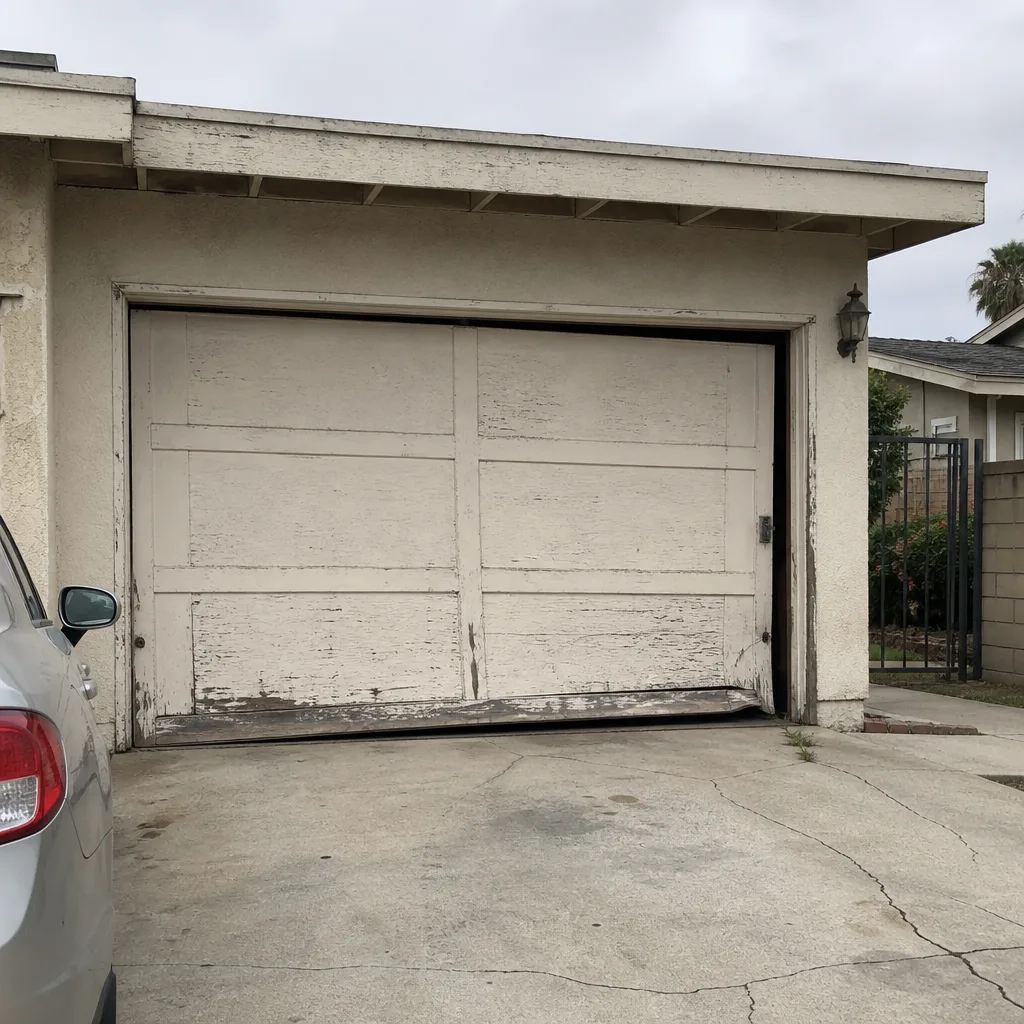 Before
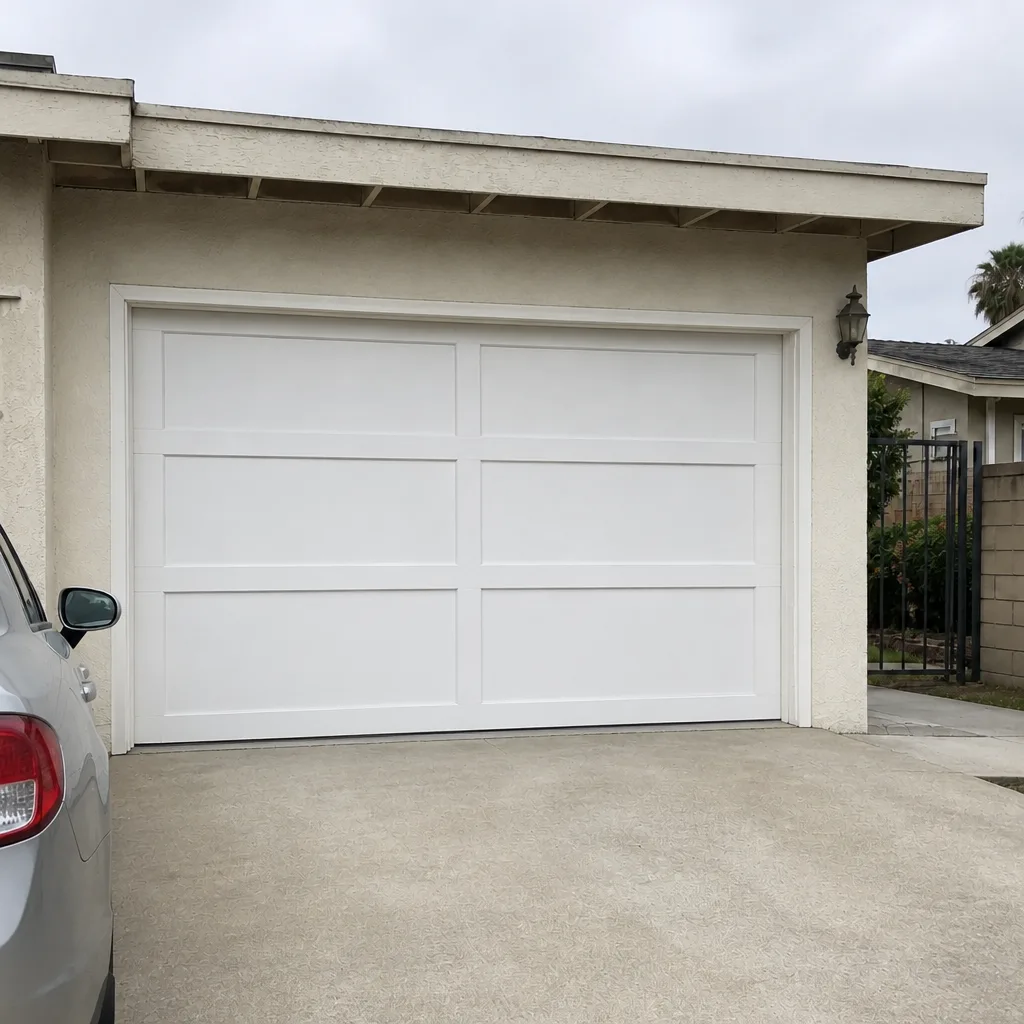 After
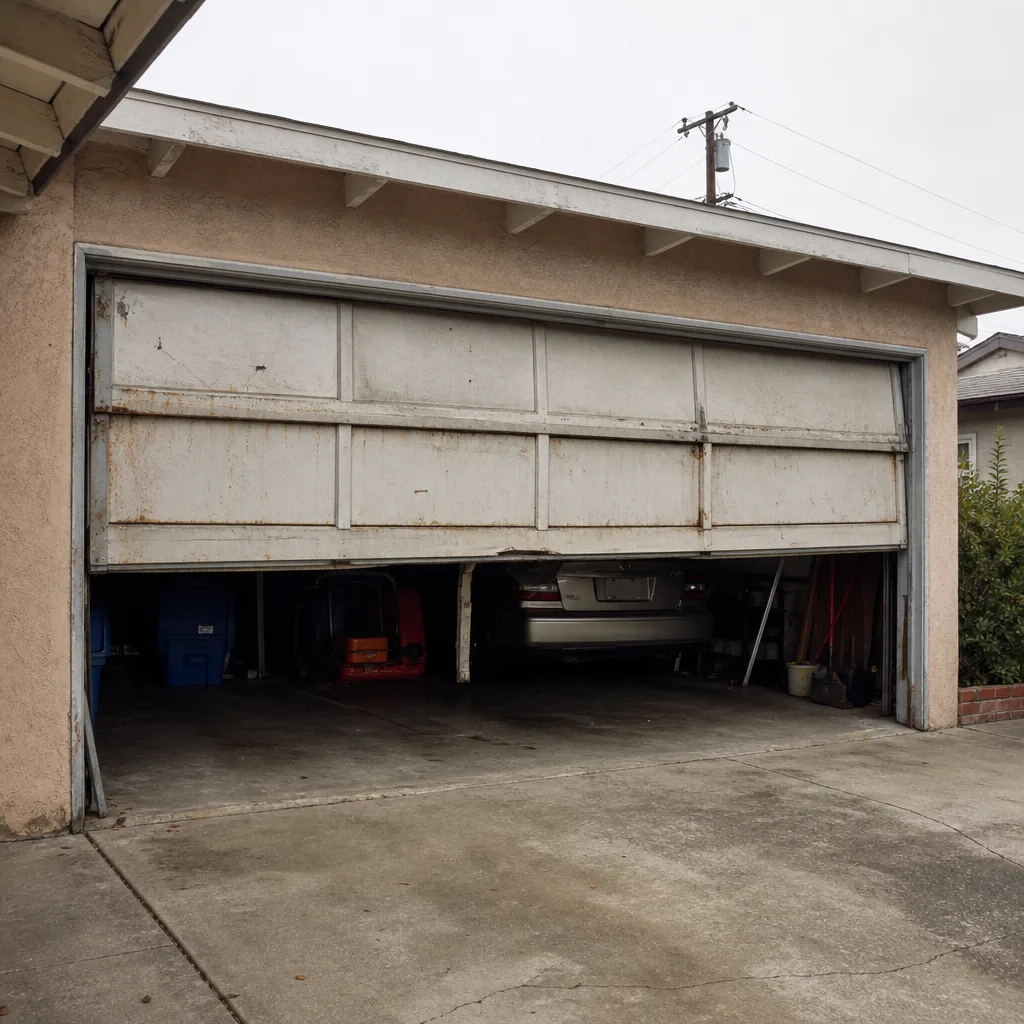 Before
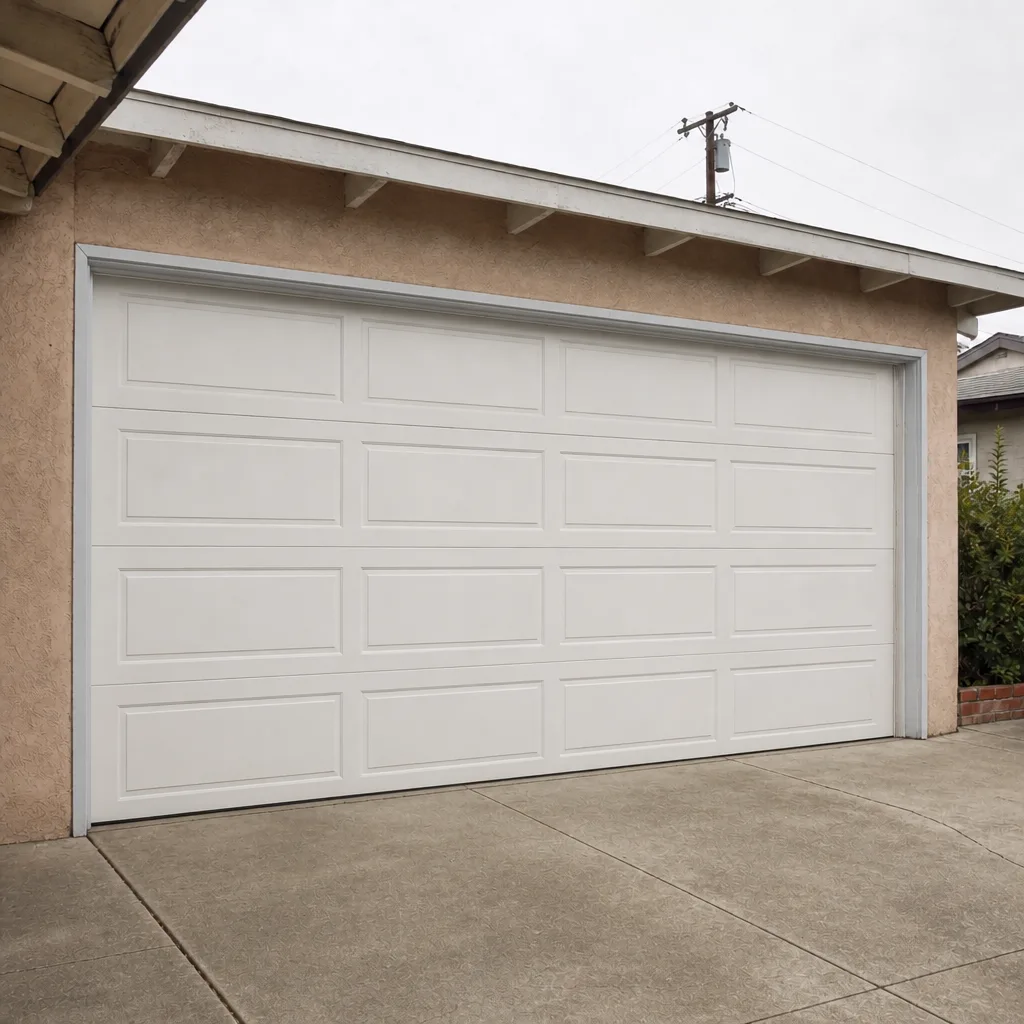 After