
Last updated November 4, 2026
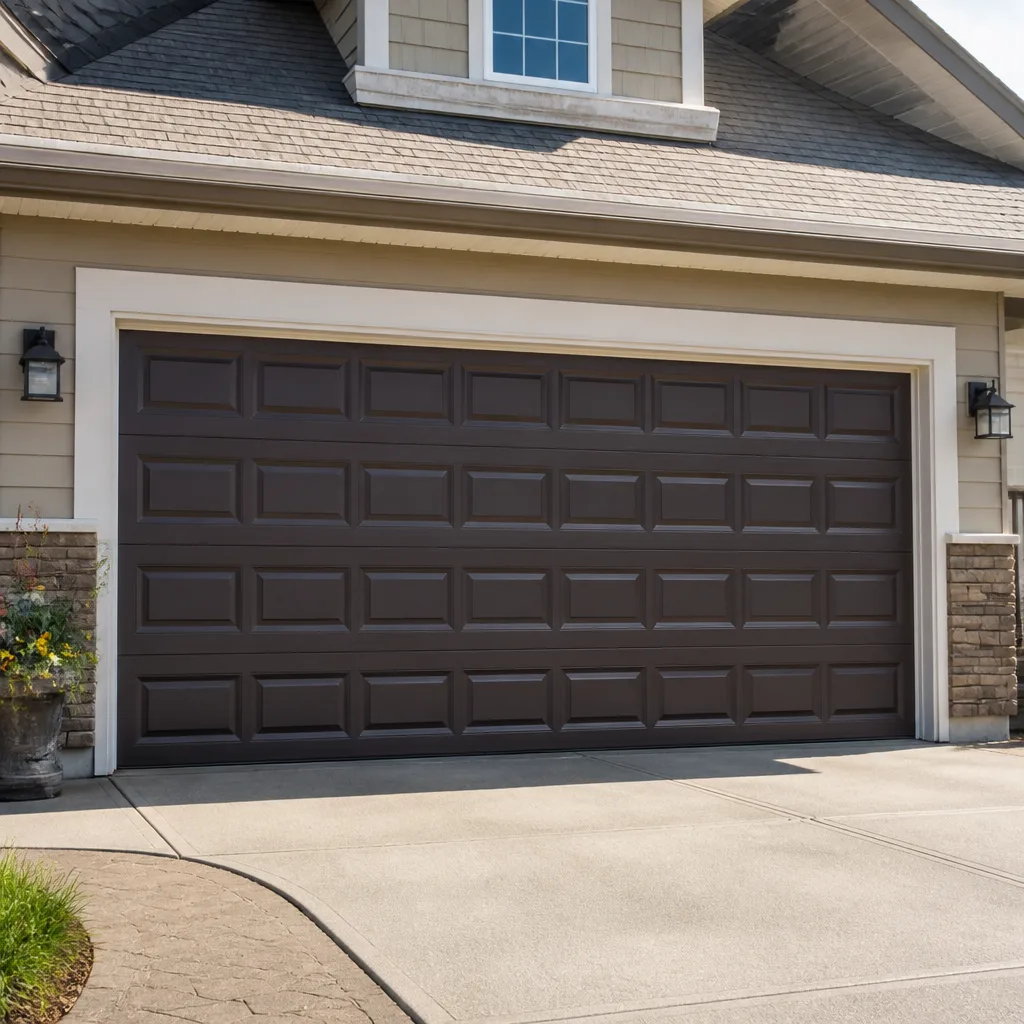 Raised-panel steel
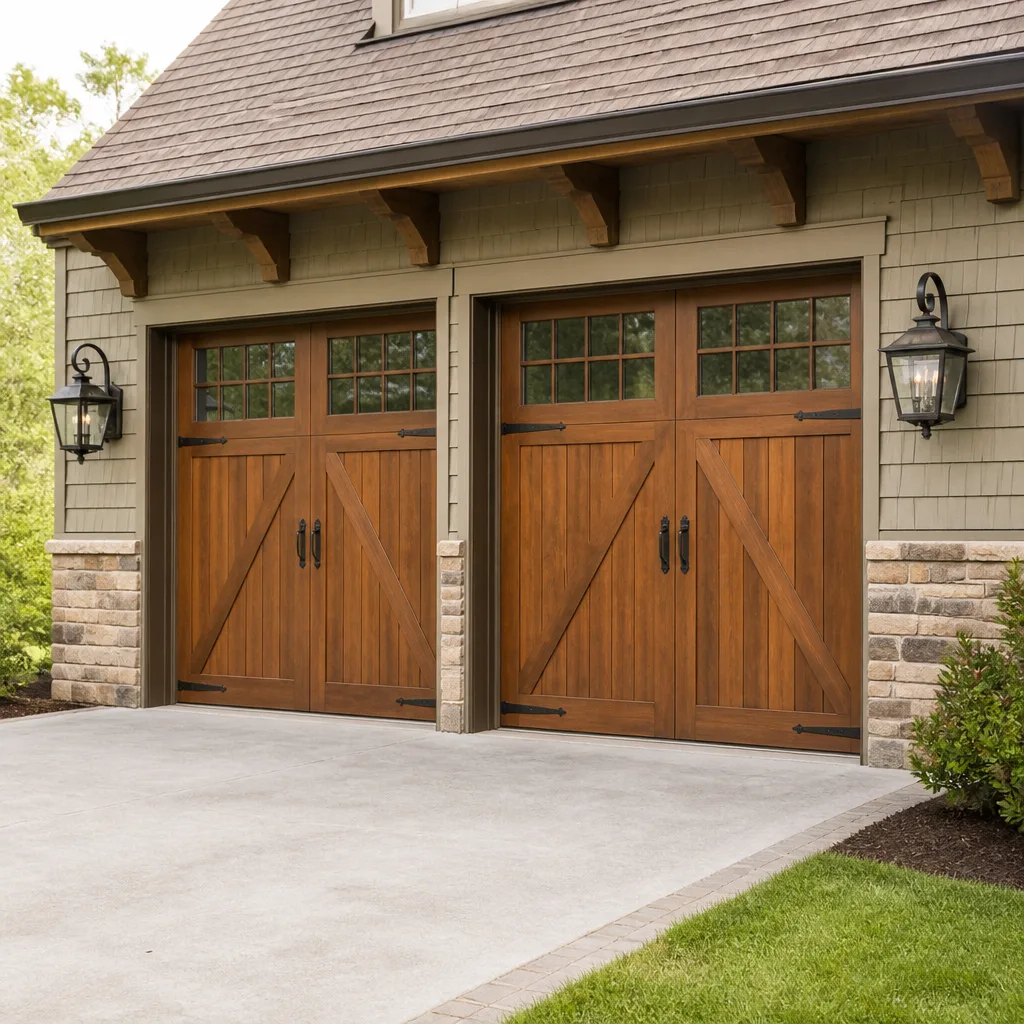 Carriage house
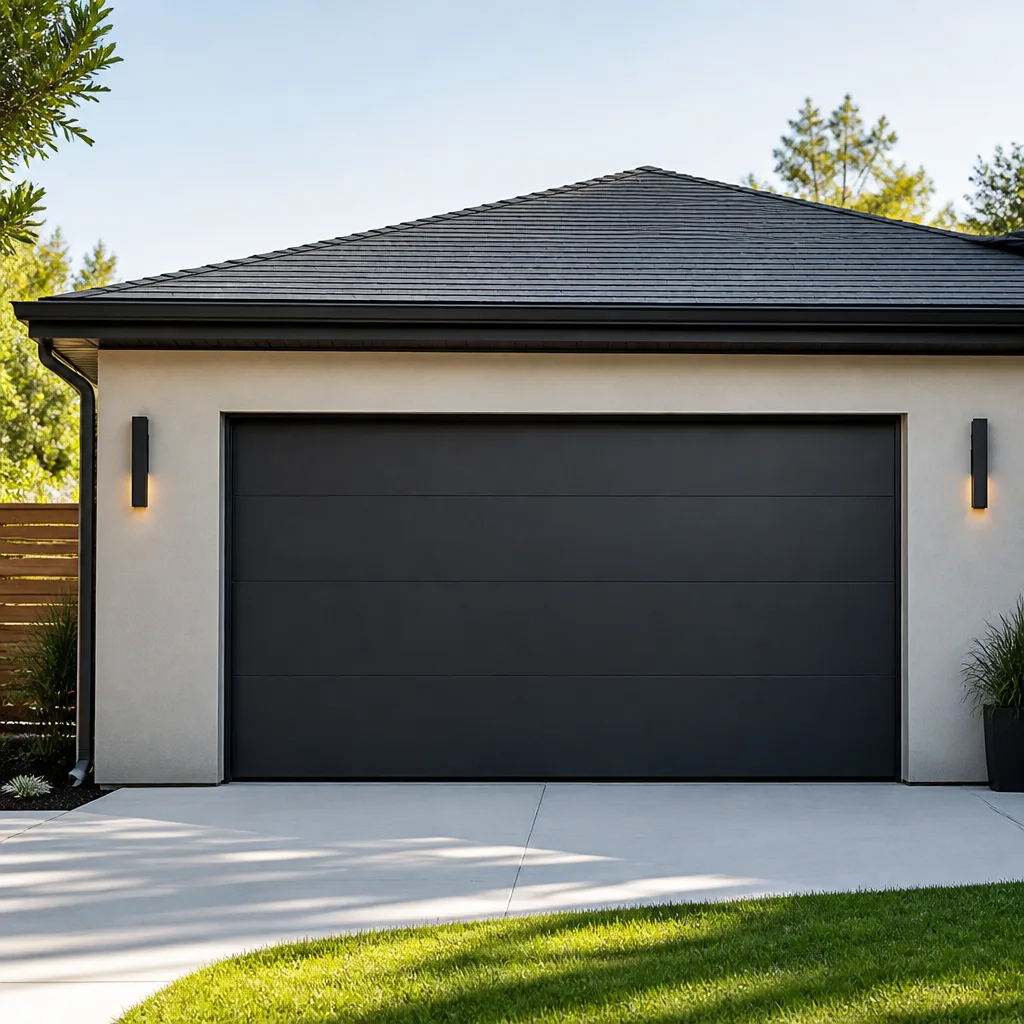 Modern flush
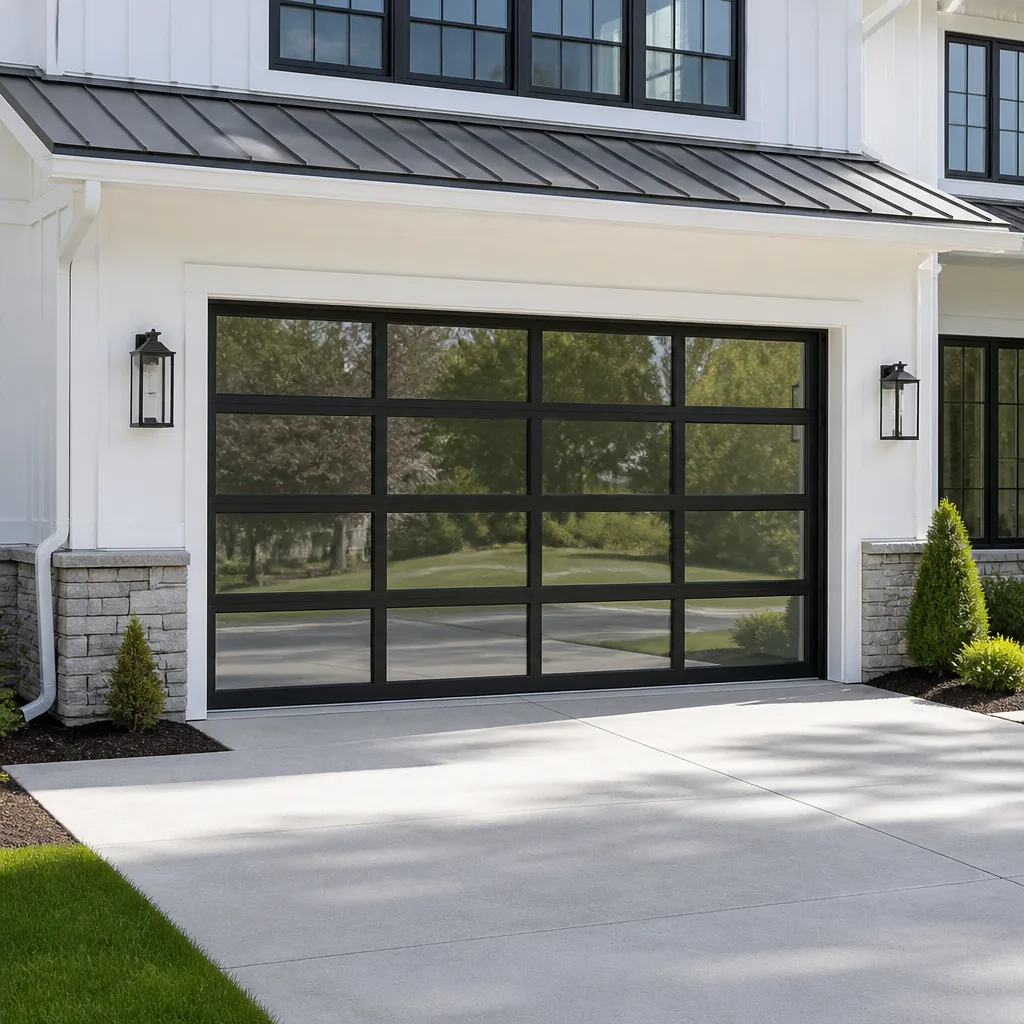 Full-view glass
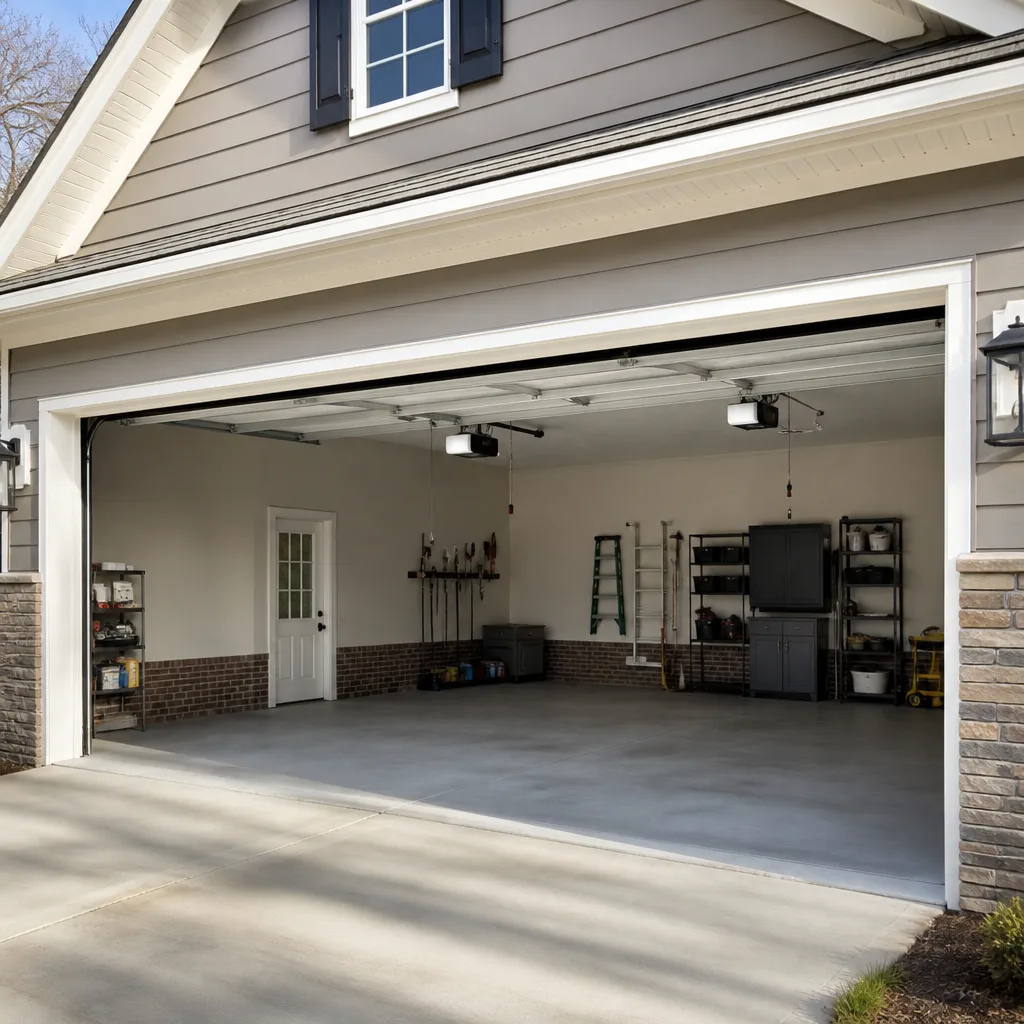 LiftMaster openers
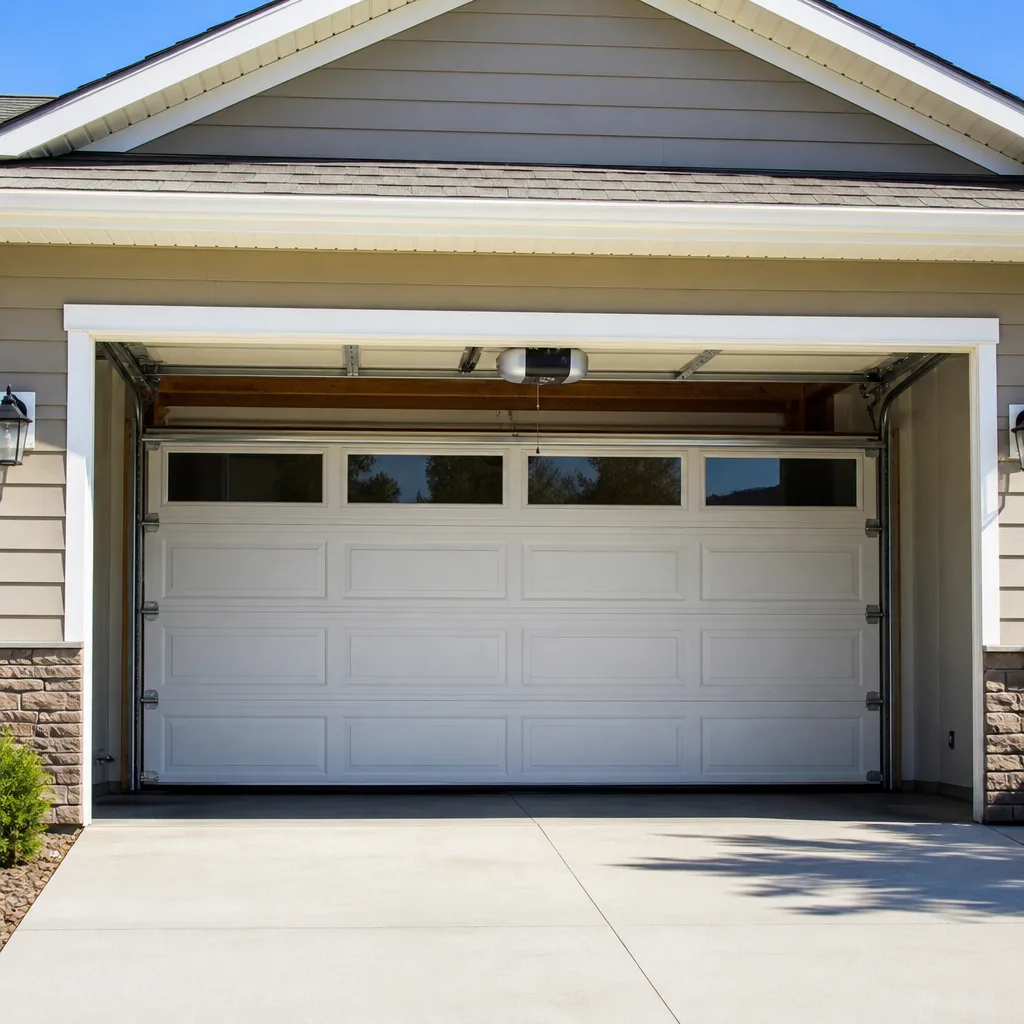 Chamberlain openers
Full 25-point door and opener safety check with every visit - springs, cables, rollers, tracks, and your LiftMaster or Chamberlain opener included
You get a price before we start. It does not change when the truck arrives.
Get your free estimateSeasonal Garage Door Care for Highland: Year-Round Homeowner’s Guide
Lubricating garage door springs in October makes sense in Denver. In Highland, October is when you’re recovering from five months of heat damage, and the timing and the tasks are completely different. Most maintenance guides you’ll find online assume a four-season climate with snow, ice, and a hard freeze. Highland doesn’t follow that calendar. It follows a heat cycle, a wind season, and a brief mild window, and each phase puts stress on different components. This guide is built around what actually happens to garage doors in the Inland Empire, so you’ll know exactly what to check, when to check it, and what you can safely handle yourself versus what needs a trained technician.
Styles & brands we work with
- Raised-panel steel
- Carriage house
- Modern flush
- Full-view glass
- LiftMaster openers
- Chamberlain openers
Quick Answer
Seasonal garage door maintenance in Highland means preparing for extreme heat in April, monitoring components through the summer months, assessing heat damage in October, and doing lubrication and seal replacement during the mild window from November through February. The most vulnerable parts are torsion springs, bottom seals, photo-eye sensors, and opener motor capacitors. Most homeowners can handle lubrication and visual inspections, but spring work and cable adjustments should always go to a professional.
Table of Contents
- Understanding Highland’s Heat Cycle and What It Does to Your Door
- Pre-Heat-Season Prep: What to Do in April
- Peak Summer Protocols: June Through September
- Post-Summer Assessment: October
- Wind-Event Readiness: Santa Ana and Cajon Pass Conditions
- The Mild-Weather Window: November Through February
- Common Mistakes to Avoid
- When to Call a Professional
- Frequently Asked Questions
- The Bottom Line
Understanding Highland’s Heat Cycle and What It Does to Your Door
Highland sits in the Inland Empire, where summer temperatures routinely climb into the high 90s and low 100s for weeks at a time. Your garage door is the largest moving object in your home, and it spends most of July and August baking in direct sun. The heat does three things: it accelerates metal fatigue in springs, it dries out and shrinks rubber seals, and it forces your opener motor to work harder every single cycle.
Torsion springs are rated for a certain number of cycles, usually 10,000. High heat doesn’t directly reduce that number, but it does amplify any existing weakness in the metal. A spring that’s already lost tension will fail faster when the steel expands and contracts daily. The same applies to cables. Cables don’t stretch much under normal use, but repeated exposure to 100-degree days followed by 60-degree nights creates micro-movement at the attachment points. Over a season, that’s thousands of small stress cycles, and it’s why we see more cable fraying in Highland garages in September than in June.
Your bottom seal takes a different kind of beating. The rubber compound used in most residential weatherstripping starts to harden when temperatures stay above 95 degrees for extended periods. Once it hardens, it shrinks. The gap at the corners of your door that was half an inch in May can be an inch by August, and that’s how dust, insects, and hot air get in. Highland’s dry climate means the shrinkage happens faster here than in more humid areas, because there’s no moisture in the air to slow the drying process.
Pre-Heat-Season Prep: What to Do in April
April is the month to get ahead of the heat. The work you do now takes about an hour and can prevent most of the damage that accumulates between May and September.
- Lubricate all moving parts. Use a white lithium grease on the torsion spring coils and a silicone-based lubricant on hinges, rollers, and the opener rail. Don’t use WD-40 on springs; it’s a solvent, not a lubricant, and it will strip the existing coating. Work the door up and down a few times after applying so the lubricant distributes evenly.
- Inspect springs for gaps and rust. Walk under the door (with the door closed) and look at both torsion springs. A healthy spring has tight, even coils with no daylight between them except at the very ends. If you see a gap in the middle, the spring has started to separate and needs professional attention before summer heat makes it worse.
- Check the bottom seal for flexibility. Press your thumb into the rubber weatherstrip at the bottom of the door. It should feel pliable and bounce back, not hard and brittle. If it’s already rigid in April, it won’t survive the summer.
- Clean the photo-eye lenses. The small infrared sensors near the floor on each side of your door get coated with dust and pollen in spring. Wipe them with a dry cloth. Misaligned or dirty photo-eyes are the top cause of openers that reverse for no reason.
- Test the balance. Pull the release cord so the door operates manually, then lift it halfway. A balanced door stays in place. If it falls or drifts upward, the springs are losing tension and need adjustment. This is not a DIY fix; spring tension work is dangerous.
If you’re not comfortable with any of these checks, a garage door technician can do a pre-season inspection in under an hour. The team here at Prestige Garage Door Repair works on the brand you already own, whether that’s LiftMaster, Chamberlain, Genie, or any other major name, so the inspection covers both the door and the opener. A quick tune-up in April means fewer emergency calls in August.
Peak Summer Protocols: June Through September
Summer in Highland is the stress test. This is when components that were marginal in spring start showing real symptoms. You don’t need to do heavy maintenance during these months; you need to monitor, because catching a problem in July before it becomes a failure in August is the difference between a repair and a replacement.
Photo-Eye Drift
Metal expands in heat. The brackets that hold your photo-eye sensors expand at a different rate than the door track they’re mounted on. Over weeks of 100-degree days, the sensors can drift slightly out of alignment, even if they were perfectly lined up in April. The symptom is an opener that starts closing, then reverses to fully open without anything in the way. If this starts happening, check whether the small indicator lights on both sensors are solid. A blinking light usually means misalignment. You can gently adjust the sensor housing by hand, but if the problem repeats every few days during a heat wave, the bracket itself may need to be re-secured.
Opener Thermal Shutoff
Modern garage door openers have a thermal protection circuit in the motor. When internal temperatures exceed safe limits, the opener shuts down and won’t respond for several minutes. This is protection, not a failure, but it’s frustrating when it happens midday. Chamberlain and LiftMaster units made in the last decade are fairly resilient, but older Craftsman units from the early 2000s shut down more readily in high heat. If your opener refuses to run on hot afternoons but works fine in the morning, the motor is overheating. Reducing the number of open-close cycles during peak heat and making sure the motor housing vents aren’t blocked with dust can help. If the problem continues, the unit likely needs opener repair or replacement, because thermal shutdowns get worse as capacitors age.
Seal Shrinkage
Your bottom seal is shrinking, and you’ll see it first at the corners, where the rubber pulls inward and leaves a visible gap. You may also see a line of dust and debris just inside the door, which means the seal is no longer making full contact with the concrete. The fix is replacement, and there’s no point doing it until October, after the hottest weather has passed. Replacing a seal in August just means the new rubber starts shrinking immediately.
Lubrication Check
Check the springs and hinges in late July. The lubricant you applied in April has likely dried out or been baked off by now. If the coils look dry or the door sounds louder than it did in spring, apply another light coat of lithium grease to the springs and silicone to the rollers. This single ten-minute step prevents a lot of mid-summer noise complaints and reduces wear on the spring coating.
Post-Summer Assessment: October
October is the most important month on this calendar, and it’s the one most homeowners skip. After five months of heat, certain components have aged as much as they would in two or three years in a cooler climate. This is when you assess what survived the summer and plan replacements before the mild season begins.
Springs: This is the most common post-summer failure point. The sustained heat has cycled the steel hundreds of times, and any weakness present in May has had five months to propagate. Look for visible gaps in the coils, rust at the ends, or a door that’s become harder to lift manually by October. If the door doesn’t balance at the halfway point, the springs are done. Spring replacement is always a two-person job with specialized tools; the tension in a residential torsion spring is enough to cause serious injury. This is not the place to save money with a DIY attempt.
Cables: Inspect both lift cables where they attach to the bottom brackets on either side of the door. Fraying starts as a few broken strands and looks like a fuzzy patch. Once even a few strands are broken, the cable has lost a significant portion of its strength and should be replaced. A cable that snaps while the door is moving can cause the door to fall unevenly and damage the track or the door itself.
Weatherstripping: If the bottom seal was pliable in April and is now hard, cracked, or visibly shrunk at the corners, it needs replacement. The same goes for the side and top weatherstripping, which dries out in Highland’s arid climate even though it’s partially shaded. Replacement is a straightforward job that most homeowners can do, and October is a reasonable time to do it, though you’ll get better results waiting for the mild window.
Opener performance: Run the opener through a full cycle and listen. Grinding sounds from the motor, a slow start, or a door that hesitates before moving upward are signs the motor is straining. That strain was likely present all summer, but it’s easier to hear now that the garage is cooler. If the opener is older and has never had gears or a drive belt replaced, this is when those parts tend to show wear. We handle opener diagnostics across all major brands including Genie and Raynor, and in many cases a gear-and-sprocket replacement costs far less than a new unit.
October is also when you should schedule any professional work that the summer revealed. We’re a full-lifecycle garage door specialist in Highland, which means the same crew that diagnoses your spring or opener can also walk you through a new door installation from Clopay, Amarr, Wayne Dalton, or Raynor if replacement makes more sense than another repair.
Wind-Event Readiness: Santa Ana and Cajon Pass Conditions
Highland doesn’t get hurricanes, but the Santa Ana season is real, and homes near the Cajon Pass corridor feel it more than most. Santa Anas bring sustained winds and sudden gusts that push against the broad face of your garage door, and that sideways pressure finds weak points in cables, track brackets, and bottom fixtures.
Garage doors are designed to handle wind when they’re closed and latched. The problem is that most doors have a small amount of play where the sections meet the vertical track, and repeated gusts rock the door back and forth within that play. Over one wind season, that rocking loosens the bolts that hold the track to the wall. Over multiple seasons, it can also weaken the bottom bracket where the lift cable attaches, especially if the bracket has any existing corrosion.
The wind check takes five minutes:
- With the door closed, stand inside the garage and look at both vertical tracks. Grab each track and try to wiggle it by hand. Movement of more than a quarter inch means the mounting bolts need to be tightened.
- Inspect the bottom brackets at each lower corner where the cable loops through. These brackets are under constant tension, and a Santa Ana wind event adds lateral load. Look for hairline cracks in the metal, and check that the bolts are tight.
- Press on the middle of the door from inside. A little flex is normal; a lot of flex, or a popping sound, suggests the section hinges are wearing.
- Run the door open and closed during a moderate wind event, if you can do so safely. Watch for side-to-side wobble that indicates loose rollers or worn hinges.
If you have an older wooden door, wind is more of a concern than with steel. Wooden sections are heavier, and a gust hitting a partially open wooden door puts serious strain on the cables and drums. If your door is more than 15 years old and original to the home, a pre-wind-season cable inspection is worth scheduling before Santa Ana season peaks.
The Mild-Weather Window: November Through February
This is the stretch when the garage door work that’s uncomfortable to do in July can happen without sweating through your shirt. It’s also when certain materials perform better during installation, since adhesives and rubber compounds cure more predictably in moderate temperatures.
Lubrication
This is the most important lubrication of the year, because it protects the components through the wetter, cooler months. Highland doesn’t get a lot of rain, but what it does get tends to arrive between December and March, and moisture accelerates corrosion on exposed metal. A proper November lubrication means the spring coating, hinge surfaces, and roller bearings all carry a protective layer through the damp season.
Apply white lithium grease to the torsion springs, working it into the coil gaps with a rag. Apply a silicone-based lube to the hinge pins, roller stems, and the opener rail. Wipe away excess so it doesn’t drip onto the drive belt. If you have a belt-drive opener, don’t lubricate the belt itself; it’s designed to run dry.
Weatherstripping Replacement
New weatherstripping installs best in moderate temperatures. In summer heat, the rubber is too flexible and stretches instead of seating. In cold weather, it’s stiff and hard to work with. November through February gives you rubber that’s pliable enough to seat correctly but firm enough to hold its shape while you’re fitting it. If your bottom seal showed shrinkage in October, this is the time to replace it. The work takes half an hour for a typical single or double door, and the seal itself is inexpensive.
Panel Painting and Cosmetic Work
If you have a steel door with fading or chipped paint, the mild window is the right time to repaint. Paint applied in 100-degree weather dries too fast and doesn’t bond well. The same goes for any wood trim or the door frame. You’ll get a cleaner finish and better durability if you do this work between November and February. If the door has dents or the bottom panels are rusting through from the inside, painting won’t fix the problem, and this is a good time to evaluate whether a new door installation makes more sense than more patch work. Prestige Garage Door Repair installs Clopay, Amarr, Wayne Dalton, and Raynor doors, and the mild season means a faster, cleaner install with no heat-related complications.
Opener Diagnostics
Cooler weather is also when we see older openers reveal problems that heat masked. A Craftsman unit from the mid-2000s might run fine in summer because the heat loosens the grease inside the motor. When temperatures drop into the 50s, that grease thickens, and the opener starts grinding or moving slowly. If your opener sounds different in December than it did in July, that’s not a coincidence. It’s a sign the internal gears or the drive mechanism are at the end of their service life, and it’s better to diagnose it in February than to lose the opener entirely in June. Our team provides dedicated garage door opener repair in Highland, covering both legacy systems and modern smart-home-connected units from LiftMaster and Chamberlain.
Common Mistakes to Avoid
- Lubricating the door only once a year. In Highland’s climate, lubricants break down faster in summer heat. A single annual application in the fall leaves the door running dry by July, when open-close cycles are most frequent.
- Using WD-40 on springs. WD-40 is a solvent that strips lubricant. It will make the spring look clean for a week and then accelerate surface rust. Use white lithium grease or a dedicated garage door lubricant.
- Ignoring seal shrinkage until there’s a visible gap. By the time you can see daylight under the door, the seal has been failing for months. Check in April and again in September, and replace at the first sign of hardening.
- Adjusting spring tension yourself. Torsion springs under tension store enough energy to seriously injure a person. There are YouTube tutorials, and none of them are worth the risk. This is the one repair where the professional fee is always justified.
- Assuming a noisy door is just a characteristic of the door. Grinding, popping, and squealing are symptoms, not personality. In most cases, the cause is a worn hinge, a dry roller, or a spring losing tension. All of them get more expensive the longer they go unfixed.
- Running the opener through full cycles during peak heat unnecessarily. If the door is only going to be open for ten minutes, leave it open. Every cycle adds heat to the motor during July and August, and thermal shutoffs are mostly a problem for doors that cycle constantly in the afternoon.
- Skipping the October assessment because the door “seems fine.” The component damage from five months of heat doesn’t always show up immediately. The October check is specifically designed to catch heat damage that hasn’t failed yet but will fail soon, usually at the worst possible time.
When to Call a Professional
Some garage door maintenance is safe and sensible as a homeowner task: lubrication, seal replacement, cleaning photo-eye lenses, and visual inspections all fall into that category. Other work should never be attempted without training and proper tools.
Call a professional if: a torsion spring has a visible gap or is broken; a lift cable is frayed or has snapped; the door falls when released manually instead of holding its position; the opener makes grinding noises or shuts down repeatedly in heat; the bottom bracket is cracked or loose; or the door has come off its track. These are not slow-failure situations, and most of them involve stored energy that can release suddenly. Prestige Garage Door Repair offers free estimates in Highland. Call (833) 593-5123.
Frequently Asked Questions
Lubricate twice a year: once in April before the heat season, and once in November when temperatures moderate. The summer heat in Highland breaks down lubricants faster than in cooler coastal climates, so a single annual application isn’t enough. Call (833) 593-5123 if you want a technician to handle it during a seasonal tune-up.
Your opener is likely hitting its thermal protection limit. The motor overheats in the high afternoon heat, especially if the garage itself isn’t ventilated, and the unit shuts down until it cools. Older openers are more prone to this. If it happens regularly, the motor or capacitor may be weakening. We handle garage door opener repair for every major brand, and we can diagnose whether it’s a thermal issue or something more serious.
Replace it during the mild-weather window from November through February, or as soon as the rubber becomes hard and shrinks at the corners. Highland’s dry heat hardens seals faster than humid climates do, so check flexibility in April and again in October. For a full door inspection that includes all seals, call (833) 593-5123.
No. Torsion springs on residential garage doors are under extreme tension, and clearing that tension without the proper winding bars and training can cause serious injury or death. Even if you have watched tutorial videos, the risk isn’t worth the cost savings. A professional spring replacement is a one-visit job that includes rebalancing the door.
Santa Ana winds push against the broad face of the door and rock it within its track, which loosens track bolts and stresses bottom brackets over repeated wind events. Homes near the Cajon Pass corridor feel this more strongly. Check track mounting bolts and cable brackets before wind season peaks, and call (833) 593-5123 if you find movement.
It depends on the condition of the panels, the age of the springs and opener, and the type of damage. If the panels are structurally sound and the door is a quality steel unit, repair usually makes sense. If the bottom panels are rusting through from the inside or the door is original to a home built decades ago, replacement often costs less over five years than repeated repairs. As a team that handles both garage door repair and new installation, we’ll tell you which one actually makes sense, not which one makes us more money.
The Bottom Line
Highland garage doors live in a specific set of conditions: five months of extreme dry heat, a Santa Ana wind season that stresses cables and track hardware, and a mild winter window that’s ideal for the work you don’t want to do in July. The maintenance calendar that matters here is simple: prep in April, monitor through summer, assess in October, and replace worn seals, lubricate thoroughly, and handle cosmetic work between November and February. Catch problems early, and you’ll get years more life from your door and opener. Ignore the heat cycle, and you’ll be calling for an emergency repair in August. Prestige Garage Door Repair serves Highland homeowners with full-lifecycle service: repair, opener repair, and new installation on every major door and opener brand. Call (833) 593-5123. We answer 24/7. Fast dispatch from 7am to 7pm, Sunday through Friday.
Written by the team at Prestige Garage Door Repair, serving Highland since 2014.
See the difference
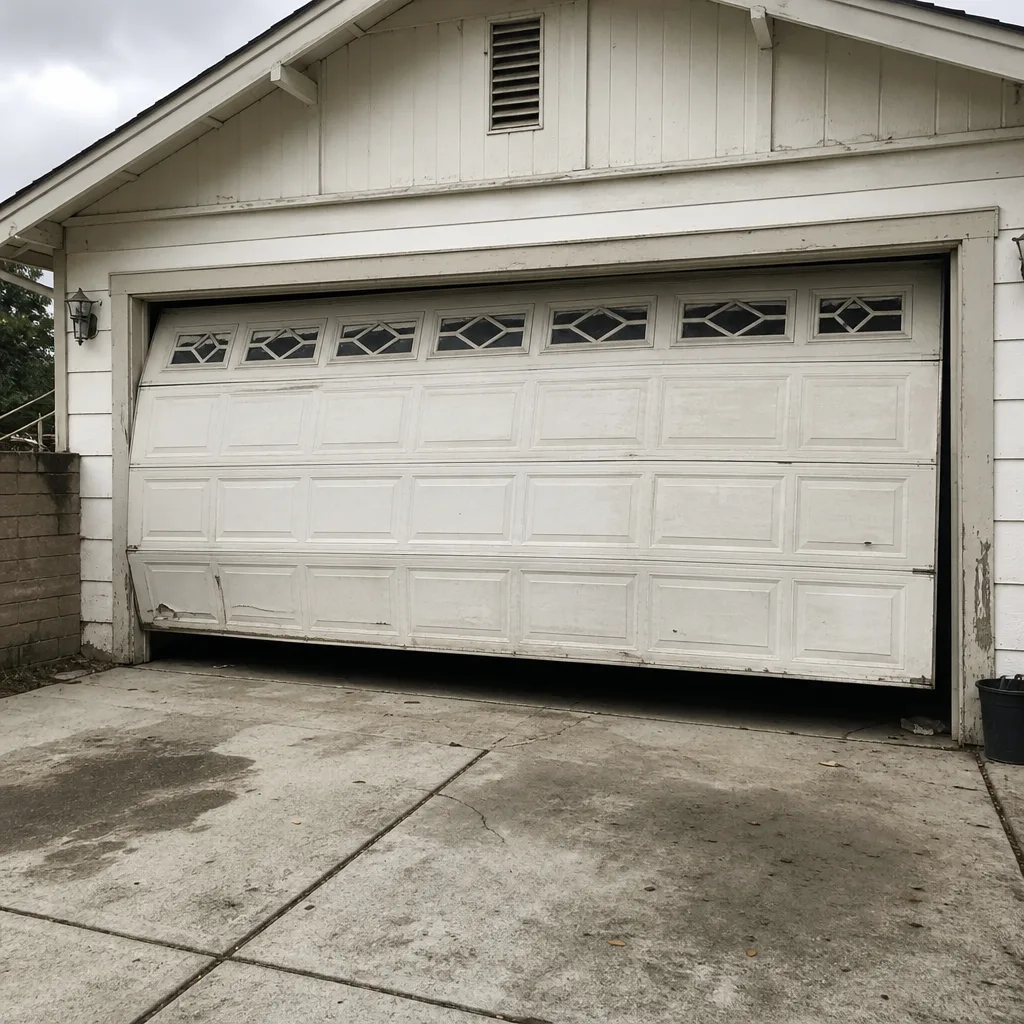 Before
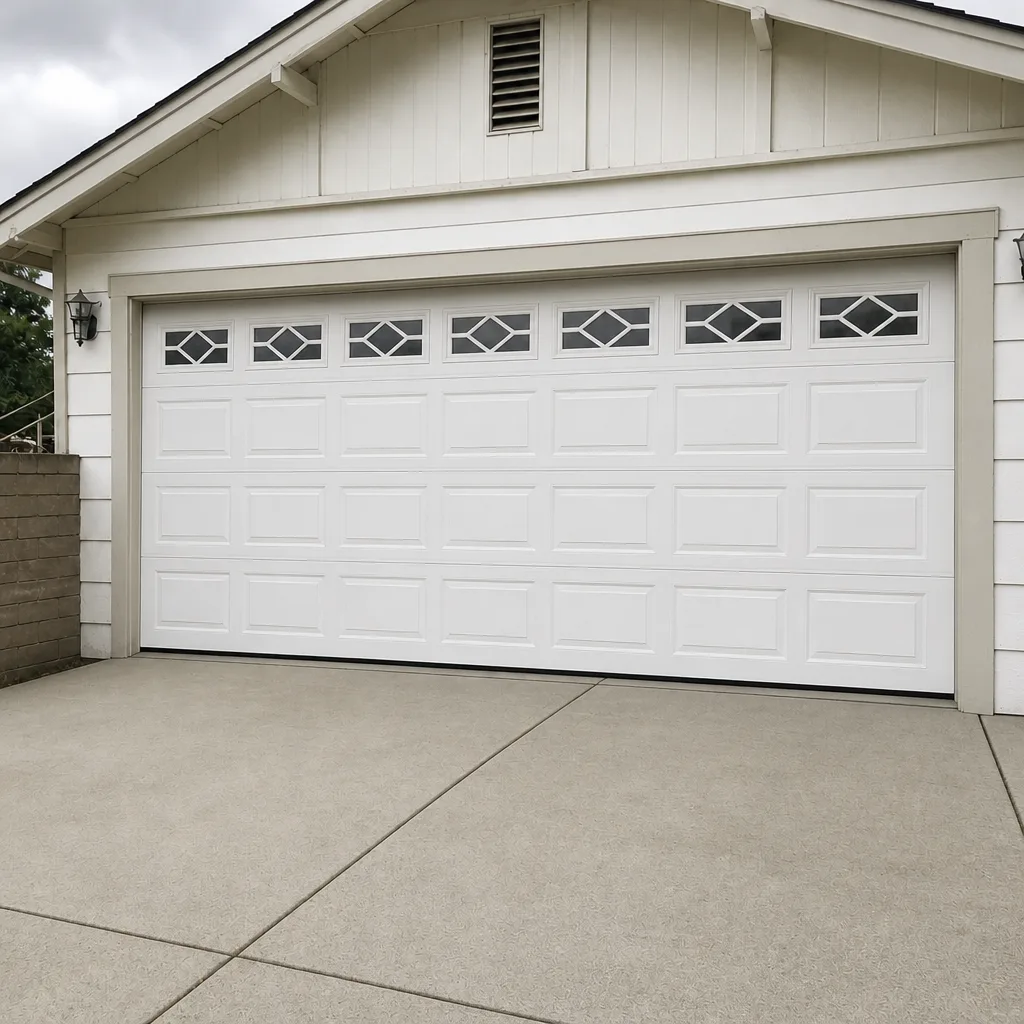 After
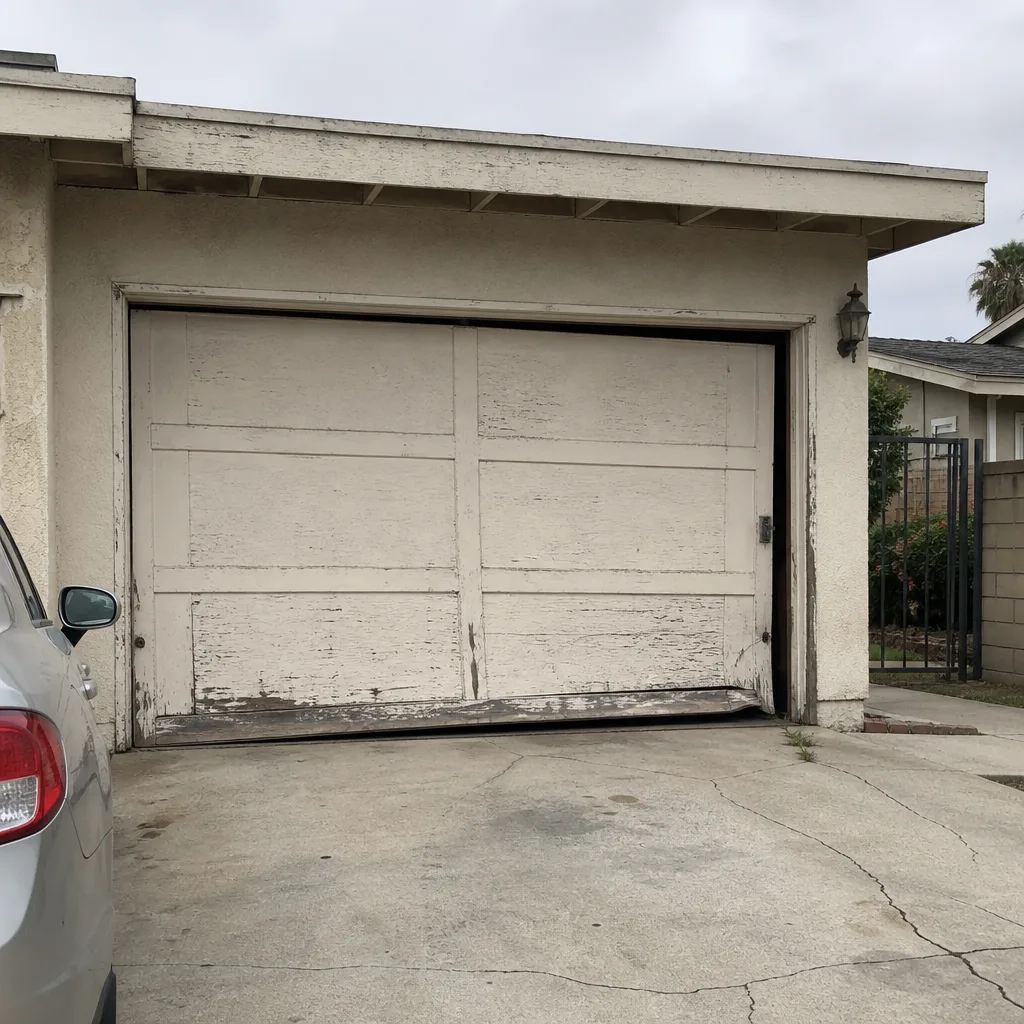 Before
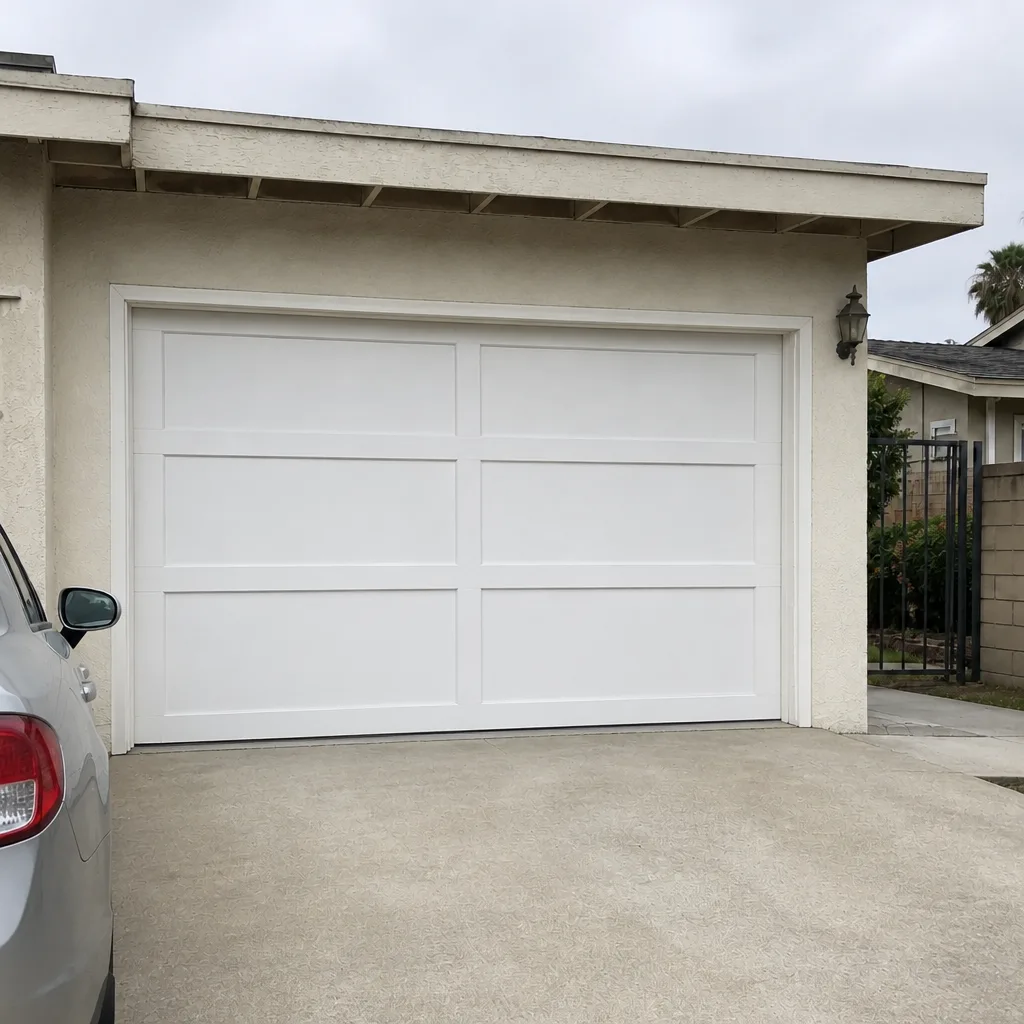 After
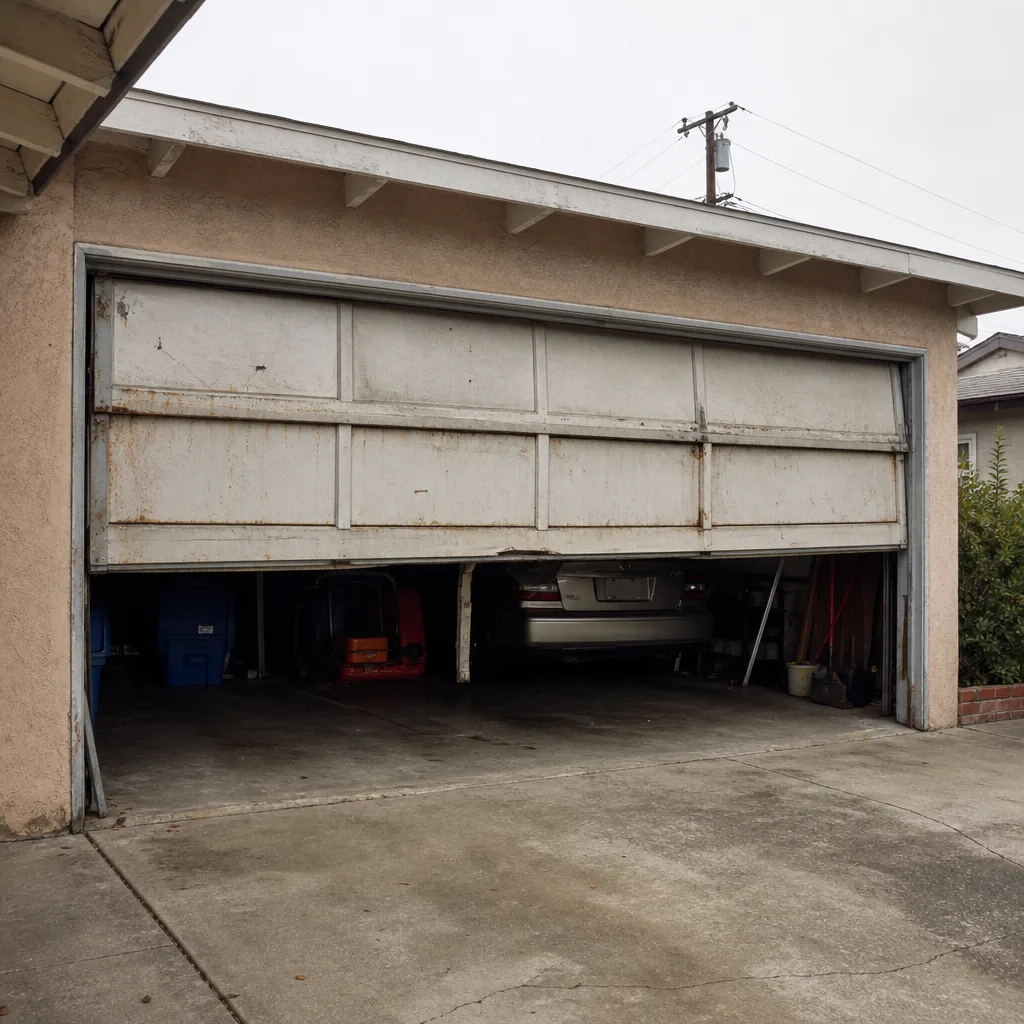 Before
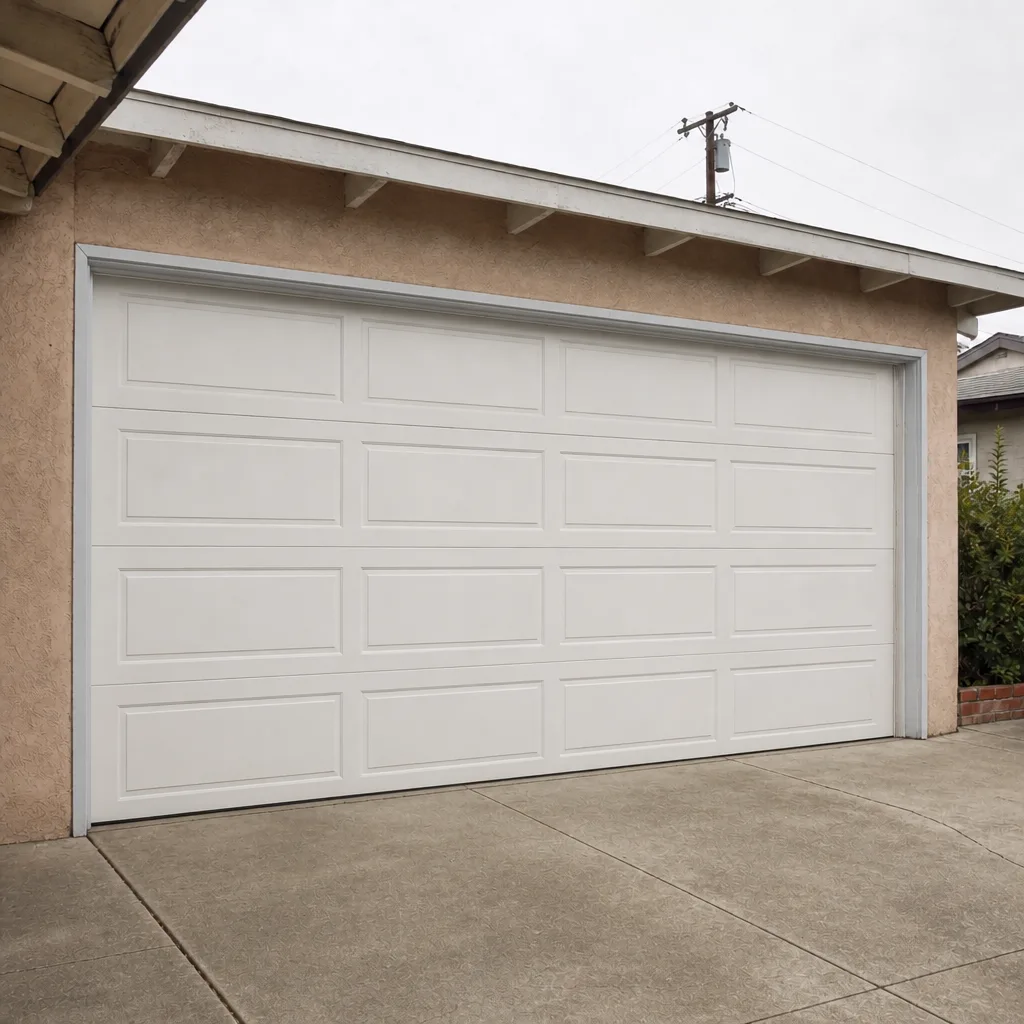 After