
Last updated November 4, 2026
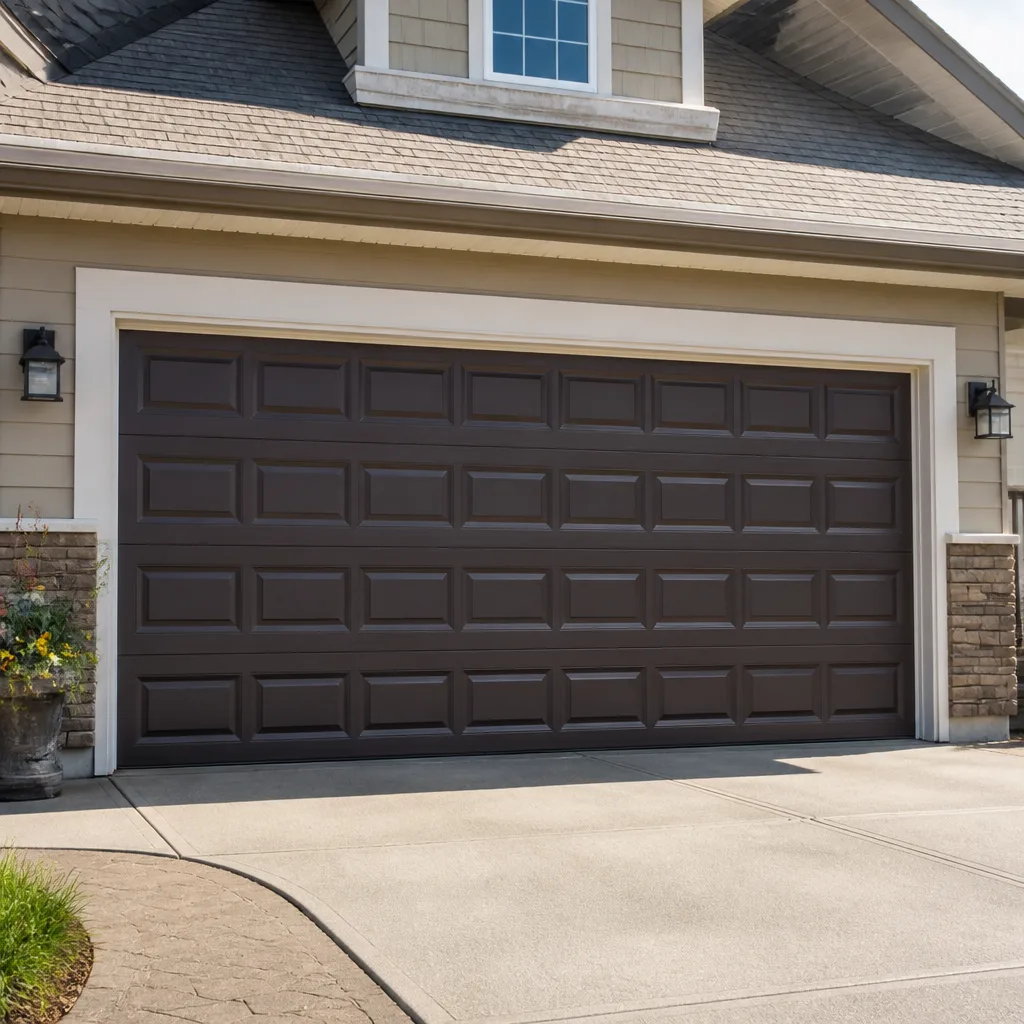 Raised-panel steel
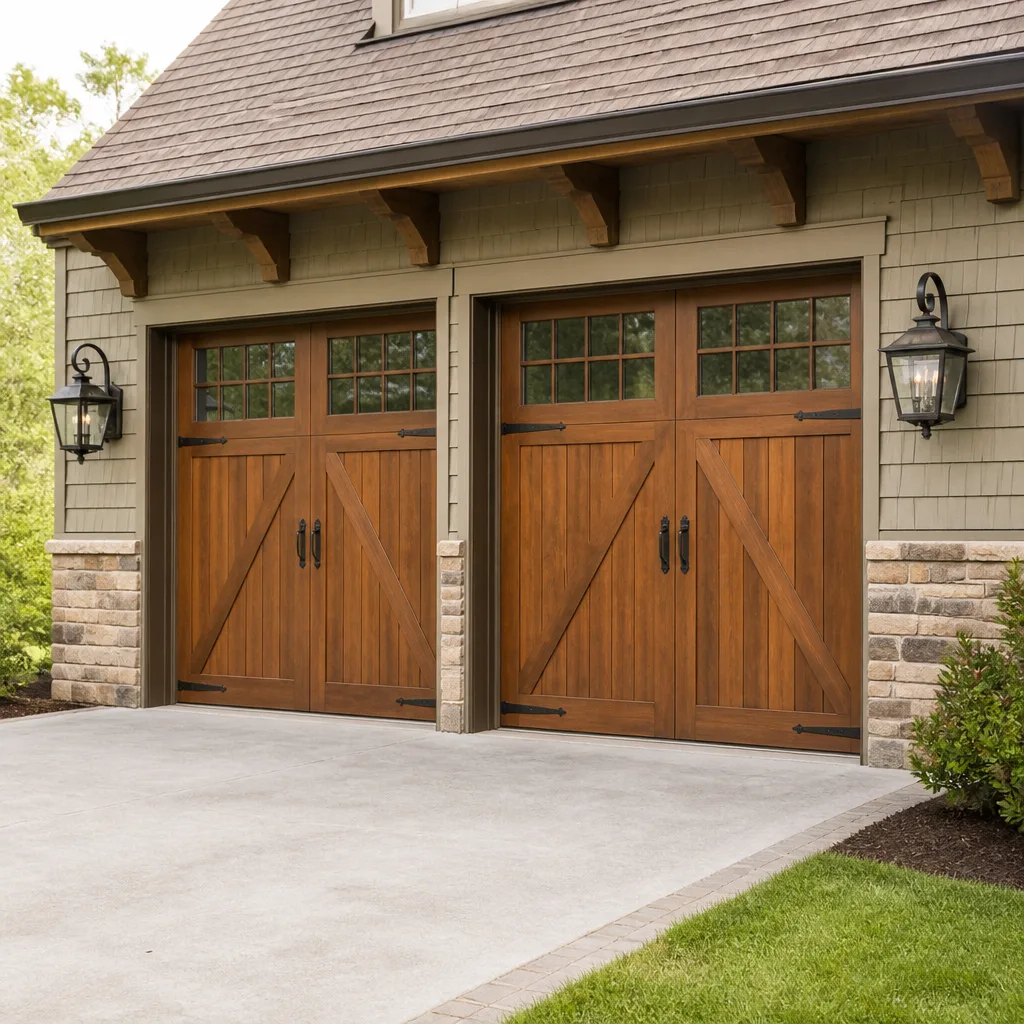 Carriage house
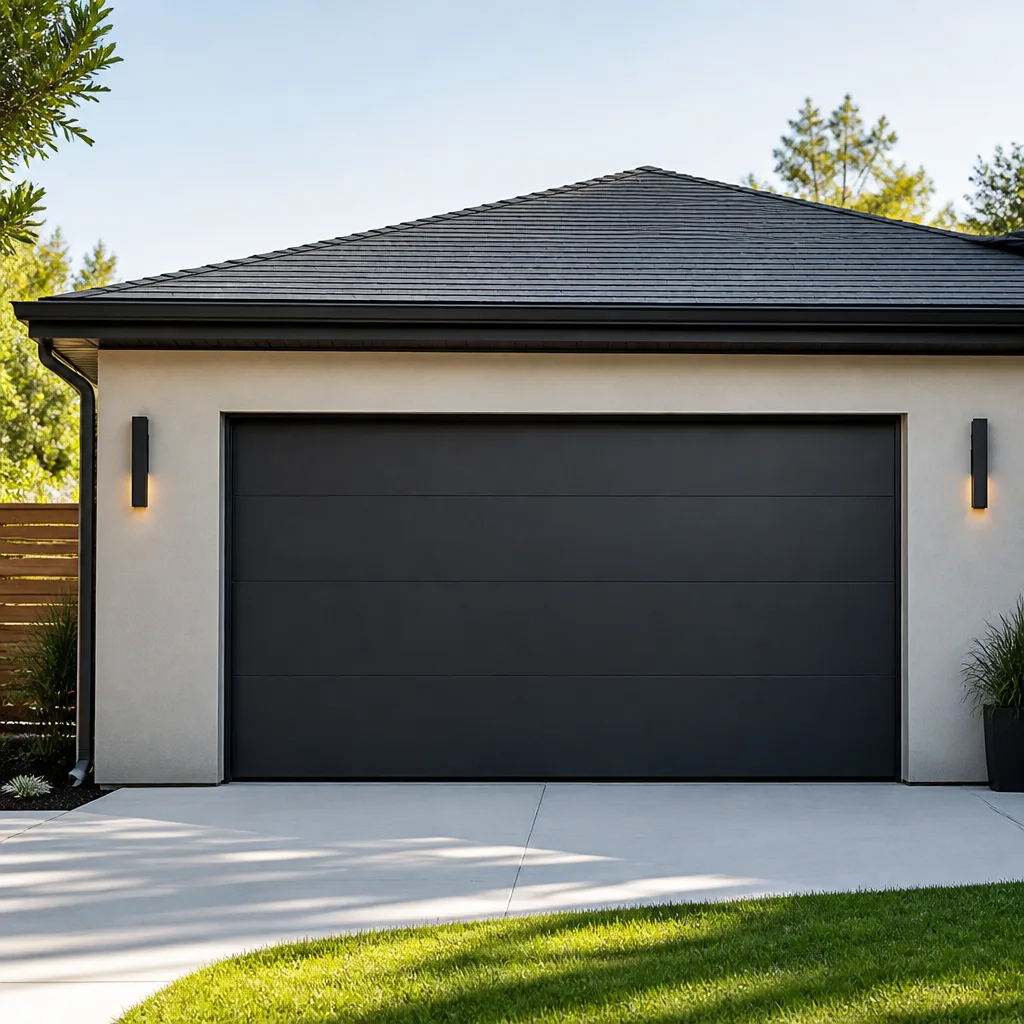 Modern flush
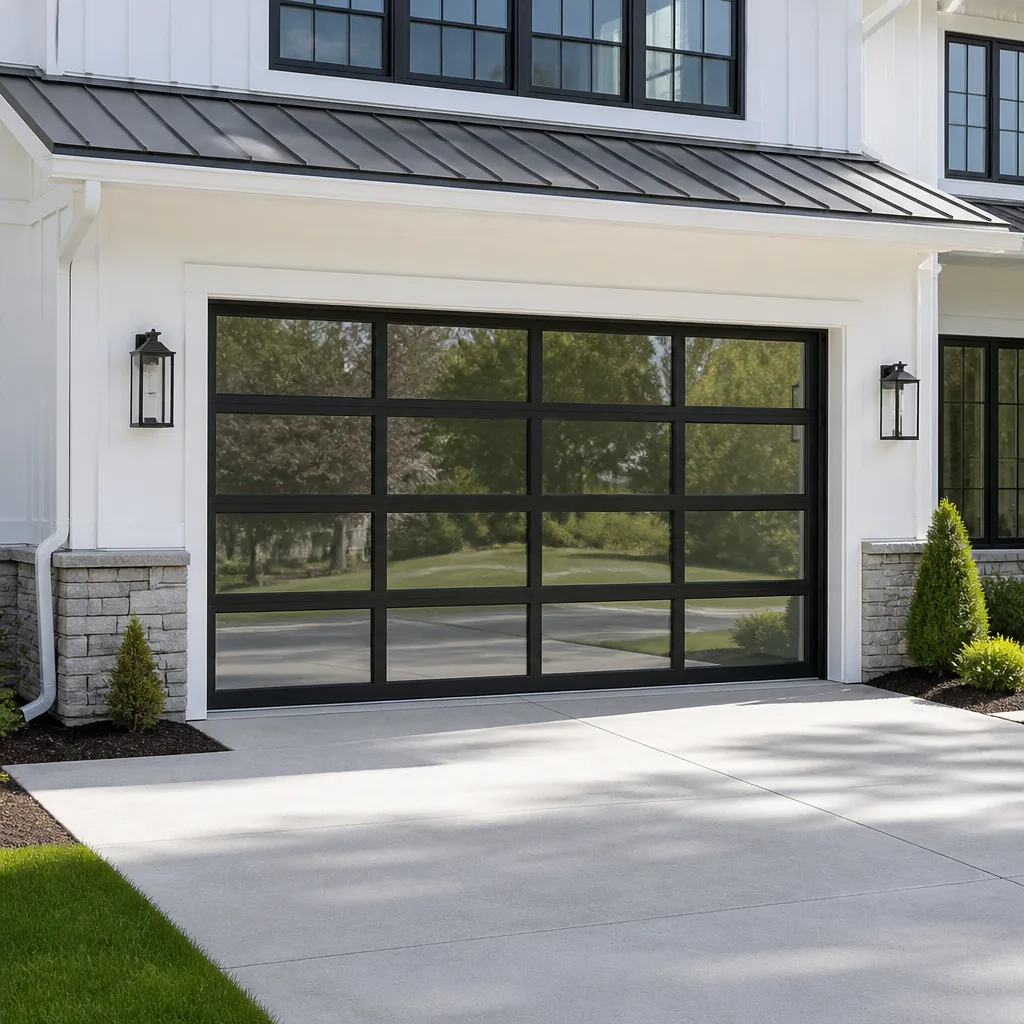 Full-view glass
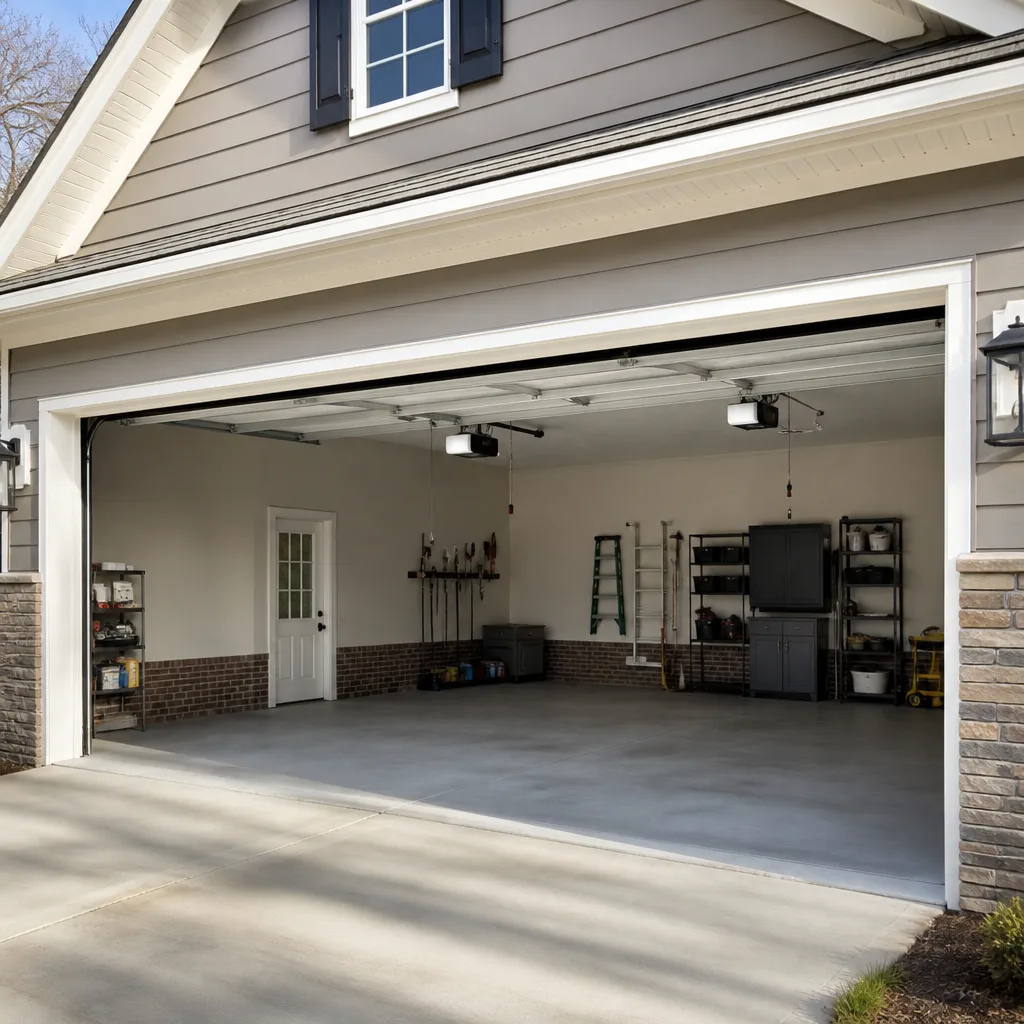 LiftMaster openers
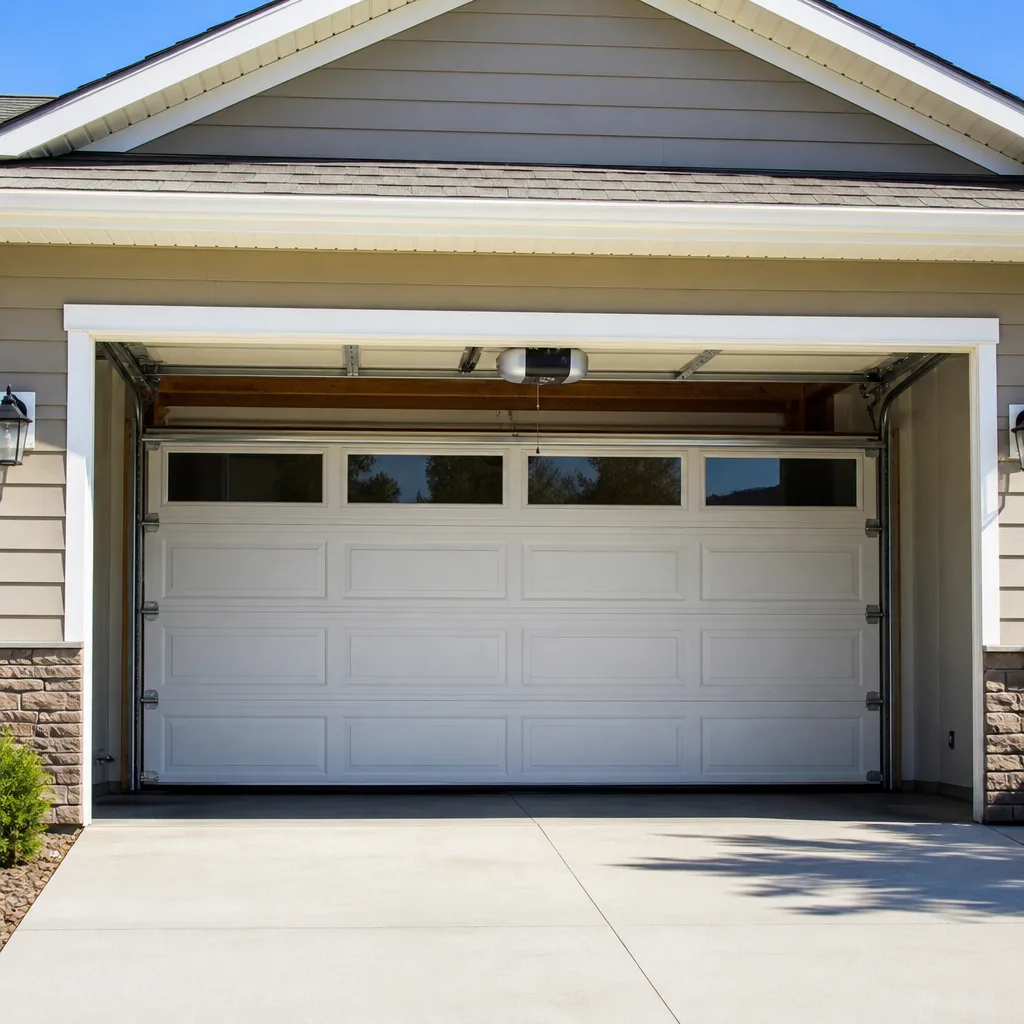 Chamberlain openers
Full 25-point door and opener safety check with every visit - springs, cables, rollers, tracks, and your LiftMaster or Chamberlain opener included
You get a price before we start. It does not change when the truck arrives.
Get your free estimateGarage Door Permits, Codes & Inspections in Highland, CA: What You Need to Know
Most homeowners in Highland assume a garage door swap is a simple like-for-like project that needs no paperwork. The reality in San Bernardino County is more nuanced: a spring replacement or opener swap usually falls outside the permit process, but a full door replacement often triggers building permit requirements, especially when the garage is attached to the home. Miss that distinction and you’re not just risking a code enforcement notice. An unpermitted garage door can surface on a home sale disclosure and complicate escrow years after the work is done. This guide walks through exactly when Highland homeowners need a permit, what codes apply, what an inspector actually looks for, and how to handle retroactive permitting without unnecessary stress.
Quick Answer
In Highland, CA, garage door work generally requires a permit when the door assembly itself is replaced or when structural elements like the header or framing are altered. A spring replacement, panel repair, or opener swap is typically classified as maintenance or like-for-like repair and does not require a permit. Because Highland falls under San Bernardino County jurisdiction with additional local and HOA layers, the safest first step is a quick call to the city building department or a contractor who knows the local process.
Styles & brands we work with
- Raised-panel steel
- Carriage house
- Modern flush
- Full-view glass
- LiftMaster openers
- Chamberlain openers
Table of Contents
- When Does a Garage Door Need a Permit in Highland?
- San Bernardino County Rules vs. Highland Local Requirements
- California Title 24 Energy Compliance for Garage Doors
- HOA Approval Layers in Highland Subdivisions
- How to Retroactively Permit an Unpermitted Garage Door
- What the Inspector Actually Checks
- Common Mistakes to Avoid
- Frequently Asked Questions
When Does a Garage Door Need a Permit in Highland?
The permit question hinges on a simple distinction that most Highland homeowners do not learn until a project is already underway. In San Bernardino County, replacing a worn spring, swapping a bent track, or installing a new opener on existing hardware is treated as routine maintenance. Those jobs do not trigger a permit. Replacing the entire door assembly, however, is where the line gets crossed, particularly if the opening dimensions change, the header is modified, or the door’s weight rating differs from the original installation.
Here is how the practical breakdown works for most residential jobs in Highland:
- Spring replacement: No permit required. This is a maintenance repair, not a structural change.
- Cable or roller replacement: No permit required.
- Garage door opener repair or replacement on existing wiring: No permit required for the mechanical swap, though a new dedicated circuit may trigger an electrical permit depending on scope.
- Full door replacement with same-size opening: Often requires a permit in San Bernardino County, especially for attached garages.
- Widening or heightening the rough opening, altering the header, or new construction: Always requires a permit and a plan review.
When we advise Highland customers, the rule of thumb is this: if the work touches the structure, the building department wants to know about it. If the work only touches the moving hardware, it is usually a same-day repair with no paperwork. When in doubt, ask. The worst time to discover a permit was needed is during escrow, not during installation.
San Bernardino County Rules vs. Highland Local Requirements
Highland is an incorporated city within San Bernardino County, which means two layers of regulation can apply. The county adopts the California Building Standards Code, which includes the California Residential Code (CRC). The City of Highland enforces those standards through its own building division. In practice, that means a homeowner deals with the City of Highland for permits, plan checks, and inspections, but the underlying code references are county and state standards.
The confusing part for many Highland residents is that San Bernardino County’s unincorporated areas follow a slightly different administrative path than incorporated Highland. A homeowner in unincorporated county territory near Highland deals directly with county building and safety. A homeowner within Highland city limits deals with the city. The permit threshold for a garage door replacement is similar in both, but the application process, fee schedule, and inspection turnaround can differ.
For most garage door repair work, Highland homeowners never interact with either agency. The work is classified as maintenance, and the only governing standard is the manufacturer’s installation instructions plus the relevant building code sections for safety. It is the replacement side of the trade where the city gets involved, and that involvement is not optional. A contractor who tells you that permits are never needed for a garage door replacement in Highland is making a claim that can cost you later.
California Title 24 Energy Compliance for Garage Doors
California’s Title 24 energy standards affect garage door replacements in a way that surprises many Highland homeowners. The requirement applies when the garage is considered conditioned space or when the garage shares a wall or ceiling with conditioned living area. In those cases, the replacement door must meet energy code provisions that affect insulation, air sealing, and weatherstripping.
Title 24 does not require a specific R-value for every garage door in every situation. The requirement depends on whether the garage is heated or cooled, whether it is attached, and how the rest of the building envelope was designed. What this means for a typical Highland home with an attached garage is that the door assembly, bottom seal, and perimeter weatherstripping become part of the energy conversation at the time of replacement.
Here is what Highland homeowners should understand about Title 24 compliance for garage doors:
- Conditioned garage: If your garage is heated or cooled, the door insulation matters for energy compliance. Your contractor should address this during the estimate.
- Attached, unconditioned garage: The main requirement is air sealing at the perimeter and bottom to prevent drafts into the home through shared walls.
- Detached garage: Title 24 applies less strictly, but the building code still requires the door to be properly secured and weathersealed.
- Documentation: A compliant replacement typically includes a door with a certain U-factor or R-value documented by the manufacturer.
For Highland homeowners replacing a door on an attached garage, the practical takeaway is to ask about energy compliance before the order is placed. A door that meets the structural requirements but misses the energy standard can fail inspection, and correcting it after installation is always more expensive than getting it right the first time.
HOA Approval Layers in Highland Subdivisions
Highland has a number of planned subdivisions with active homeowners associations, and those HOAs add a layer of approval that county and city permits do not cover. An HOA’s architectural review is about aesthetics and neighborhood standards, not safety. A door that passes a city inspection can still violate an HOA’s design guidelines, and the resulting compliance letter can be more irritating than any building department delay.
The HOA layer matters most for full door replacements. Most HOAs do not care about a spring replacement or an opener swap because the exterior appearance does not change. Change the door’s color, material, window pattern, or panel style, and the HOA may have something to say about it.
For Highland homeowners, the practical order of operations is:
- Check your HOA’s architectural guidelines before selecting a new door style or color.
- Submit the HOA application if your replacement changes the exterior appearance.
- Apply for the city permit if the replacement triggers one.
- Schedule the installation once both approvals are in hand.
We have helped Highland customers work through this sequence enough times to know that the HOA step is the one most often forgotten. A homeowner who gets the city permit but skips the HOA form may end up replacing a perfectly good door because the association will not approve the color. It is worth ten minutes of paperwork to avoid that outcome.
How to Retroactively Permit an Unpermitted Garage Door
Retroactive permitting in Highland is more common than people assume, and it is rarely as painful as homeowners fear. The process exists for exactly this situation: work was done, a permit should have been pulled, and now the homeowner needs the project legitimized before a sale, a refinance, or an insurance review.
Highland’s building division handles retroactive permits through a process that generally follows these steps:
- Contact the building division: Explain the situation honestly. Unpermitted work is common, and the staff has a process for it.
- Submit a permit application for the work: You are applying for the permit after the fact, but the paperwork is the same.
- Prepare for an inspection: The inspector will check that the installed door meets current code. If the door was installed correctly, this passes without correction.
- Correct any deficiencies: If the inspector flags something, fix it and schedule a reinspection.
- Receive the final sign-off: The retroactive permit is now part of the property record, and the unpermitted improvement is resolved.
The key point for Highland homeowners: a retroactive permit is not a punishment. It is the county’s way of verifying that an existing installation is safe. If the door was installed by a competent contractor using proper materials, the retrofit inspection is usually a formality. If the door was a DIY job with unknown hardware, the inspector may require corrections, and those corrections are generally reasonable rather than punitive.
For homeowners in Highland who discover an unpermitted door during a home sale or refinance, the fastest path is usually to bring in a contractor who knows the local inspection process. The contractor can assess the installation before the inspector arrives and fix obvious issues before the official visit, which reduces the chance of a failed inspection and a second round of fees.
What the Inspector Actually Checks
When a Highland building inspector comes out for a garage door permit, the inspection is specific and focused. The inspector is not evaluating the brand of the door or whether you chose the right color. The checklist is about safety, structural integrity, and code compliance. Knowing what is on that list takes the mystery out of the visit.
Here is what a typical garage door inspection in Highland covers:
- Structural header load: The header above the garage door opening must be sized correctly for the span and the load it carries. This matters most when the opening was modified.
- Door installation and balance: The inspector checks that the door is properly mounted, balanced, and operating smoothly through its full travel.
- Opener safety features: The auto-reverse mechanism and photo-eye sensors must function. The opener should carry its UL listing, which inspectors verify during the visit.
- Bottom seal compliance: The bottom weather seal must be installed correctly to meet the air sealing component of Title 24 where it applies.
- Fire rating of the door: On attached garages, the door between the garage and living space is a fire separation. The inspector checks the door’s rating and hardware where applicable.
- Electrical connections for the opener: Outlets, wiring, and conduit must meet the current electrical code for garage installations.
Most Highland inspections take less than thirty minutes when the work was done correctly. The inspector is looking for specific code items, not auditing the aesthetics of your garage. If you are working with a contractor who has done permitted garage door replacements in Highland before, the typical outcome is a first-pass approval and a signed permit card.
Garage Door Opener Permits and Electrical Code
Openers occupy a gray area in the permit conversation that confuses Highland homeowners. The mechanical opener swap, where the old unit comes off the ceiling and a new one bolts into the same location, is generally considered a like-for-like replacement and does not require a building permit. The electrical connection, however, can trigger requirements that depend on the existing wiring.
If the existing outlet and circuit are in good condition and the new opener uses the same electrical load, the swap is straightforward. If the new opener is a higher-amp unit, or if the existing outlet was installed without a permit years ago, or if you are adding a dedicated circuit, the electrical side may need a permit. Highland follows the California Electrical Code, and any modification to wiring, circuits, or panel connections is electrical work that the building department may want to review.
For Highland homeowners, the practical guidance is this: a standard garage door opener repair or replacement on existing wiring rarely needs a permit. The moment the job involves new electrical work, new circuits, or the panel, ask a licensed contractor or the city whether an electrical permit is required. It is a five-minute phone call that avoids an unpermitted electrical installation on your property record.
See the difference
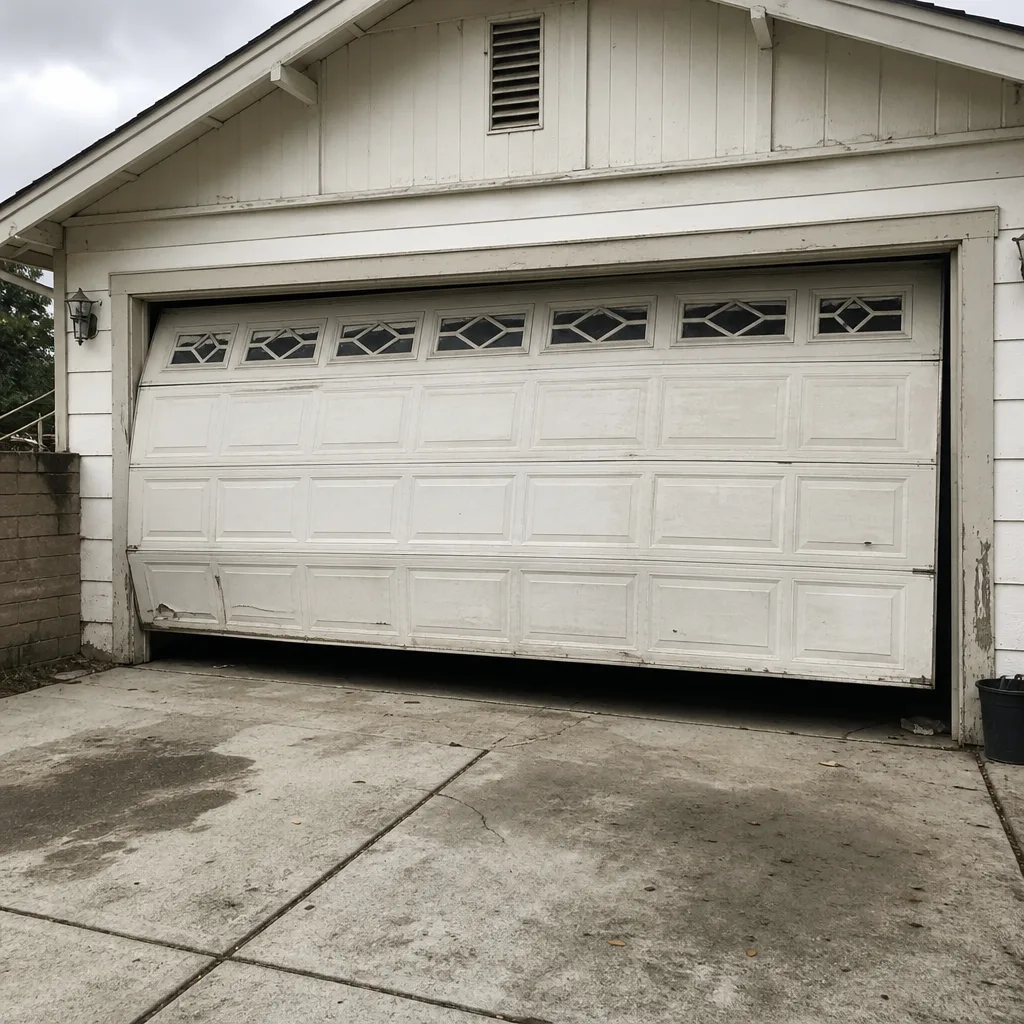 Before
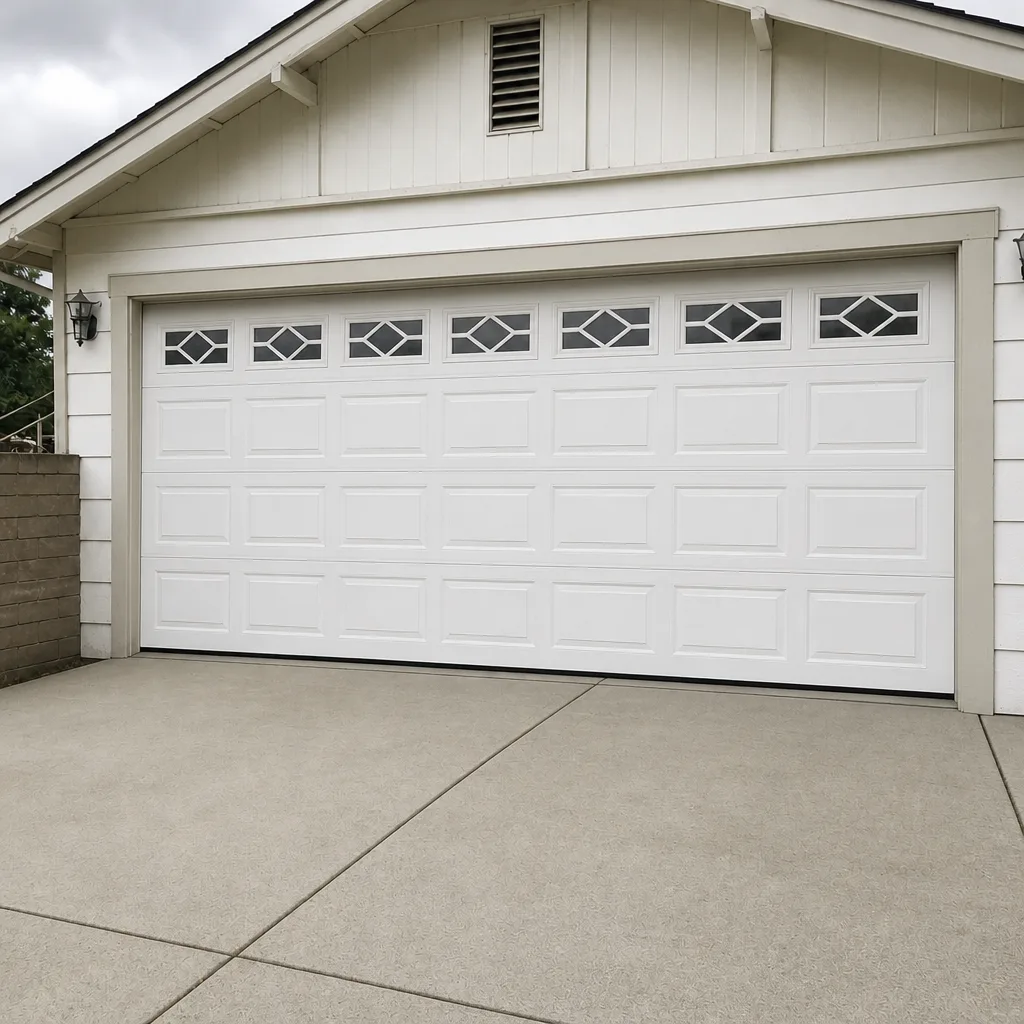 After
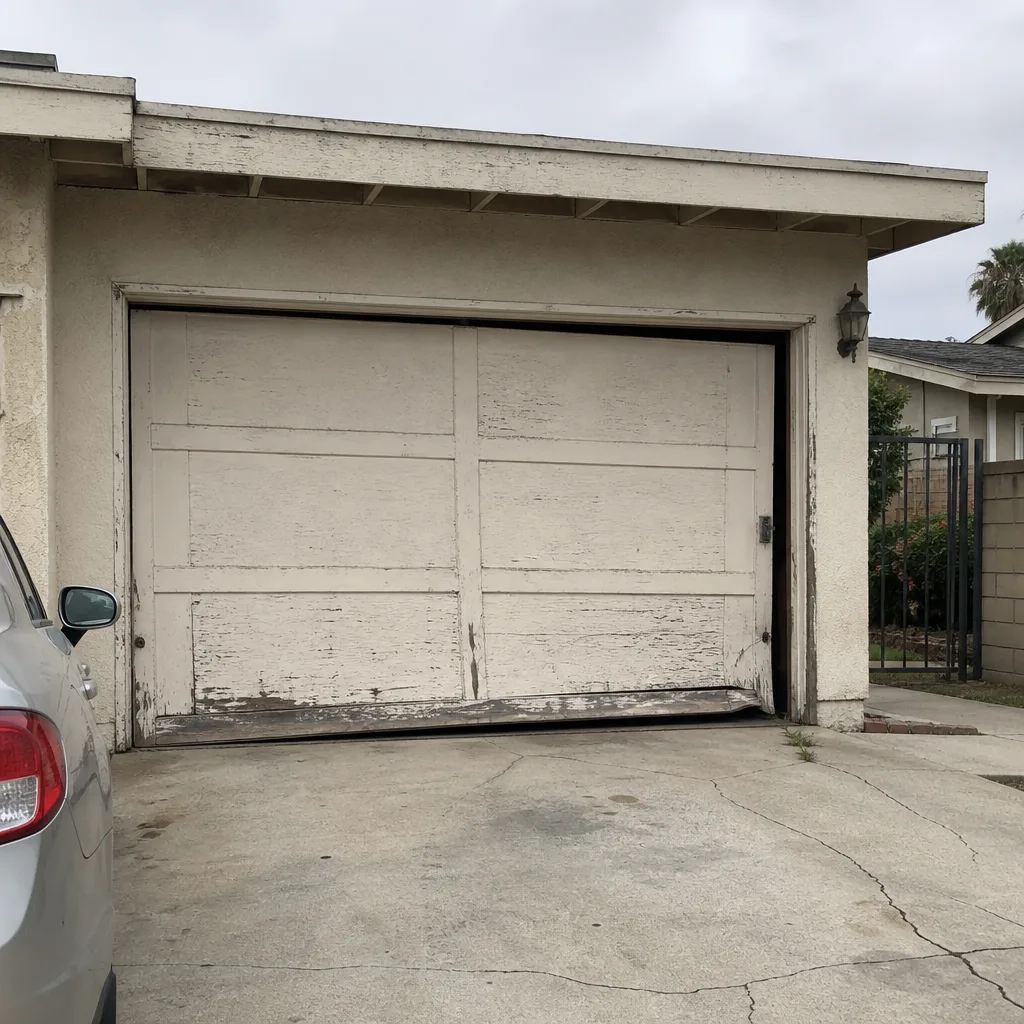 Before
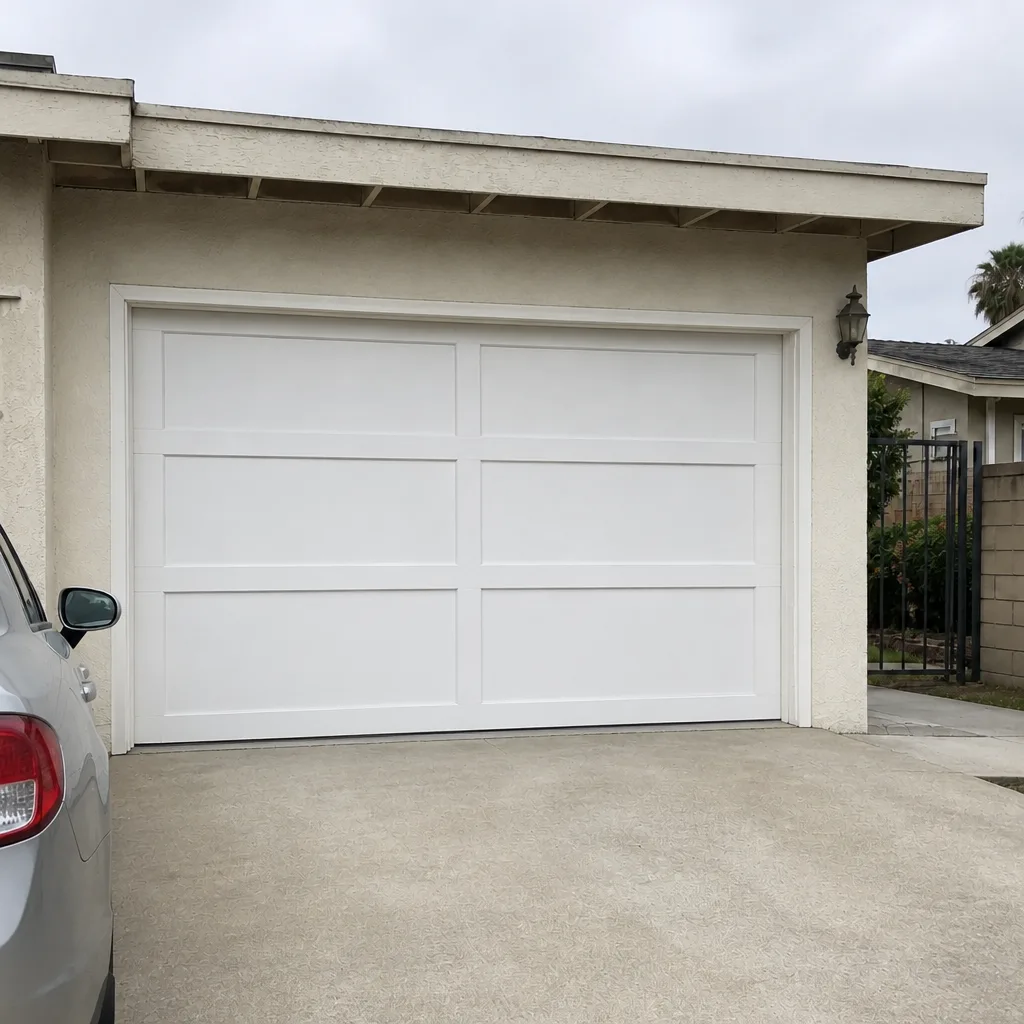 After
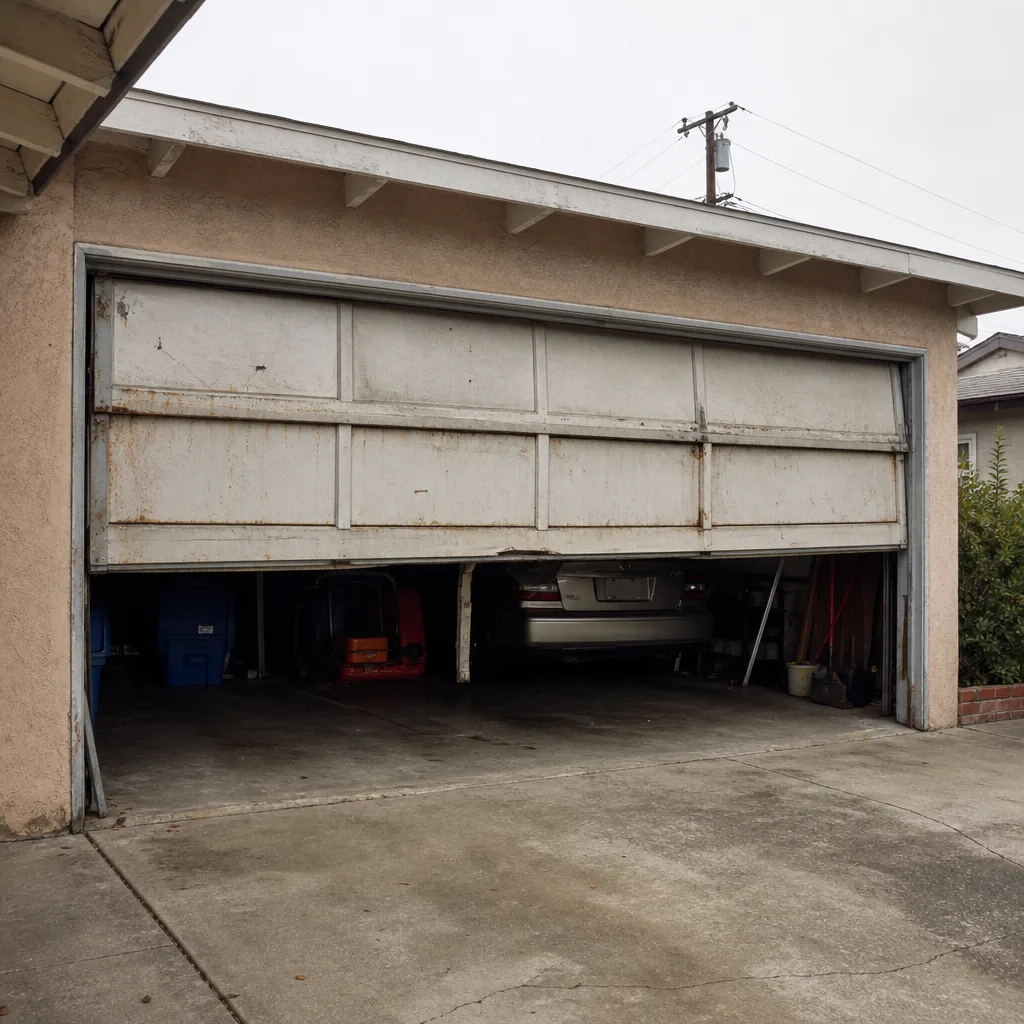 Before
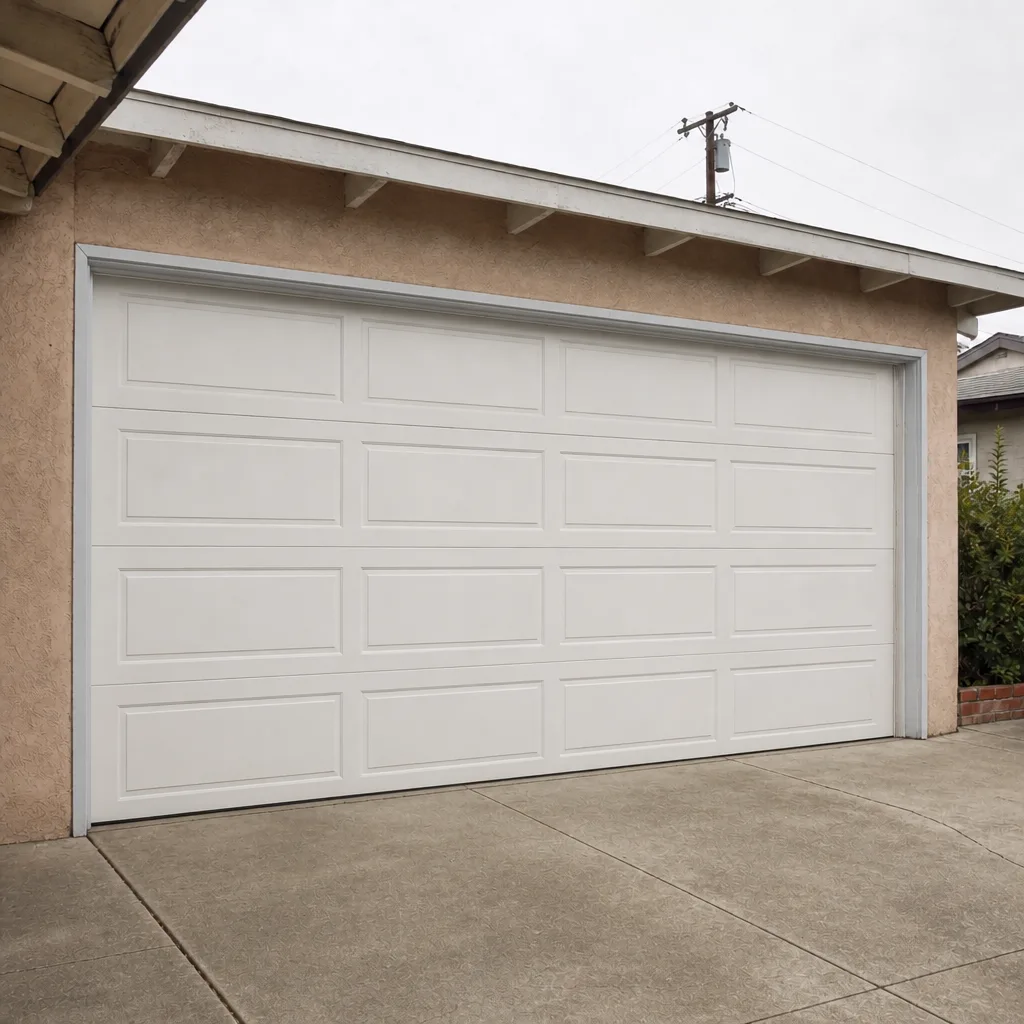 After
Why Unpermitted Garage Door Work Becomes a Title Problem
The reason permits matter for garage doors has less to do with fines and more to do with what happens when you sell. In California, sellers complete a transfer disclosure statement that asks about improvements made to the property. An unpermitted garage door replacement can be interpreted as an unpermitted improvement, and if the buyer or their agent discovers it, escrow can stall while the issue is resolved.
This is not hypothetical. A garage door is one of the more visible components of a home’s exterior. A buyer’s inspector may check county permit records during due diligence. If a door replacement shows up in listing photos but no permit exists in the county record, the discrepancy can raise questions. The seller then faces a choice: complete a retroactive permit before closing, or offer a credit so the buyer can handle it. Either path costs money and time that a pre-installation permit would have avoided.
Highland homeowners who plan to stay in their homes for years often dismiss this concern. The reality is that lives change, job transfers happen, and homes get sold. A few hundred dollars in permit fees at the time of installation is far cheaper than resolving a title issue under a closing deadline.
Common Mistakes to Avoid
- Assuming all garage door work is permit-exempt. Repairs are usually exempt, but a full door replacement on an attached garage in Highland often requires a permit. Confirm before the work starts.
- Changing the door style without checking the HOA. A new color or window pattern that violates architectural guidelines can force a second door replacement on your own dime.
- Ignoring Title 24 on attached garage replacements. The energy code applies to the door assembly and weathersealing, not just to windows and HVAC. A non-compliant door can fail inspection.
- Skipping the permit to save a few hundred dollars. The permit fee is small compared to the retroactive permit cost, reinspection fees, and potential title complications years later.
- Not asking the contractor about permits before signing. A contractor who waves off the permit question is not doing you a favor. Get the permit answer in writing before work begins.
- Assuming a retrofit permit is a penalty. Highland’s building division handles retroactive permits routinely. The process is administrative, not punitive, especially when the installation is sound.
- Treating the opener electrical swap as automatically exempt. The mechanical swap is usually exempt, but new wiring, circuits, or panel work can require an electrical permit.
When to Call a Professional
If your garage door project involves a full replacement on an attached garage, a modified opening, or any work that touches the header or framing, a professional who knows the Highland permit process is worth the call. The same applies when an unpermitted door surfaces during a sale and you need a retrofit inspection completed quickly. If you are uncertain whether your project needs a permit, or if the HOA and city processes are starting to feel like a second job, a contractor who handles permits as part of the installation removes the guesswork. Prestige Garage Door Repair offers free estimates in Highland. Call (833) 593-5123 and we will walk through your specific project before any work begins.
Frequently Asked Questions
In most cases, yes: a full garage door replacement on an attached garage in Highland triggers a building permit through the city. The threshold is whether the door assembly itself is being swapped, not whether the opening size changes. A spring replacement or opener swap on existing hardware is considered maintenance and does not need a permit. Call (833) 593-5123 and we can help you determine the right path for your project.
Permit fees in Highland are set by the city’s building division and depend on the valuation of the work, not a flat rate we can quote without the project details. The application and inspection fees together are generally modest compared to the door itself, and the written estimate from your contractor should identify who handles the permit paperwork and fees. When you get an estimate from us, the permit question is addressed up front.
The buyer’s inspection may flag the unpermitted door against county records, and you will likely need to complete a retroactive permit before closing or negotiate a credit so the buyer can handle it. Highland’s building division has a process for retroactive permits, and the inspection usually passes if the door was installed correctly. Starting the retroactive permit process as soon as you know about the issue gives you the most leverage in escrow.
Replacing an opener on existing wiring is generally treated as a like-for-like repair and does not require a building permit in Highland. The exception is when the job involves new electrical work, new circuits, or panel modifications, which can trigger an electrical permit. A dedicated garage door opener repair technician can tell you whether your specific opener swap crosses that line.
The inspector checks structural integrity and safety, not aesthetics. Expect a review of the header load, door balance and mounting, opener safety features including the auto-reverse and photo eyes, the bottom seal for energy compliance, and the electrical connection for the opener. Most inspections take less than half an hour when the work was done correctly.
The price you agree to in your written estimate is the price for the work described in that estimate. If the inspector identifies a code correction that was not part of the original scope, that correction is quoted separately before any additional work is done. That is why we set the price by written estimate before work begins, not after an inspection. Call (833) 593-5123 for a free estimate and we will explain exactly what is included.
The Bottom Line
Highland’s permit rules for garage door work are simple once you understand the line between maintenance and replacement. Spring repairs, opener swaps, and panel work are typically done without a permit. Full door replacements on attached garages often require one, and the energy code, HOA rules, and inspection process all travel with that permit. Getting the paperwork right at the start costs a little time and a modest fee. Getting it wrong can complicate a future sale and force a retrofit permit under a deadline. When in doubt, ask before the work begins.
Prestige Garage Door Repair has served Highland homeowners since 2014. We work on the brand you already own and we are familiar with what Highland’s building department expects on the permit path, from Clopay doors to LiftMaster and Chamberlain openers. Call (833) 593-5123 for a free estimate. We answer 24/7. Fast dispatch from 7am to 7pm, Sunday through Friday.
Written by the team at Prestige Garage Door Repair, serving Highland since 2014.